
 Subscribe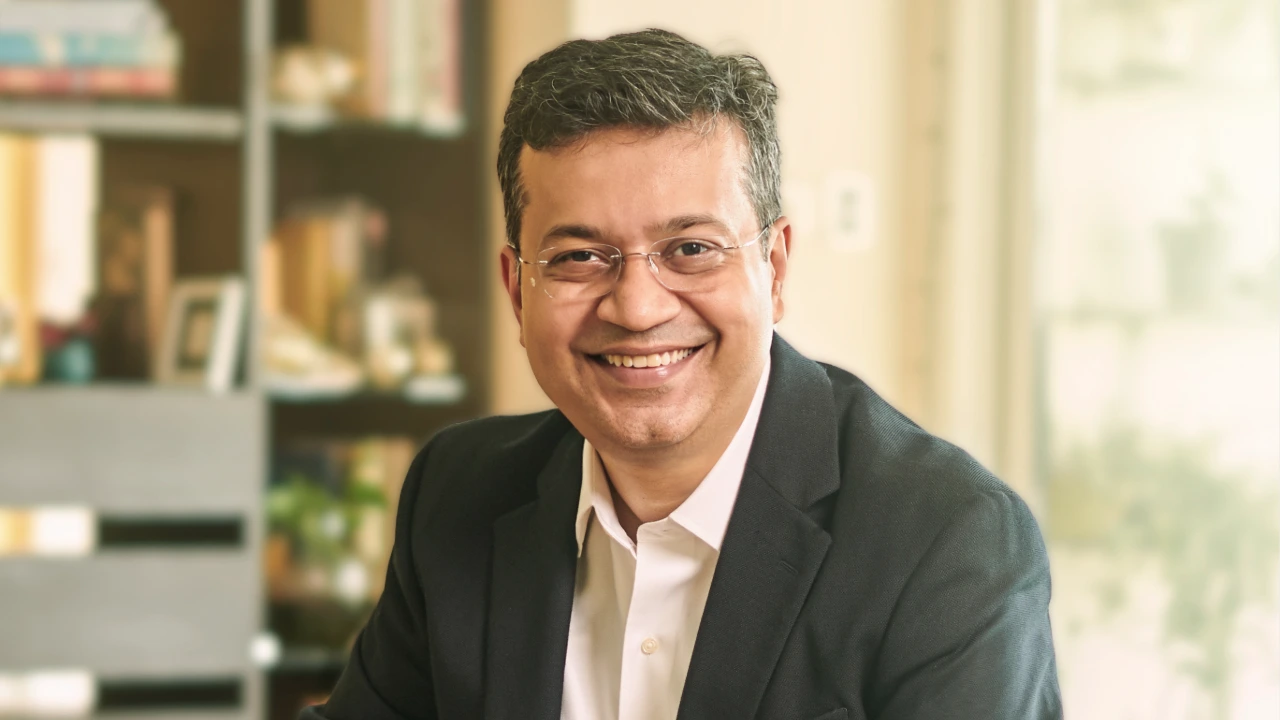
 Gaurav Banerjee
Sony Pictures Networks India (SPNI) is stepping up its push to build a content-first, platform-agnostic entertainment business, with its slate spanning television, digital, regional markets and live sports.
The strategy, outlined by Gaurav Banerjee, managing director and CEO, Sony Pictures Networks India, at a media roundtable in Mumbai on 10 August, comes as the network looks to bring its television and streaming businesses closer together and build a wider content ecosystem.
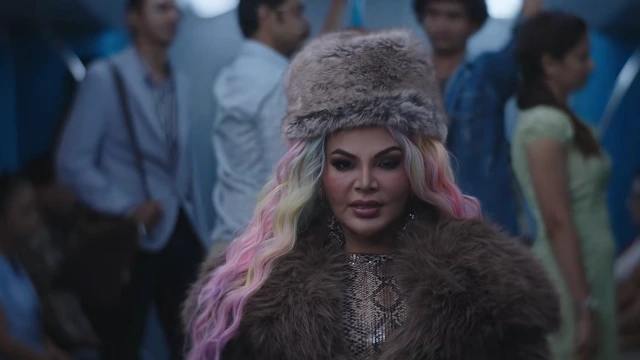
The network has also rolled out a promo to spotlight its new content slate.
“We see ourselves as more of a content-creating ecosystem,” Banerjee said, outlining the network’s focus on building the best stories and distributing them across platforms.
The festive slate brings together established franchises, new formats, regional adaptations, digital originals and a packed sports calendar.
Furthermore, SonyLIV is also positioning itself as the digital home of SPNI’s entertainment and sports portfolio under its new brand positioning, ‘It All LIVs Here’.
KBC gets an AI-era rethink
One of the clearest examples of SPNI’s evolving content strategy is Kaun Banega Crorepati Season 18, which premiered on Sony Entertainment Television and SonyLIV on the same day the roundtable was conducted.
The new season returns with the campaign thought ‘Sochna Padega’, but the network said the format is also being approached differently in response to the rise of AI.
During the discussion, Banerjee shared that when answers to questions are readily available through smartphones and AI tools, the value of a knowledge show cannot simply be about getting the right answer.
The focus, therefore, is shifting towards reasoning and how contestants apply what they know when placed under pressure.
Google Gemini is also among the partners associated with the new season, with the technology integrated into how the show is presented.
More about KBC and its brand integrations and advertising interest here.
SPNI refreshes Crime Patrol and Rohit Sharma makes entertainment debut
The network is bringing cricket into its entertainment portfolio, with cricketer Rohit Sharma set to make his entertainment debut with his show in September.
Meanwhile, actor Ajay Devgn will host Crime Patrol 2026, with SPNI looking to refresh the long-running crime franchise at a time when the nature and depiction of crime have evolved.
The slate also includes Indian Game Show, hosted by comedian and actor Bharti Singh and screenwriter Haarsh Limbachiyaa, which will bring celebrities together through a series of obstacle and gaming challenges.
Regional expansion becomes a bigger bet
Multilingual expansion is another major part of the strategy.
The network will launch Kon Honar Crorepati in Marathi, hosted by actor Madhuri Dixit, while SonyLIV will present MasterChef Tamil, featuring actor Samantha Ruth Prabhu.
It will also launch Tamil Idol, the first Tamil adaptation of the global singing competition format, with A R Rahman leading the search for singing talent in Tamil Nadu.
SPNI is also looking at expanding its programming footprint beyond the markets where it has traditionally been strongest. Banerjee said the network wants to program for a wider share of India, with further language markets being considered.
On KBC specifically, Banerjee said the Marathi version is already underway, while Tamil is expected to begin in October, with Bengali and Telugu also being considered over the next 12 months.
Rather than simply replicating the Hindi format, SPNI wants its regional versions to develop distinct identities suited to their respective cultures.
SonyLIV becomes part of the content engine
Digital is central to the ecosystem strategy, with SonyLIV bringing together originals, exclusive premieres and content from across SPNI’s portfolio.
A new season of Scam, titled Scam 2010, has begun production. The SonyLIV, Birla Studios and Applause Entertainment series is directed by filmmaker Hansal Mehta and chronicles the rise and fall of a major financial empire.
Banerjee said the organisational changes made across SPNI were designed in part to bring television and digital closer together.
He said the earlier structure reflected a period when television was the core business, and digital was a smaller start-up. With digital now a significant part of the business and a potential driver of future growth, SPNI wanted its content creation and monetisation functions to work more cohesively across platforms.
The network is now looking at content through a broader lens, with opportunities to monetise IP through both advertising and subscriptions.
Banerjee said the company is seeing strong growth in its digital subscription business, particularly its direct-to-consumer subscription offering.
SPNI sees Gen Z beyond digital-only content
The network is also targeting younger audiences through a combination of genres and properties rather than relying exclusively on digital-native programming.
Banerjee pointed to Sony SAB’s disproportionate reach among younger audiences through comedy programming, as well as the network’s anime content, as strategically important areas.
Live sports, particularly cricket, are another major youth audience driver.
The challenge, he noted, is that younger viewers are discerning and difficult to win over, making innovation critical to creating content that can cut through.
The approach reflects a broader shift in how SPNI is thinking about Gen Z: rather than assuming younger audiences belong exclusively to digital platforms, the network is looking to reach them through comedy, anime, entertainment and sport across screens.
Sports remains a growth engine, but rights must make business sense
Live sports will provide another major engine for the network’s audience strategy.
Sony Sports Network’s ‘Festival of Sports’ will run from 15 August to 1 December, featuring the India tour of Sri Lanka, Women’s T20 Asia Cup, Asian Games and India’s all-format tour of New Zealand.
Banerjee said sports remains 'very much front and centre' of SPNI’s efforts, describing the portfolio as an important pillar of growth with strong engagement and fandom.
However, the network is also taking a more measured approach to rights acquisitions.
Responding to questions around football and the company’s decision not to acquire the FIFA rights, Banerjee said sports rights can be an easy way to generate attention but are not necessarily a good long-term business if the economics do not work.
The same principle, he said, applies to movie acquisitions. SPNI wants to be particularly protective of its own IP while evaluating third-party rights through the lens of whether they make sense as a business.
From spot buys to deeper brand integrations
The changing nature of advertising is another important part of SPNI’s strategy.
Banerjee said the network is open to advertisers looking beyond conventional spot buying and developing integrations across its entertainment properties, including reality shows and regional programming.
The opportunity, he said, is to build brand integrations into the core of a show in a way that creates deeper engagement rather than simply placing advertising around it.
That becomes particularly relevant as advertisers increasingly look beyond traditional ROI and seek ways to make audiences engage more meaningfully with brands.
At the same time, SPNI is seeing some of its marquee properties remain resilient despite broader pressure on advertising spends.
Banerjee pointed to KBC as a franchise that has benefited from advertisers seeking established, proven properties during uncertain market conditions.
The content business is now a fight for attention
Perhaps the clearest articulation of SPNI’s strategy came when Banerjee described the company’s competition not simply in terms of other broadcasters or streaming platforms, but as a fight for audience attention.
The rise of creators on YouTube and Instagram, he argued, has lowered the barriers to entry for entertainment. Creators can now develop shows independently, build audiences and attract the attention of established media companies.
He cited the example of a creator whose independently produced show gained traction on YouTube before being noticed and brought into the Sony ecosystem.
Banerjee said SPNI wants to be more open to such creator partnerships, arguing that the broader creator economy has made the content business more democratic.
For SPNI, the priority is therefore to increase its “share of attention” by getting content selection, execution and marketing right, rather than focusing primarily on what competitors are doing.
The profitability question
The ecosystem strategy also addresses one of the biggest questions facing traditional broadcasters and streaming businesses: how to maintain sustainable economics as television advertising comes under pressure and OTT businesses continue to chase profitability.
Banerjee voiced that SPNI does not see a fundamental problem with its model because the same high-quality content can be monetised across multiple screens.
The network is willing to spend more on marquee properties to make them bigger and better, but expects those investments to generate value through television, streaming, advertising and subscriptions.
The model, he argued, is to become a place where high-quality content is curated and then monetised across screens, with the right mix of advertising and subscription revenue supporting margins.
That approach also explains the closer integration of SPNI’s television and digital businesses. Rather than treating TV and streaming as competing units, the network increasingly wants to view content, advertising and subscriptions through a single consumer and monetisation lens.
The advertising test
As audiences move between television, streaming, social platforms and other digital environments, some advertisers are putting greater emphasis on digital-only campaigns. SPNI’s answer is to create content that can travel across platforms and offer brands access to audiences through television, SonyLIV and live sports.
The question to ask here is whether advertisers see enough incremental value in buying across that ecosystem rather than shifting more of their budgets directly into digital.
For SPNI, the next phase is therefore not simply about producing more content. It is about building IP that can generate attention, travel across screens, attract advertisers and subscribers, and ultimately deliver sustainable returns.