
 Subscribe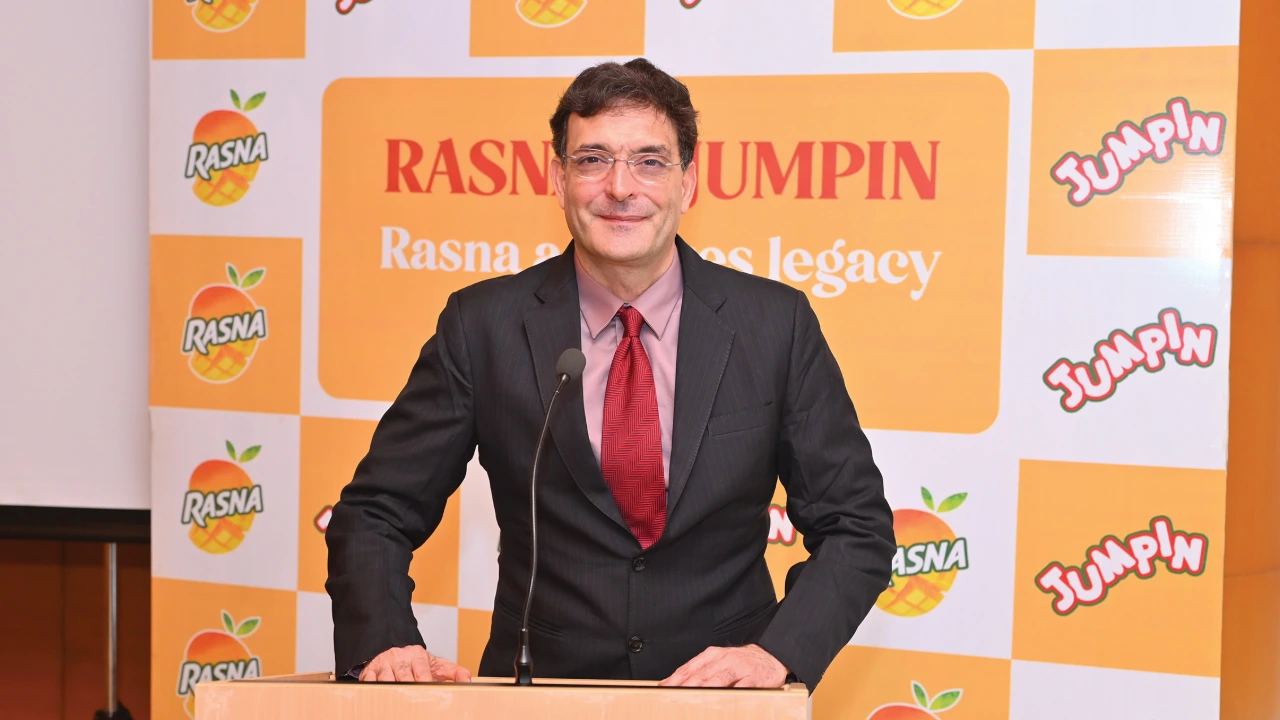
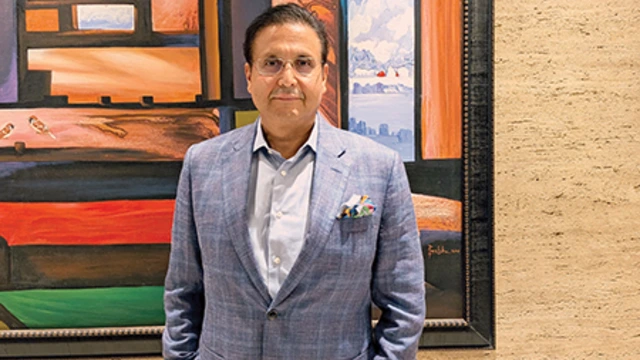
 Piruz Khambatta
Rasna has been a familiar name in Indian households for decades, but the beverage category is changing rapidly, driven by digital media, evolving consumer preferences and the growing focus on health.
We caught up with Piruz Khambatta, chairperson, Rasna Group, to understand how the brand is navigating these shifts, its plans for Jumpin and the changing role of digital and quick commerce in its marketing strategy.
According to Khambatta, consumer trends are moving faster than ever. “Nowadays, thanks to e-commerce and social media, changes are happening every six months,” he says, pointing to the growing interest in health and food-related content. This has also prompted Rasna to expand its low-sugar portfolio, including its revamped Jumpin offering with half the sugar.
The acquisition of Jumpin from Hershey’s India in 2025 was driven by Rasna’s ambition to enter the ready-to-drink (RTD) category. However, the segment brings a very different set of operational challenges, as per Khambatta. “The challenge is not with the consumer, but with logistics. Ready-to-Drink (RTD) is a different baby from powder and concentrates. For the latter, the freight cost is very low, and the shelf life is very high. Jumpin is a product with a very high logistics cost. In fact, across certain parts of India, the cost of transportation is more than the raw material cost. Ultimately, there are more logistics challenges in the RTD business, which we are learning."
On expanding into health-led offerings without making the brand feel too functional or clinical, Khambatta observed that the answer lies in segmentation.“India is currently divided into many classes and segments. Earlier, there was a single general ad that ran across all platforms. That was the communication we put on TV in shows like Mahabharata and Balika Vadhu. Now we are trying to work out different communication for different sets of audiences," he noted.
With media increasingly fragmented, Khambatta mentioned that storytelling now changes every week on social media versus a year or two on TV, but the biggest traction is coming from quick commerce. "What is working even more brilliantly than anything else we are talking about, is quick commerce. On platforms such as Blinkit and BigBasket, we can run videos that appear when consumers search for a category. For example, if you type ‘juice’, you may see either a static or video ad as a sponsored result in the first two or three positions. This is an area where we have seen a lot of traction, with consumers actually switching to our brand," he said.
This article appears in the September issue of Manifest. To read the whole conversation, purchase the issue by clicking here.