
 Subscribe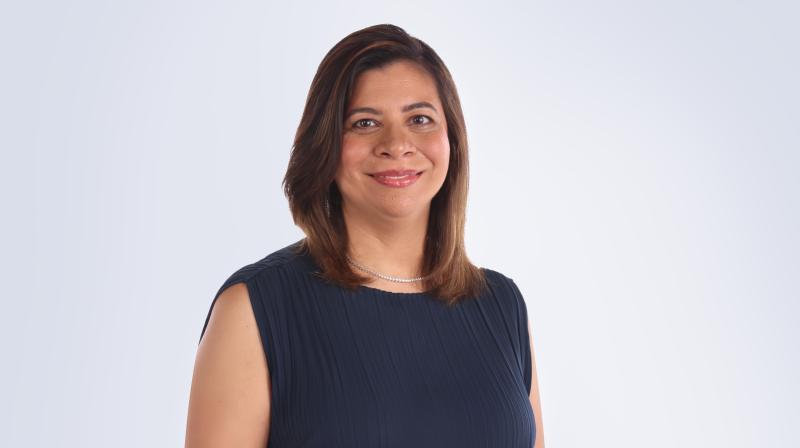
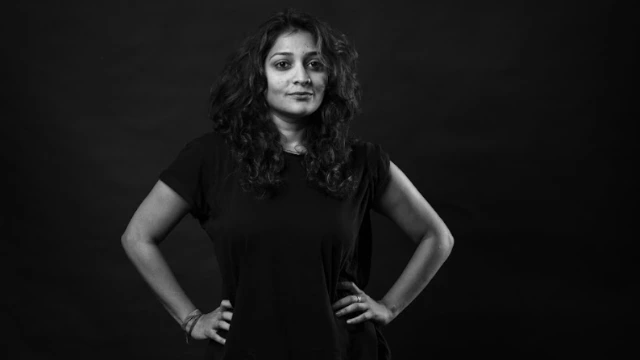
 Toranj Mehta
In a country where cricket commands devotion and diamonds symbolise aspiration, De Beers India is betting that the two can shape culture together.
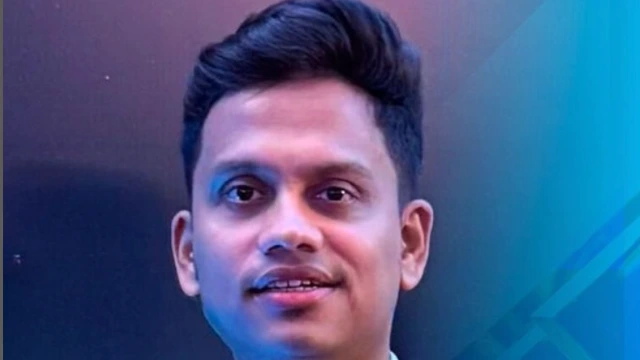
Toranj Mehta, who stepped into the role of country head, category marketing, De Beers India in April 2026 after spending over a decade with the group, most recently as vice president - marketing, has a clear focus: reposition natural diamonds from occasional luxury purchases to emotionally resonant symbols of identity, resilience and self-expression for a new generation of Indian consumers.
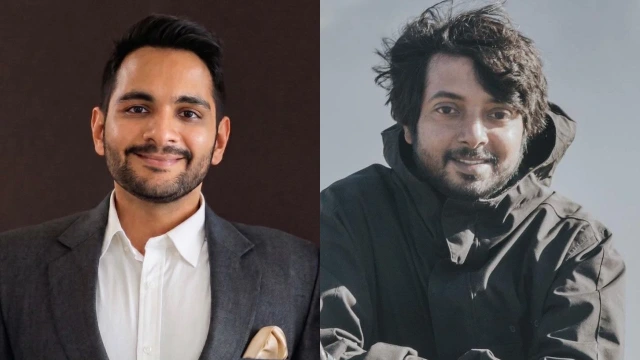
The brand has also partnered with the IPL and cricketers Suryakumar Yadav and Abhishek Sharma, which, according to Mehta, is delivering unprecedented reach and positive sentiment that no other platform can match.
As Gen Z consumers increasingly gravitate towards everyday jewellery and personal storytelling, De Beers is balancing its global legacy of rarity and craftsmanship with India’s rapidly evolving cultural codes.
In conversation with Manifest, Mehta discusses why cricketers are becoming luxury trendsetters, how De Beers is differentiating natural diamonds from lab-grown alternatives, and why India remains one of the biggest growth opportunities for the category.
Edited excerpts:
Sports marketing and luxury don’t traditionally go hand in hand. For De Beers, what does success in a property like the IPL actually look like?
Last year, we collaborated with JioHotstar during the IPL, where we accessorised female anchors across programming. We realised there was a lot of traction around it. It helped build awareness for natural diamonds, strengthened visibility for De Beers Group as a brand, and generated organic chatter around the accessorisation itself.
As a company, we believe in long-term partnerships rather than one-offs.
The IPL gave us the kind of reach and positive sentiment no other TV property could deliver. It also opened up an entirely new audience segment for us. That’s why we decided to continue and renew the association. We hope to renew this partnership every IPL cycle.
How have your partnerships with Abhishek Sharma and Suryakumar Yadav evolved, and what made them the right fit to represent De Beers?
We realised men are elevating how they style themselves beyond the basic ‘pant-shirt’ look. When we saw Sharma already sporting a diamond stud and layered necklines, we recognised that cricketers today are trendsetters for men. They are deeply followed and influential, so everything they do gets noticed.
Sharma understands fashion and luxury and carries it naturally, which makes him a perfect fit for natural diamonds.
With Yadav, we saw strong parallels between his journey and the story of natural diamonds. He has worked extremely hard to reach where he is and carries immense pressure and resilience as a leader. Similarly, natural diamonds take billions of years to form. We felt he personified what a natural diamond stands for, which made the partnership feel authentic.
Are there other sports or live-event spaces you’re exploring beyond the IPL?
We also work with art fairs because we believe diamonds are nature’s art.
Their rarity and brilliance create a natural connection with art and craftsmanship.
We’ve participated in Frieze Masters in London and India Art Fair in Delhi, and this is a space we want to explore further.
Which media channels are working best for De Beers right now?
For any brand to remain relevant, visibility across multiple channels is important. The more touchpoints a brand has, the higher the awareness and consideration.
So for us, it’s never about choosing between traditional and digital media. It’s about finding the right balance. We use a mix of traditional, digital, online and social media because being too selective risks excluding entire audience segments.
How do you communicate the value of natural diamonds amid growing conversations around lab-grown diamonds?
Everyone today is curious about synthetic and natural diamonds, and that curiosity is healthy. But consumers need to understand they are fundamentally different products.
Natural diamonds come from the earth, while lab-grown diamonds are manufactured. Recovery of natural diamonds has been reducing year-on-year, and no new mine has been discovered in the last 20 years. That makes them incredibly rare.
Lab-grown diamonds function more like a technological product. The more they are produced, the lower their prices become. In fact, prices have dropped by nearly 90% over the last three years. Natural diamonds, meanwhile, have steadily appreciated over time and continue to store value.
There’s also the sustainability conversation. Creating lab-grown diamonds requires enormous heat and pressure, which consumes huge amounts of electricity. Unless renewable energy is being used, they cannot automatically be called sustainable.
Natural diamonds are 99.9% conflict-free and ethically sourced. Mining also creates long-term economic ecosystems. When a mine is established in places like Botswana or South Africa, it leads to the development of housing, schools, hospitals and infrastructure around it. Entire communities grow because of that ecosystem.
So consumers need to understand the complete picture before making a choice.
How are you scaling retail while also bringing in personalisation and experience-led shopping?
Forevermark is De Beers Group’s retail brand, and we function as a fully integrated jewellery brand with complete supply visibility for every diamond. All Forevermark diamonds are responsibly sourced and conflict-free.
We currently retail across stores in Delhi and other cities, and we plan to add another 20 stores by the end of this year.
In terms of personalisation, we’ve introduced services like old gold exchange programmes so consumers can convert existing value into diamond purchases. We also have a special moments plan that allows customers to spread payments across several months, with us contributing the 11th month.
We also offer bespoke orders above a certain price point. Indian consumers are used to a very service-oriented jewellery experience, so while we are a global brand, we also want to stay culturally relevant to how India shops for jewellery.
What are you learning about younger consumers and their purchasing behaviour?
Younger consumers are looking for more playful, everyday jewellery that reflects their personality and style.
Our ‘second piercing’ campaign emerged directly from conversations with younger consumers who wanted to experiment more with self-expression. Similarly, our ‘bestie bracelets’ campaign came from observing strong friendships between women and turning that into a jewellery narrative.
Then there’s our manifestation-themed campaign around 'Intention Pendants'. Diamonds are formed over billions of years and are connected to stardust, which creates an emotional and cosmic narrative around them. Gen Z consumers are deeply interested in manifestation, visualisation and self-expression. So we’re building campaigns around these modern rituals and behaviours rather than only traditional milestone moments.
What are De Beers’ growth priorities for India over the next few years?
Our biggest objective is to increase penetration for natural diamonds in India. Today, out of 100 Indian women who can afford diamonds, only 15 are buying them. In the US, that number is around 70, so India still has tremendous headroom for growth.
The second priority is expanding physical availability. Out of nearly half a million jewellery stores in India, only around 50,000 retail diamond jewellery.
That’s why we launched the Indian Natural Diamond Retailer Alliance (INDRA) in partnership with Gem & Jewellery Export Promotion Council (GJEPC). Through this ecosystem, jewellers can learn about the diamond business and receive both online and on-ground support to grow their diamond offerings.
Expanding penetration and retail availability will remain our focus over the next three years.