
 Subscribe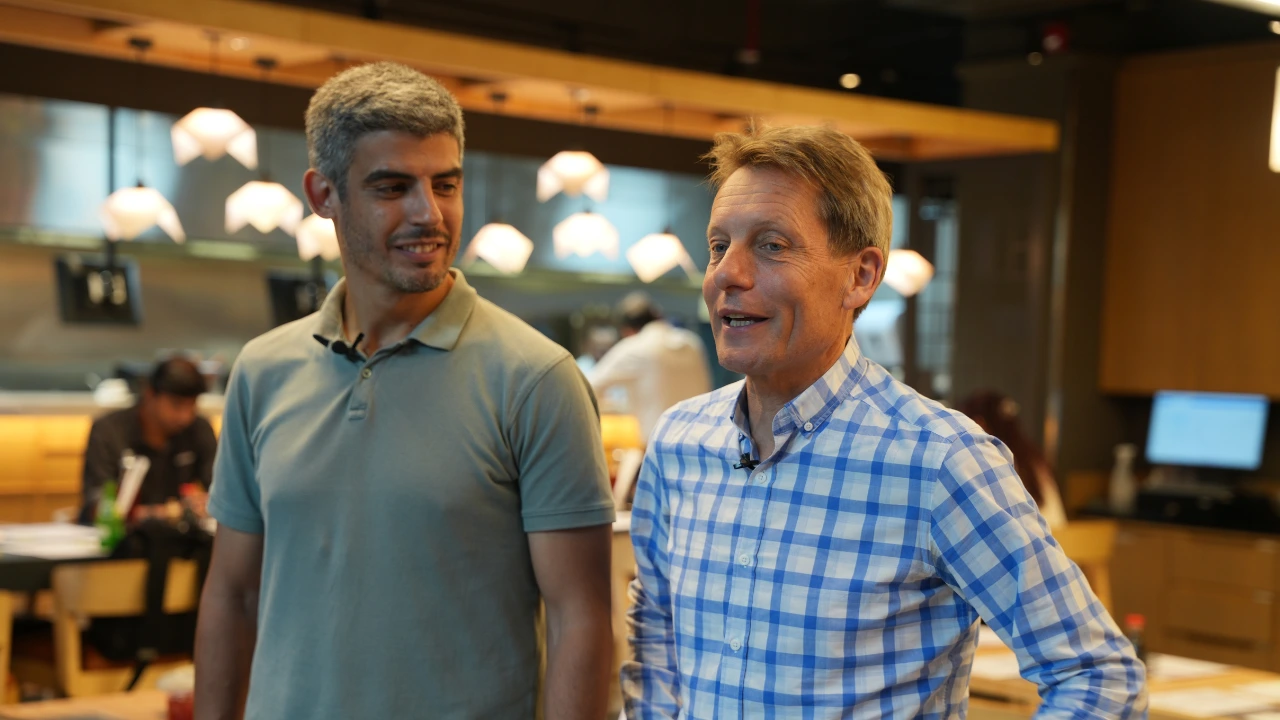
 Francisco Neves (left) and Andy Hornby
When an international restaurant brand enters India, the challenge extends far beyond opening a flagship outlet. It is about decoding one of the world's most competitive and fast evolving dining markets, where global chains compete not only with one another but also with a vibrant ecosystem of homegrown restaurant brands that have already earned consumer loyalty.
After making its India debut in 2025 with its first Mumbai outlet in Churchgate, UK-based pan Asian restaurant chain wagamama has opened its second outlet in the city, in Worli. The Restaurant Group-owned brand has also formally announced a joint venture with Charcoal Concepts, part of K Hospitality, to drive its India expansion, with plans to open 100 restaurants over the next decade. Delhi is next on its expansion roadmap.
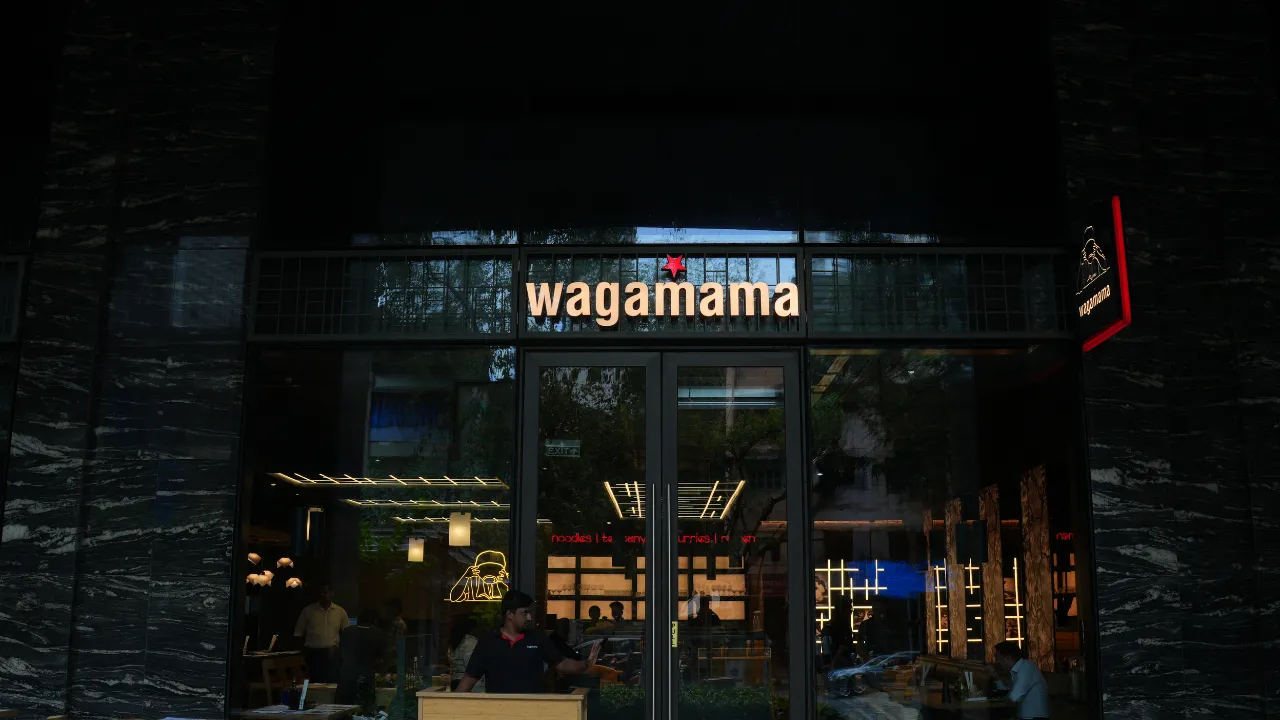
wagamama's new outlet in Worli, Mumbai
On the sidelines of the Worli launch, Andy Hornby, CEO, The Restaurant Group, and Francisco Neves, SVP, franchise and partnerships international, wagamama, spoke with Manifest about why India is a strategic priority, what sets the brand apart in a crowded dining market, and why they see the country as a decades-long growth opportunity.
Edited excerpts:
India is one of the few markets where wagamama has entered through a joint venture rather than a franchise model. What made India different, and why did Charcoal Concepts and K Hospitality emerge as the right partners?
Andy Hornby (AH): Back in the UK, we have about 180 Wagamama sites today, and over the last three or four years we've been looking at where we really want to expand internationally. In some markets we franchise, but here in India, we feel the opportunity is so big and so attractive, and the ability for wagamama to succeed is so strong, that we chose to do a joint venture with incredibly well-respected operators.
We knew we could build real trust, and we knew the wagamama proposition could be landed here in India with real authority, delivering fantastic food and service levels. That's why we partnered with Charcoal Concepts and K Hospitality. We knew the people well, we knew their track record, and here we are with what's about to be our second site in India. We're very, very excited. It's got so much potential.
What made Mumbai the right market for wagamama's India debut and expansion, and how does it fit into your broader strategy for the country?
AH: In the UK, we are now very large scale. We'd probably only be planning to open another 30 to 40 sites there, so we started asking ourselves which international markets are the most attractive.
Here in India, we know the pan Asian cuisine, and I stress this cuisine because wagamama is totally synonymous with it and is hugely popular. We knew we could develop a joint venture with a quality operator that would allow us to deliver the brand with real authority.
We chose Mumbai first because of the clear potential of the customer base we're targeting, but this is only the beginning. The key is to succeed here first and then move on to other Indian markets.
Francisco Neves (FN): Mumbai is one of the largest metropolitan areas in India with strong purchasing power, but it's also a melting pot for new concepts. We see a lot of new brands launching and testing themselves here, and the local audience is very open to new flavours.
Our partner also has a strong presence in Mumbai, which gives us confidence because we're starting from our own backyard. It gives us the time and space to tweak the brand for the local market before expanding to New Delhi, Bengaluru and other key cities.
As you build wagamama's presence in India, what will your marketing strategy look like, and how do you plan to create awareness for a brand that is still relatively new to many consumers?
AH: You have to do a mixture of very local marketing, and I mean super local. When you enter a development like this (hinting at the Worli outlet's location at Altimus, a corporate office tower), you want to make sure the people in the local offices and surrounding residential areas get to know the brand.
Social media is very important for building a strong presence. We're also blessed that K Hospitality knows how to market multiple brands, so we can use their expertise in positioning wagamama in the Indian market.
We need wagamama to be something a bit different. Genuinely pan Asian, offering everything from Japanese cuisine to Korean cuisine and beyond. We're also focused on both dine-in and delivery. At our first site here, delivery has been very successful, and it's another important way of building awareness. We'll keep going at it and gradually expand our presence over time.
Another helpful strategy is opening a mix of locations around office districts as well as shopping malls. Shopping malls attract families, younger groups and people from different neighbourhoods. A restaurant brand has to think carefully about where they place their footprint to maximise exposure for the brand.
You mentioned social media as part of your marketing strategy. Given the influence of food bloggers and content creators in India, how important will influencer marketing be in building the wagamama brand here?
FN: We've already been doing that since we launched the brand, and we know that's the right channel to engage with the local population.
There's a big difference between being a mature, well-known brand in the UK and entering a market where you're still fresh and new. Even if there's some awareness, we need to introduce ourselves in a way that feels fresh and exciting, and that's why we're using those channels while we're establishing ourselves in the market.
India's restaurant market is highly competitive. What will differentiate wagamama, and how do you plan to build a lasting presence?
FN: It's about being a true pan Asian brand that embraces different cuisines while adding our own twist. We're not tied to one specific cuisine, so we can adapt to emerging trends. Korean food, for example, is growing rapidly, and we have a very strong Korean-inspired section on our menu.
It's also about the service we provide. It's a very informal way of interacting with guests, with a lively atmosphere. If we stay true to ourselves by consistently delivering great pan Asian food together with excellent service, we know we'll be distinctive wherever we go.
AH: We'll adapt a lot for the Indian market because it's unique, but certain things will always remain consistent. We'll always have an open kitchen where guests can see the food being cooked, flexible communal seating and an informal atmosphere supported by fantastic food. We don’t mind if a single person is coming in and just relaxing or it's a group of teenagers. The food is always cooked to order and served immediately.
FN: We also make small adjustments for local tastes, including spicier dishes and developing new dishes from scratch, while ensuring they still fit under the wagamama umbrella. This strategy is key to landing the brand well in a new market.
What do you see as the biggest challenges in tapping into the Indian market?
AH: There's very strong competition from both international brands and local businesses, and it's such a huge market. You have to choose really good locations where the local population is going to embrace what you're offering. India is also changing so quickly. I don't think there's anywhere else in the world where the economy is growing at this pace. That's why we couldn't have done this without highly respected local operators who understand the market. This isn't a short-term project. Our wish is that we'll still be trading here in 20 years, and still growing.
Finally, what metrics will determine whether wagamama is ready to scale in India?
AH: Profitability.
Customer perception scores are also very important. We look very closely at customer Net Promoter Scores, which have been very, very strong so far. It's also important that we succeed in both Mumbai and Delhi. We probably need three or four successful sites operating in both cities before we know we have truly found a winning formula.