
 Subscribe
 Kiran Shah
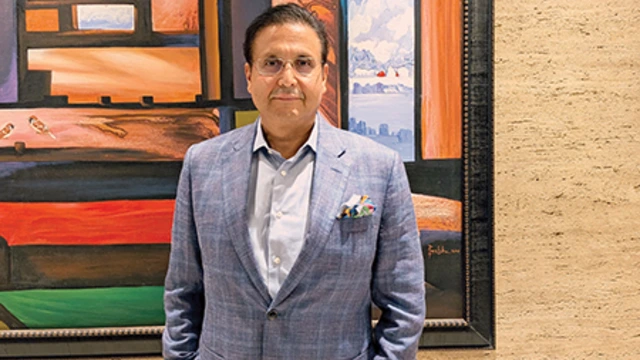
Go Zero has cut its influencer marketing budgets and will redirect the spend towards hiring two full-time in-house content creators, founder Kiran Shah announced through a LinkedIn post.
Shah said the decision stemmed from the brand’s inability to clearly measure returns from its influencer collaborations.
“A few months ago, I asked my team a simple question. ‘That reel we paid for in March, what did it get us?’ Nobody had a clear answer,” he wrote, adding that the issue was not a lack of awareness within the team but the difficulty of attributing measurable outcomes to influencer marketing.
Shah said the brand’s influencer marketing process involved repeatedly pitching to creators, negotiating partnerships, shipping products and following up on collaborations, without giving the company sufficient visibility into the return on its spending.
“Main woh banda hoon jo har city ka sales data daily track karta hai (I am the guy who tracks sales data for every city daily). And I could not measure the ROI on my own marketing spend,” he wrote. “That is what broke it for me. Not the money. The blindness.”
He described the existing influencer marketing model as 'renting' attention, arguing that while brands pay creators for access to their audiences, the resulting content, followers and audience growth largely remain with the creator.
“Har mahine attention ka rent. Aur mahina khatam toh sab khatam (Paying 'rent' for attention every month—and when the month ends, it all comes to an end),” Shah wrote. “The reel sits on someone else's page. Their audience, their followers, their growth. We paid for a visit.”
Shah pointed to companies including Sprout Social, Starbucks and Dell as examples of businesses investing in employee-led or in-house creator models. Citing these examples, he said Sprout Social’s employee creators accounted for under 8% of its content last year but generated nearly 30% of its video impressions, while Starbucks hired two full-time creators on 12-month salaries and Dell trained nearly 1,200 employees across 84 countries to create content.
“The biggest brands in the world are building owned content engines. Most of Indian D2C is still renting,” Shah said.
As part of the shift, Go Zero will hire two full-time content creators, one focused on Kannada and the other on Hindi. Shah said the company’s entire influencer collaboration budget will be redirected towards their salaries.
The content produced by the hires will primarily live on Go Zero’s own channels, with the company betting that building audiences on owned platforms will create more cumulative value than individual paid collaborations.
Go Zero is also doing away with resumes for the hiring process.
Applicants have instead been asked to create a 30-second reel selling Go Zero in either Kannada or Hindi, publish it on LinkedIn and tag the company.
Shah said he plans to publicly share the results of the strategy every quarter.
“If this bet is wrong, you will watch me be wrong,” he concluded.