
 Subscribe
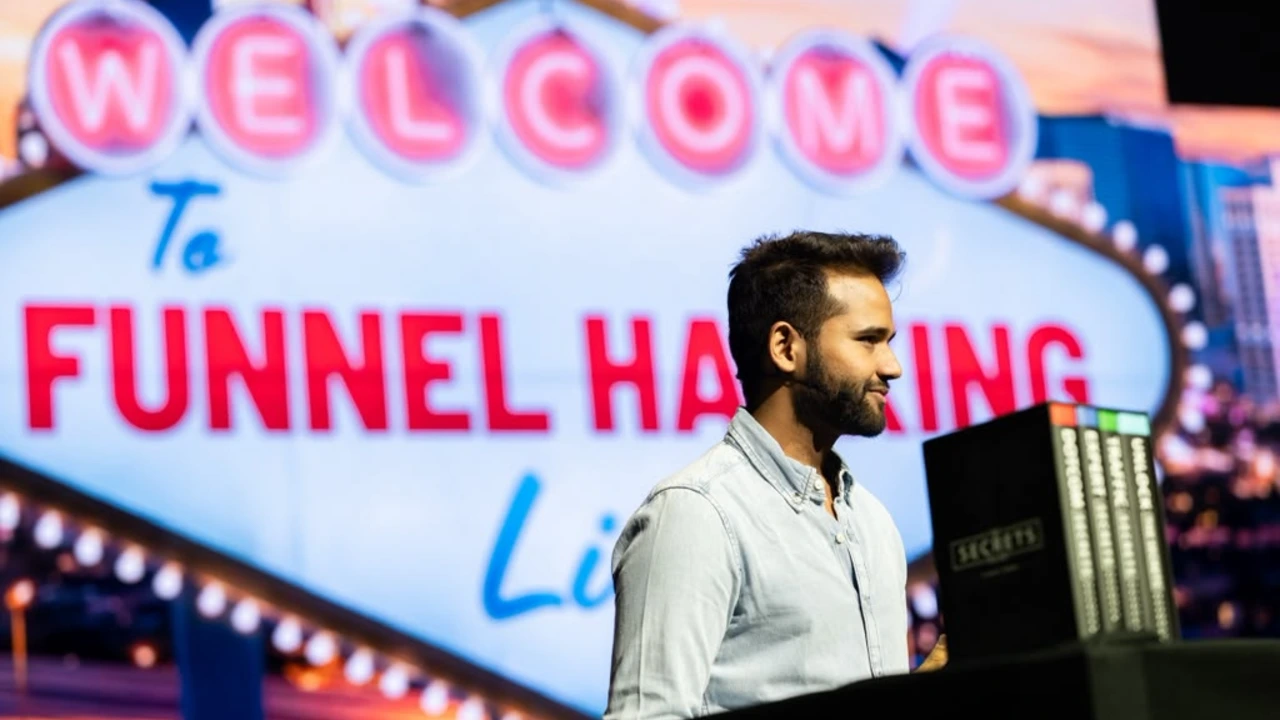
 Divyanshu Damani
A large following no longer guarantees reach. As social platforms shift towards interest-based discovery, creators find it harder to reach the audiences they have spent years building. For Divyanshu Damani, co-founder, TagMango and Backstage Pass, the next phase of the creator economy will depend on how well creators can own and monetise those relationships beyond social media algorithms.
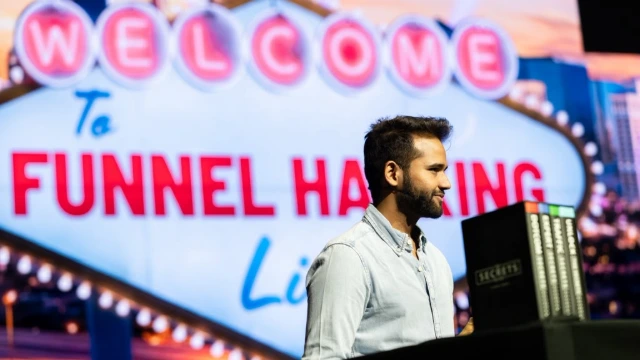
Launched in 2019, TagMango initially aimed to connect micro and nano influencers with brands before shifting towards creator-led monetisation, particularly in the knowledge and coaching economy. Its latest move, Backstage Pass, developed in partnership with US-based ClickFunnels, is a live-first platform that lets creators livestream across social platforms before bringing audiences into a dedicated space for direct engagement and monetisation.
The partnership brings together TagMango’s focus on India’s creator and coaching ecosystem with ClickFunnels’ international reach. Co-founded by entrepreneur and author Russell Brunson, known for his work on sales funnels and online business, ClickFunnels will drive Backstage Pass’ growth in the US and international markets. At the same time, TagMango will lead expansion across the Indian subcontinent.
Backstage Pass lets creators livestream across social platforms before bringing audiences into a dedicated space for direct engagement. It saves sessions as Encores, uses AI to identify key moments and generate short-form clips, and offers monetisation through Passes, which provide subscription or one-time access to livestreams and communities, and Drops for limited-time, limited-quantity live social commerce. The platform aims to onboard more than 1,000 creators across India and the US in its first six months.
Drawing on the logic of ClickFunnels, Damani argues that creators must balance content that attracts audiences with content that deepens relationships. The challenge is to turn that attention into a sustainable business rather than depending solely on brand deals or platform payouts.
Ahead of Backstage Pass’ India push, we spoke with Damani about the partnership, audience ownership, AI’s role in creator businesses and building sustainable monetisation beyond follower counts.
Edited excerpts:
Why was now the right time for this partnership, and what does the collaboration bring to the product?
ClickFunnels and Russell have an international audience, and there is good commonality in the customer bases we address. We're focused on the creator and coaching world of the knowledge economy, particularly in India, while they focus on the rest of the world, specifically the US.
We're solving the problem of creators finding it harder to reach their own followers as social media algorithms shift from a follow-based model to interest-based discovery. We wanted to build a platform where, every time a creator posts content or goes live, their audience gets notified.
That notification has almost completely gone away because of algorithm shifts, and that's something we wanted to partner on. Russell and the team are well equipped for this because they have among the world's deepest concentrations of knowledge economy creators.
What can creators do on Backstage Pass, and how does it address the challenges they face on social media?
We've created a live-first platform. Imagine Twitch, but for edutainment. The promise is that whenever you go live, everyone who follows you on Backstage Pass gets notified through the app and email, with other channels such as WhatsApp and text notifications possible down the road.
How does it work alongside existing social media platforms?
A creator can simultaneously go live across social platforms, including Instagram and YouTube. On YouTube, they can essentially cut the social stream and show a widget indicating that the live is happening exclusively on Backstage Pass.
Will Backstage Pass offer premium, paid access to members?
It may not be paid. It can be free as well. People just have to join and follow you on Backstage Pass to access your content. Unlike Instagram, where people can see your content even without following, that's the differentiator.
How will the platform help creators monetise their live sessions?
We're going deep into live social commerce. One can do drops, including limited-time and limited-slot drops, with seamless payment infrastructure built in.
How will AI help creators repurpose their live content?
Our company is rooted in AI. The idea is that with just one hour of livestreaming a week, an entire week's worth of social media content can be triggered.
We use AI to identify viral moments and create clips within 15 minutes of the live ending, which creators can then deploy across social platforms.
We've tried to maximise the time value for creators and their ability to own their audiences independently of algorithms, rather than depending on big tech to run communities they've spent years building.
How does this approach reflect the broader shift towards creators owning their audiences?
Creators are finding it harder to reach their own followers as algorithms move from follow-based models to interest-based discovery. We wanted to build a platform where, every time a creator posts content or goes live, their audience gets notified.
That's the entire journey: maximising a creator's time and ability to own their audience independently of algorithms, rather than depending on big tech to run the communities they've invested so much in.
TagMango was launched in 2019. How has the business scaled, and what have you learnt from working with creators?
When we started, monetisation was always the focus. We wanted to solve the money problem for creators.
For the first year and a half, we connected micro and nano influencers with brands. Over time, we saw a bigger opportunity for creators to tap into and monetise their own audiences. We bet that the opportunity here would be larger than the brand revenue opportunity and started building infrastructure for it.
Over the last four or five years, we've focused heavily on building that infrastructure, and that's why TagMango exists.
What were some key learnings from working with creators?
We started with a Patreon-like model but realised India did not have a very altruistic approach towards supporting creators. The real movement of money was happening in education. Our platform therefore became more focused on knowledge creators than the creator economy as a whole.
Uptake among knowledge creators grew during Covid, particularly in 2021. We saw an opportunity to help people creating valuable content monetise it more deeply. As we went further, we found another part of the economy: coaching.
In the coaching economy, traffic comes not just from content but also from performance marketing, as it would for any other business. Our platform now powers different kinds of edtech businesses, with creators and coaches forming the core of our users.
What needs to change for creators to build sustainable businesses, especially when starting?
People deeper in the game understand the possibilities of monetising through different formats. But beginners still see brand deals or platform monetisation as the primary engines. They haven't thought through audience monetisation as a strategy.
If more creators adopted audience monetisation, they could build more sustainable businesses, particularly when starting. That education is currently missing. We're still at an early stage, but people are making double-digit crores on the platform without very large audiences. That's what we're working towards.
How is AI changing the company's product strategy?
All the companies we run are AI companies. On 15 August, we shifted TagMango from a pure SaaS play to an AI play, focusing more deeply on how AI, particularly agentic AI, can improve customer workflows.
Creators shouldn't have to take action on the platform. They should focus on building communities and deepening relationships with their audiences. Everything else that's technology-driven, we want to automate. We also want to derive better context about their businesses, both on and outside TagMango, and enable sharper decisions using the intelligence we've captured over the last six or seven years.
That's what we're building towards, and it will be TagMango's focus.
With trends constantly emerging, should creators follow them or stick to the value they provide audiences?
There should be a mix of strategies, the same way you run any business.
Some content should build the top of the funnel, while other content should deepen the community and establish a narrative.
The way to go is to balance content that taps into algorithms and drives audiences with content that builds the narrative and deepens the audience base. That's how I've seen the best creators approach it.
Looking ahead five years, what will separate creators with large followings from those with meaningful communities?
I don't think they're substitutes for each other. The industry will become more segmented across monetisation, whether through brands or audience monetisation on platforms like TagMango.
People will increasingly flock towards communities of like-minded individuals. Creators and coaches will build these communities and develop niches within them. Brands will also chase these sub-niches, creating audience and monetisation opportunities around specific segments.
As the world gets lonelier because of social media and AI, people will find solace, growth and a sense of purpose in communities built by creators and coaches, including those already building on our platform.