


 Subscribe
 The study estimates that approximately 382 million Indians are aged 15-29, more than half of the people in that age group across the Commonwealth.
Across the Commonwealth (an association of 56 independent member states spanning Africa, Asia, the Americas, Europe, and the Pacific, including India), there are approximately 732 million young people aged 15-29.
The Ayre Index, the 2026 Commonwealth Youth AI Readiness Index, provides an assessment of the conditions facing young people across all 56 Commonwealth member states. Drawing together published evidence on connectivity, digital skills, education, employment, enterprise, safeguards and attitudes towards AI, it asks a question: where are the foundations for benefiting from AI strongest, and where must countries act?
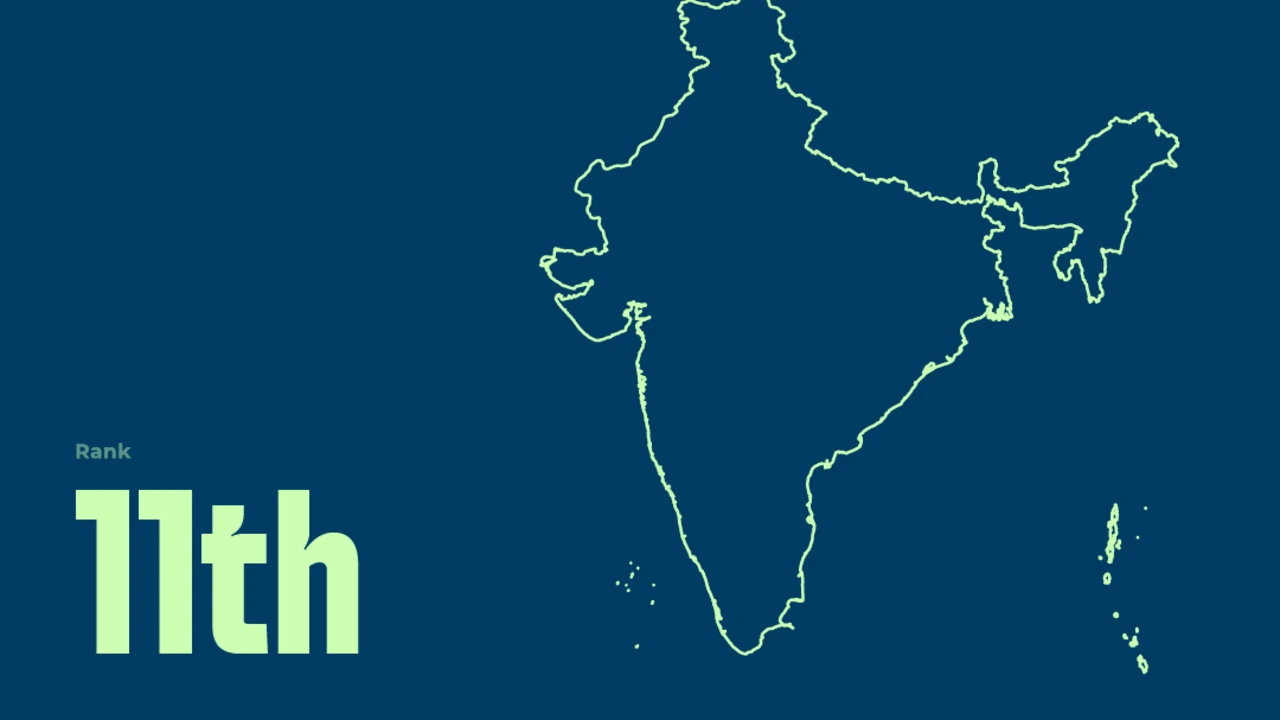
Singapore leads the index with a score of 77.6 out of 100, followed by Malta at 75.0, while Lesotho scores 27.8 and Malawi just 26.3. India is ranked 11 on the list. Sri Lanka is at number 19; while Bangladesh is ranked 21 while Pakistan is at number 24.
The study identifies a potential USD 79 billion boost to its economy after ten years – the second-largest economic opportunity of any country in the Commonwealth. The study estimates that approximately 382 million Indians are aged 15-29, more than half of the people in that age group across the Commonwealth.
The research also reveals considerable enthusiasm for AI among young Indians. In a survey examined by researchers, 88.8% expected to use the technology for education or work within the following year, while 60.1% expressed confidence in their ability to control their interactions with it.
According to this report, the largest challenge may lie in translating technological potential into livelihoods. The research records 30.4% of young people outside employment, education or training, while 85.8% of young workers were in informal employment.
Calvin Ayre, founder, the Ayre Think Tank, said, "I’ve spent my life in businesses where new technology changes everything, and I know you can’t stand still. AI is going to change how we work, how we do business and how wealth is created. But this is not a race that only the biggest or richest countries can win. What matters is giving young people the skills and the chance to get ahead – whether to start businesses, find jobs or build something for themselves. Some Commonwealth countries are ahead, others have catching up to do. Nobody can afford to be complacent. That’s why we created this Index. It shows countries where they stand, what they’re getting right and where they need to do better. Governments now have to decide what they’re going to do about it."
The White Paper identifies five priorities: affordable and reliable access to technology; education that develops practical skills; stronger routes from training into employment and enterprise; AI tools suited to local languages and needs; and safeguards that enable young people to question automated decisions.
It calls on governments, educators and development partners to examine the particular barriers young people face in each country before deciding where investment could make the greatest difference.
|
Rank |
Commonwealth country |
Index score |
Scoring coverage (of 102) |
Data Gap Index (of 100) |
|
1 |
Singapore |
77.6 |
75 |
37.7 |
|
2 |
Malta |
75.0 |
68 |
41.4 |
|
3 |
Australia |
71.0 |
76 |
26.2 |
|
4 |
United Kingdom |
70.8 |
84 |
20.1 |
|
5 |
Canada |
70.2 |
76 |
31.8 |
|
6 |
Malaysia |
69.0 |
72 |
29.0 |
|
7 |
Cyprus |
67.4 |
74 |
34.1 |
|
8 |
Mauritius |
64.4 |
61 |
49.4 |
|
9 |
New Zealand |
63.9 |
55 |
50.1 |
|
10 |
Brunei Darussalam |
62.3 |
57 |
56.3 |
|
11 |
India |
60.6 |
80 |
20.7 |
|
12 |
Fiji |
56.9 |
60 |
47.9 |
|
13 |
South Africa |
56.8 |
75 |
32.0 |
|
14 |
Trinidad and Tobago |
56.5 |
58 |
56.6 |
|
15 |
Nigeria |
54.5 |
82 |
17.4 |
|
16 |
Seychelles |
51.8 |
39 |
73.1 |
|
17 |
Ghana |
51.2 |
73 |
31.7 |
|
18 |
Jamaica |
50.7 |
61 |
51.2 |
|
19 |
Sri Lanka |
49.9 |
54 |
52.7 |
|
20 |
Zambia |
48.8 |
65 |
40.5 |
|
21 |
Bangladesh |
48.7 |
84 |
14.4 |
|
22 |
Kenya |
48.7 |
66 |
42.9 |
|
23 |
Uganda |
47.0 |
61 |
50.0 |
|
24 |
Pakistan |
46.4 |
84 |
15.7 |
|
25 |
Tanzania |
45.5 |
63 |
41.0 |
|
26 |
Gabon |
45.3 |
43 |
67.1 |
|
27 |
Antigua and Barbuda |
45.2 |
41 |
70.6 |
|
28 |
Maldives |
44.9 |
41 |
71.4 |
|
29 |
Cameroon |
44.9 |
54 |
53.9 |
|
30 |
The Bahamas |
44.7 |
35 |
78.5 |
|
31 |
Guyana |
44.5 |
49 |
65.5 |
|
32 |
Papua New Guinea |
44.1 |
38 |
67.9 |
|
33 |
Sierra Leone |
43.6 |
64 |
46.5 |
|
34 |
Barbados |
43.0 |
43 |
70.5 |
|
35 |
Belize |
42.8 |
50 |
65.2 |
|
36 |
Namibia |
42.7 |
52 |
56.2 |
|
37 |
Togo |
42.6 |
58 |
51.8 |
|
38 |
Grenada |
41.7 |
45 |
66.2 |
|
39 |
Nauru |
41.6 |
44 |
69.2 |
|
40 |
Dominica |
41.3 |
37 |
75.1 |
|
41 |
Samoa |
41.0 |
47 |
65.1 |
|
42 |
Saint Vincent and the Grenadines |
39.5 |
38 |
72.1 |
|
43 |
Saint Kitts and Nevis |
39.0 |
37 |
75.1 |
|
44 |
Mozambique |
38.9 |
53 |
58.1 |
|
45 |
Botswana |
38.9 |
63 |
53.8 |
|
46 |
Kiribati |
38.4 |
44 |
66.9 |
|
47 |
Rwanda |
38.1 |
60 |
50.2 |
|
48 |
Tonga |
37.9 |
49 |
62.8 |
|
49 |
Saint Lucia |
37.5 |
52 |
61.6 |
|
50 |
The Gambia |
37.3 |
63 |
41.9 |
|
51 |
Vanuatu |
37.1 |
48 |
64.7 |
|
52 |
Eswatini |
36.9 |
51 |
62.7 |
|
53 |
Solomon Islands |
32.0 |
36 |
75.6 |
|
54 |
Tuvalu |
31.6 |
42 |
69.1 |
|
55 |
Lesotho |
27.8 |
55 |
54.9 |
|
56 |
Malawi |
26.3 |
59 |
53.0 |