
 Subscribe
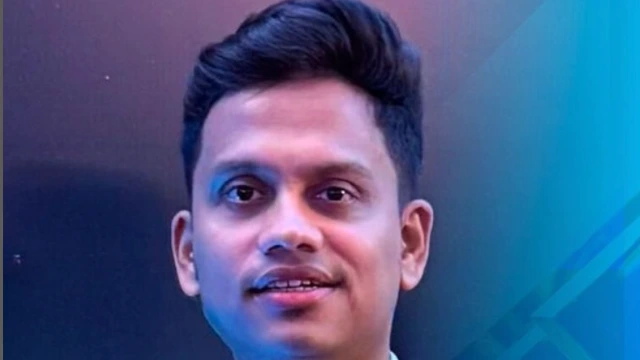
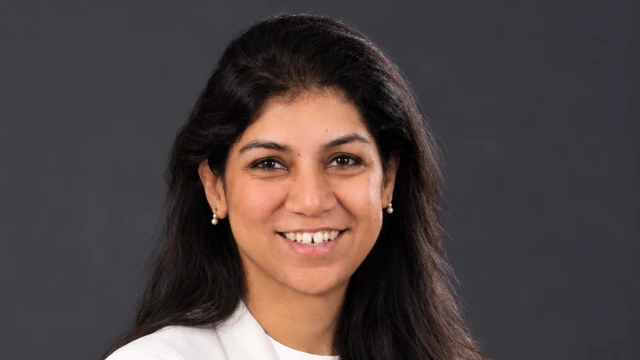
 Rubeena Singh (left) and Kushal Bhuva
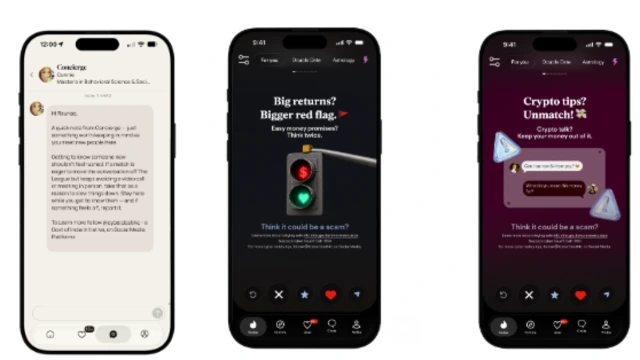
WhatsApp has introduced Usernames globally. Designed as a privacy tool, Usernames allow users to connect without sharing phone numbers and are not publicly searchable. However, the rollout has come under scrutiny from the Government of India, which, at the time of publication, had reportedly asked Meta to pause the feature over concerns around impersonation and fraud despite WhatsApp's assurance of safeguards.
In light of this, in our July issue, we wanted to understand whether WhatsApp Usernames will remain a niche privacy feature or reshape consumer behaviour, brand engagement and digital identity across Meta's ecosystem. Hence we got Kushal Bhuva, associate vice president - founders office, influencer marketing and video, White Rivers Media and Rubeena Singh, managing director, NP Digital India to weigh in.
Do you expect Indian consumers to actively adopt Usernames, or will phone numbers remain the default?
Kushal Bhuva (KB): Indian consumers will adopt Usernames gradually. Phone numbers remain deeply embedded in daily communication, but Usernames meet a clear need for privacy when engaging with businesses. Younger, digital-first users will likely embrace Usernames quickly due to familiarity with other platforms. The two systems are expected to coexist, with phone numbers supporting trusted relationships and account verification, while Usernames become the standard for discovery and first-time interactions.
Rubeena Singh (RS): Adoption is likely because Usernames address something users have wanted for a while: a way to connect without sharing their personal phone number. As more people use WhatsApp to interact with brands, freelancers and non-personal contacts, privacy has become essential. Meta often introduces features that start as optional and gradually become everyday behaviour, and Usernames could follow a similar path, especially in India, where the line between personal and professional communication on WhatsApp is often blurred. In some ways, it echoes the BlackBerry BBM PIN era, when a unique identifier offered greater control over who could reach you.
How could Usernames reshape the way brands approach customer service, commerce and community building?
KB: Usernames lower the friction for starting conversations. Brands can promote a memorable identity consistent across Meta's ecosystem, strengthening conversational commerce and improving accessibility for customer support. Marketers must now prioritise discoverability and brand consistency over simple phone number acquisition. Businesses will need to design seamless customer journeys spanning commerce and community engagement as WhatsApp evolves into a broader ecosystem for business interactions.
RS: The more significant shift is behavioural, and brands that do not recognise it risk repeating the mistakes they made when WhatsApp first became a marketing channel. For years, brands used WhatsApp as a broadcast medium, sending promotional alerts and unsolicited messages into what consumers considered their most personal digital space. Many responded by blocking, muting and opting out, and the platform became associated with intrusion rather than value. Usernames change that dynamic because they signal a more conscious, consent-driven relationship. When a consumer chooses to initiate contact with a brand via its username, they are making an active choice rather than being pulled into a conversation they did not ask for. For customer service, commerce and community building, the opportunity is to create relationships that consumers actually choose to enter.
Could Usernames create new concerns around brand impersonation, scams or consumer trust?
KB: Usernames introduce risks around digital identity and impersonation. Verification mechanisms and strict username reservation policies are vital. WhatsApp already provides security layers, but the platform must strengthen enforcement as adoption rises. Marketers must communicate official handles clearly across channels and prioritise robust governance and active protection. Security should be treated with the same importance as customer acquisition.
RS: This is a valid concern, and one the industry should address proactively. India already faces a significant challenge with scams and impersonation on WhatsApp. Without strong verification, Usernames could create another avenue for bad actors, especially where digital literacy varies widely. The most important safeguard will be platform-level verification, similar to verified badges on other Meta platforms, supported by consumer education in regional languages. Brands also need to communicate their official WhatsApp username consistently across customer touchpoints. Those who establish trust early will be better positioned as adoption grows.
Does this pave the way for a more unified identity and conversational marketing ecosystem?
KB: Meta's move to consistent Usernames allows for seamless journeys from content discovery to direct conversation. Marketers can simplify campaign attribution and cross-platform strategies. However, this integration presents risks around ecosystem dependence, with brands potentially relying too heavily on Meta for customer acquisition. The success of this model depends on Meta balancing convenience with privacy while ensuring businesses maintain transparency and control over customer relationships.
RS: This feels like a deliberate move rather than a standalone feature. Meta has been steadily building a more consistent identity layer across its platforms, and WhatsApp Usernames are an important part of that, particularly in markets like India. For marketers, the opportunity lies in creating a more seamless customer journey from discovery on Instagram to conversations on WhatsApp and community on Threads. At the same time, brands should be mindful of becoming too dependent on a single platform. The strongest strategy is to use these tools to build lasting customer relationships, not just to increase reach.
Could Usernames encourage more engagement by removing the hesitation around sharing personal phone numbers?
KB: Usernames reduce the psychological barrier of sharing personal contact details. This change is significant for creator communities and small businesses. A privacy-first model encourages exploratory interactions and helps brands capture intent earlier. Memorable Usernames improve discoverability without the burden of saving contact information, although sustained adoption will depend on an intuitive experience and effective misuse prevention.
RS: Yes, and the scale of that shift could surprise people. The hesitation around sharing phone numbers on WhatsApp has been a genuine barrier. In India, a phone number is tied to bank accounts, Aadhaar and even one's financial identity, carrying a weight that sharing a social handle simply does not. Usernames remove that weight. For consumers, they lower barriers to initiating contact with brands. Creators resolve the tension between being reachable for collaborations and protecting personal details. For small business owners, they enable a distinct, professional identity on the platform without the personal exposure that currently comes with it. The broader point is that privacy is no longer a niche concern. It is a mainstream consumer expectation, particularly among younger audiences who understand what it means to give a brand access to their personal information. WhatsApp Usernames are the platform's acknowledgement of that expectation, and the brands that respect that boundary will build the kind of trust that broadcast messages never could.
This article was first published in the July issue's Perspectives section. Click here to buy a copy!