
 Subscribe
 Rakesh Menon
It is 1938. Cinema has become the most powerful art form on the planet. Countries are competing to be taken seriously on screen. And there is only one place in the world where that happens. The Venice Film Festival. Winning here means everything.
That year, the jury does its job. They watch, they deliberate, they decide. The top prize goes to an American film. Then, hours before the ceremony, the results change. Hitler and Mussolini lean on the jury. The prize is overturned. It goes instead to a Nazi propaganda documentary and an Italian fascist war film.
France watches this happen and decides it cannot stand by. Instead of responding with a protest, it responds with an idea. A rival festival. One where no government can walk into the jury room. Where only the work decides.
They choose a quiet resort town on the French Riviera. Cannes.
And Cannes is never the same again. A small leisure town transforms into the cultural and commercial capital of the creative world. Millions of euros flowing through the region annually. An entire economy built because of one defiant idea.
It's hard to think of a better Creative Business Transformation story. Which is why there couldn't be a more fitting place in the world to sit on a Creative Business Transformation jury.
I walked into that jury room carrying the weight of what this category demands. Creative Business Transformation is not about clever campaigns. It is about ideas that fundamentally change how a business operates, grows, or creates value. The standard is unforgiving. And it should be.
The jury represented almost every continent. Razor-sharp people who had walked into the room with their own convictions and were genuinely willing to walk out with different ones. That openness, rare in any room, made the conversations extraordinary. There is something incredibly rewarding about spending two days debating work you did not make but are deeply invested in. It is, honestly, something most of us in the creative business do not do enough of.
What became clear quickly was that most of the work was entered too early. Creative Business Transformation lives and dies by results. Not PR metrics, not awareness numbers, but tangible, demonstrable impact on a business and the communities it serves. Several entries had brilliant thinking and strong execution. But they showed up without the results that really mattered. A year later, many of them would have been serious contenders.
The work that stood out was beautifully simple. The Grand Prix was a perfect example. Wikifarmer, a small Greek agricultural platform, noticed something everyone had overlooked. Greece throws rice at weddings. Over 200 tonnes of it a year. Meanwhile farmers were being forced to discard 30% of their crop as commercially inedible under EU regulations. The solution was not a campaign. It was a marketplace. Connect the farmers to the wedding planners. Let the discarded rice become the wedding rice.
No new technology. No significant investment. Just a cultural truth that somebody saw before everyone else did.
The decision wasn't easy. Here was a small brand with a simple idea and limited resources, standing its ground against brands with far greater firepower. But when a room full of people from different cultures and different business contexts finally arrives at the same answer, you know you've got it right.
Two days in that jury room does something to you. Not because you learn something you did not know. But because you experience, at close range, where the bar should be. Where every idea must answer the same question: what changed because you existed?
Maybe that was the standard Cannes was built to protect. In 1938 and today.
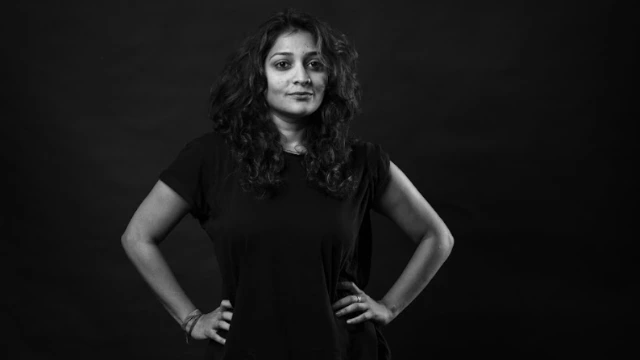
The author is chief creative experience officer, Ulka.