

 Subscribe
 Josy Paul
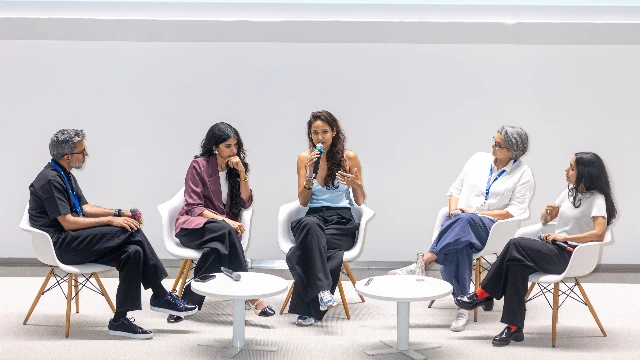
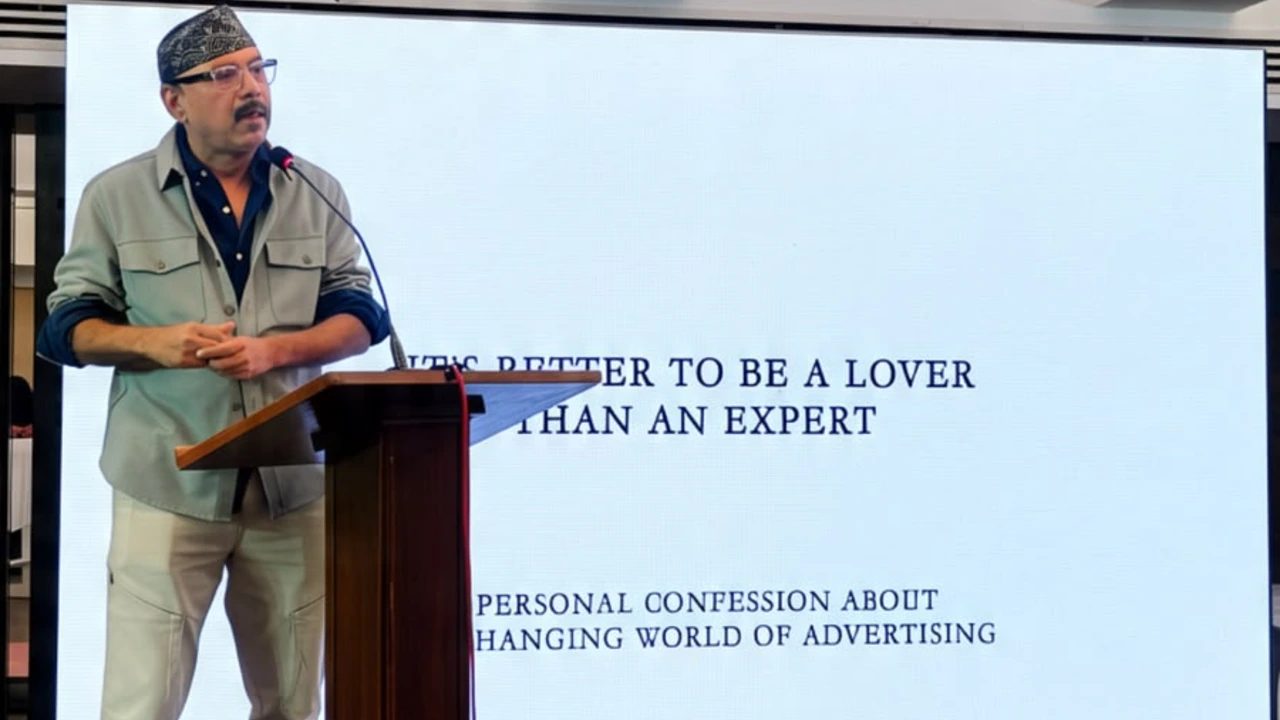
At the Association of Advertising Producers (ASAP) Changemakers 2026, held in Mumbai on 25 November, Josy Paul, chairperson and group chief creative officer, BBDO Group India, shared a personal philosophy on advertising that prioritises emotional connection and cultural relevance over technical expertise.
Drawing on his experience across campaigns for Gillette, Whisper, Ariel and eBay, Paul argued that the industry’s changing media landscape demands embracing new formats, responding to cultural conversations and rethinking the role of production houses in creating work that goes beyond conventional advertising.
‘It’s better to be a lover than an expert’
Opening with a personal confession, Paul challenged the industry’s tendency to position expertise as the ultimate measure of professional credibility.
He shared that expertise can become restrictive when professionals become more concerned with protecting their established ways of working than adapting to change.
“The problem is that an expert has a shelf life. The expert knows everything then, and then time shifts. When time shifts, the expert gets busy trying to protect that turf. And the more you try to protect your turf, the more the world changes around you,” he said.
Instead, Paul advocated remaining a lover of the craft, someone who continues to be curious and embraces change. Reflecting on his 35-plus years in advertising, he recalled the first advertisement that made him fall in love with the business. The film (for Nike), featured an African American man running against a golden sunrise, carried the message that although society might deny people access to schools, playgrounds and neighbourhoods, the road remained open.
The advertisement made him realise that advertising could do more than sell products. “Even as you sell, you can impact the world,” he added.
From making ads to creating acts
Paul traced this philosophy to his experience with Gillette’s ‘Women Against Lazy Stubble’ campaign, developed when Facebook was beginning to create new opportunities for audience engagement.
Rather than following the conventional approach of producing a film around a clean-shaven man, the team proposed starting a movement.
“We didn’t go with an ad. We didn’t go with a film. We didn’t go with a script. I just wrote one line: ‘What if we started a movement?’” he recalled.
The campaign generated national conversations and even faced opposition, with groups protesting outside Procter & Gamble’s building and disrupting an activation involving men shaving.
Despite the resistance, the campaign went on to win recognition at Cannes Lions.
For Paul, the experience reinforced the need to move beyond conventional definitions of advertising. He also recalled standing outside the Taj Mahal Palace in Mumbai following the 26/11 terrorist attacks, where he began chanting with a small group of people. The gathering eventually grew to around 500 participants.
The experience inspired another philosophy: “Great acts, not ads.” He said creative expression should not be confined to whether someone identifies as a filmmaker, writer or advertising professional, but should respond to what is happening in the world.
Culture is writing the brief
Sharing the experience behind Whisper’s work, Paul recalled questioning why menstrual blood continued to be depicted as blue in advertising when it was actually red. The conversation with the Procter & Gamble team opened up discussions around menstrual taboos, including restrictions placed on women during their periods, such as being prevented from entering kitchens or touching pickle jars.
The interaction, he said, transformed a conventional client brief into an emotional conversation about society.
“Suddenly, culture became brief. It was no longer a client giving us a brief. It was as though culture had decided to give us a brief,” he remarked.
He also cited the agency's long-running campaign Ariel’s ‘Share the Load’, recalling how it prompted responses from people across the world, including letters from prominent women and personal accounts of families confronting unequal household responsibilities. One individual even called Paul to apologise to his wife and children for not sharing household responsibilities, asking him to be a witness.
For Paul, these responses demonstrated advertising’s ability to influence behaviour. “You are the original influencers, right? You change things. You make people do what the world needs to do,” he told the audience.
From brainstorming to ‘soul-storming’
Paul said the experiences had reinforced his belief that context gives content meaning. “Context is what makes content meaningful,” he said, adding that creative work must recognise what people are experiencing in their lives and in society.
At BBDO, this thinking informed the creation of the ‘White Room’, a space designed for what he called ‘soul-storming’ rather than brainstorming.
Unlike conventional brainstorming, which he felt often encouraged people to demonstrate their creativity, soul-storming allowed participants to share more personal truths in a safe environment.
He illustrated this through an eBay exercise that began with a simple question: why do people buy things? The conversation eventually led to the platform’s proposition, ‘eBay: Things Don’t Judge’, built around the idea that everyday objects do not discriminate based on age, gender or religion.
Production houses must look beyond commercials
Turning to the future of advertising production, Paul argued that production houses have an opportunity to expand beyond conventional commercials and engage with a much wider world of content.
He pointed out that only two of the 31 Cannes Lions categories are now dedicated to film, suggesting that almost every form of creativity could become an opportunity for filmmaking.
“The world is bigger than just the films we create. The world is the film, and if we can capture that, that would be awesome,” he shared.
Paul called for producers and directors to develop an understanding of documentaries, human behaviour and emotional persuasion alongside their existing craft capabilities. He described this emerging opportunity as ‘micro-documentaries’, urging production houses to make them alongside conventional films.
“Don’t lose what you have. Keep what you have because that’s super critical. That’s your God. Keep your craft, but be with humans like us sometimes,” he said.
He concluded by asking production professionals whether they wanted to remain within the 15% of opportunities represented by conventional filmmaking or participate in the wider 85% of creative possibilities.
Wrapping up the session, Paul said, “Why be an expert when you can always be in love?”