
 Subscribe
 Liz Taylor
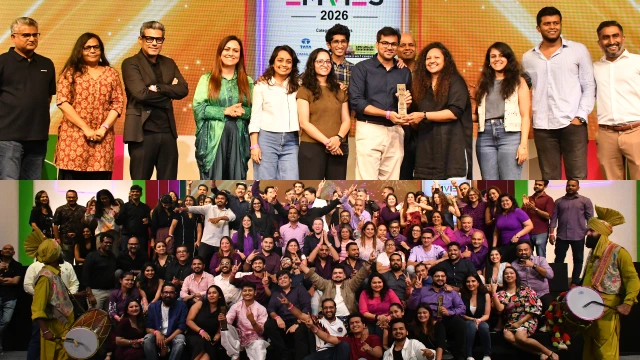
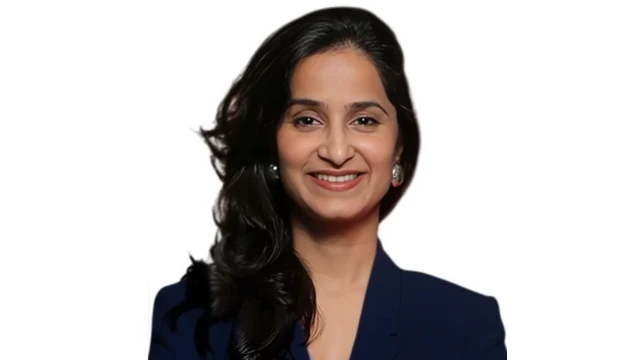
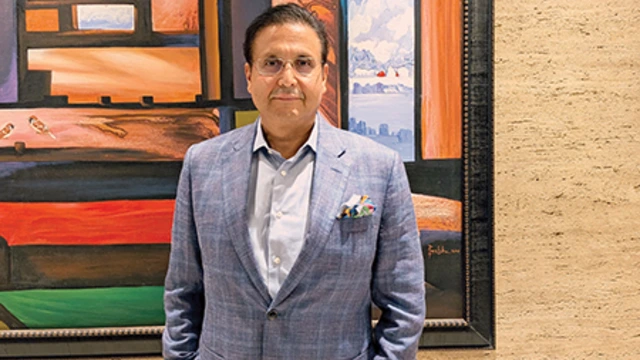
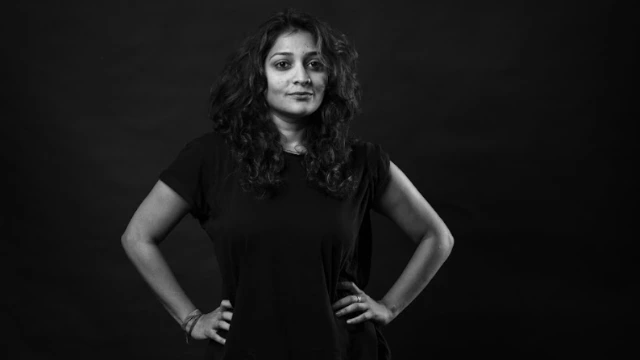
Liz Taylor, global chief creative officer, Ogilvy, was in India for the agency's annual gathering of creatives from across the global network last month.
In conversation with Manifest, she stated how one needs to be hard on the work, not the people, while discussing data, work that wins awards versus the work that moves business, bravery in advertising, whether it continues to be hard to be a working mum in this industry, and more.
Edited excerpts:
Has effectiveness data made creatives sharper or more risk-averse? What separates work that wins awards from work that moves business?
We call creativity and effectiveness the ’twin peaks’ of our industry — work is always stronger with the two standing together. You see that validated especially in our long-term relationships with brands like Dove and, especially here in India, Cadbury and Fevicol to name a few
At Ogilvy, we believe that you can’t separate the idea from the business. Creativity should always be about building top-line value for clients, embedding them in culture with relevance and resonance to give our client brands that competitive edge. Industry recognition is a happy outcome, but it’s not the end goal.
As our beloved Piyush would often say, great work has to win hearts with its core audience first. He was happiest when work was loved and talked about by the neighbour next door. To me, that remains a core Ogilvy mantra. Win hearts first. The awards wins will follow.
Has the definition of ‘bravery’ in advertising changed? Have brands become overly cautious in culturally sensitive times? Is controversy still a strategic lever, or now a liability?
Bravery used to be equated with shock value or provocation. Today, it’s more nuanced. It’s about conviction. Standing for something with clarity and consistency, not just creating noise. In culturally sensitive times, the stakes are higher — but that doesn’t mean brands should retreat into safety. If anything, it demands sharper thinking, deeper empathy, and a stronger point of view.
Have some brands become cautious? Yes, and that’s understandable. The public conversation is faster, louder, less forgiving. But the biggest risk to creativity isn’t controversy — it’s mediocrity. Bland work doesn’t get criticized; it gets ignored. And being ignored is far more threatening for a brand today than being debated.
Controversy in itself was never a strategy. When work is rooted in genuine brand truth and cultural intelligence, bold work will always drive disproportionate impact. But when it’s just manufactured for attention is when it comes a liability.
You’ve stated that 'using the power of creativity for good' is what drives you, citing the work done for gun control work and advocacy for women’s birth control rights. What do you want Ogilvy’s creative legacy under your tenure to be remembered for?
Absolutely using the power of creativity for good, to create real-world impact. I feel very privileged to help bring work into the world like ‘Heaven Fish’, ‘Morning After Island”, ’The Cost of Beauty’, and many others.
On a personal level, something I always talk about is the importance of being hard on the work, not on the people. It’s important to me that Ogilvy be a place where people can be themselves and grow into ‘Giants’, as we say, doing the best work of their lives. I don’t like toxicity, I don’t think creativity thrives in that kind of environment, and I think it’s important to remove ego and embrace different perspectives for the benefit of work.
That’s actually what brought us to Mumbai this past month— an annual gathering of creatives from across our global network, which we call ‘Cadre.’ It’s all about coming together to vet, debate and collaborate on work — to make our creative product, and each other, better.
In that sense, it’s also an example of how I approach creative excellence as a way of operating, not just an outcome. I like to think it’s my contribution to David Ogilvy’s ‘Divine Discontent’ — how do we not only make sure we’re pushing against complacency and pursuing creativity with more innovation, more impact, but also how do we do that continually, not just flash in the pan ideas. Creating at a high level, consistently.
In 2023 you stated in an interview, “It’s hard to be a working mum in this industry..” Do you still feel the same way or have things changed?
I think being a working mom, period, and being a mom working in this industry, are always challenging. We are an industry of high demands, where you’re constantly problem-solving, and juggling complicated and often unpredictable schedules. It takes energy and focus and enthusiasm. Which are also the same things you hope to bring to your children and your household. My experience as a working mom has evolved, as my kids are older now and doing their own things, but you still feel that need to be available to and present with them.
What I can say is that, if you commit to making it work, I think you can. You have to decide what is most important for you to protect. I often tell the story of how one time a production shoot was scheduled during my daughter’s birthday. And birthdays are a non-negotiable for me — I will never miss one. The shoot couldn’t be moved, and I walked away from that job.
I think you have to draw boundaries for yourself, because others won’t draw for them you. And being a mom, being a parent, is — I believe — something worth protecting.
(A version of this first appeared in the March 2026 issue of Manifest, click here to buy it.)