
 Subscribe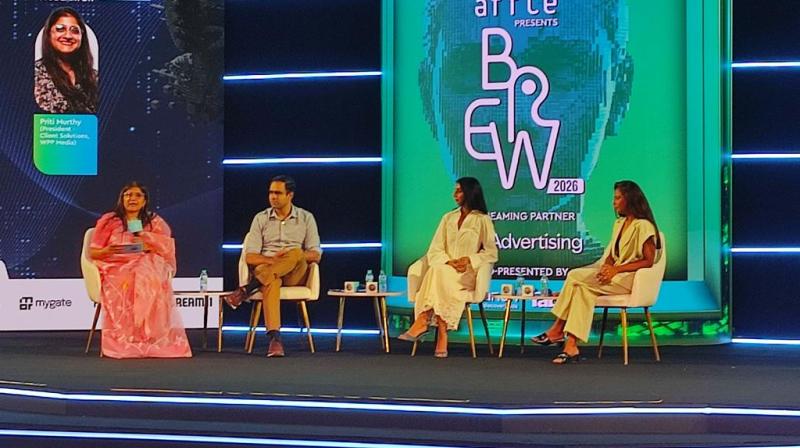
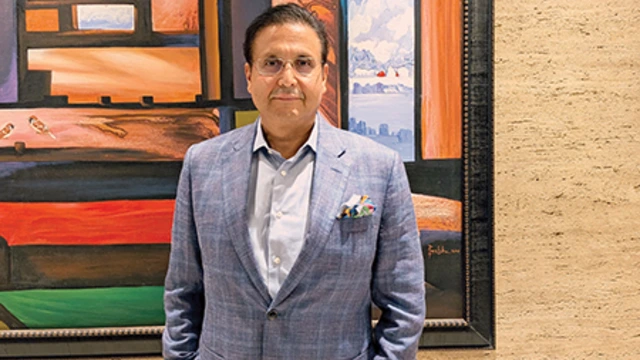
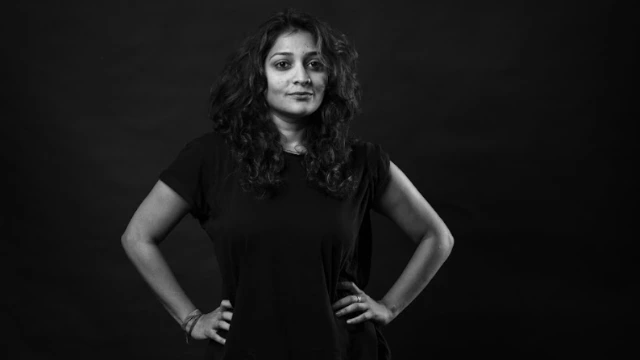
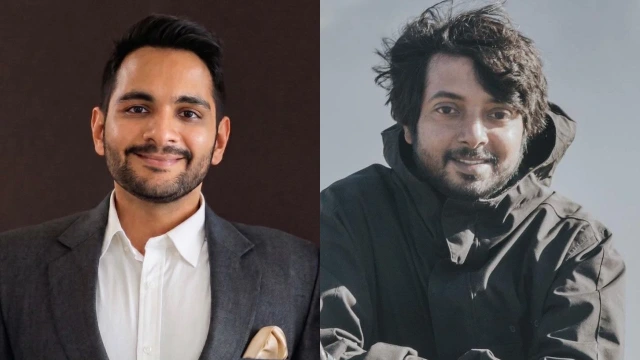
 (L-R) : Priti Murthy, Ambuj Kashyap, Dolly Singh and Aditi Shrivastava
Are micro-dramas here to stay or is it just a passing fad? How can brands meaningfully invest in the format? These were the key questions explored at a session at WPP Media India’s Brew 2026.
Titled, ‘Betting big on micro-dramas’, the panel featured Ambuj Kashyap, EVP - micro content, JioStar; Aditi Shrivastava, co-founder, Pocket Aces; and Dolly Singh, content creator, actor and storyteller. The session was moderated by Priti Murthy, president - client solutions, WPP Media.
Kicking off the discussion, the panel unpacked the rise of the category and why micro-dramas have found resonance with audiences.
“I don't think there's a particular platform shift that has led to its growth. It's an evolution over a period of time of what is available. Micro-dramas actually started off from these really short novels in China. Somebody has already thought that not everyone wants to read a 500-page novel. These were shorter chapters designed to keep people engaged, and then, as China often does, they scaled it into an entire industry. I think it fits very naturally into the consumer psyche and the amount of time people want to spend today,” said Kashyap.
According to Kashyap, the format fits naturally into modern audience behaviour and shrinking attention windows. “When one is flooded with more and more content that doesn’t necessarily differentiate itself, fatigue starts to set in. When one is able to fill such gaps with better, more emotionally hitting content, is when the bet starts falling into place. That’s what happened with micro-dramas. We had OTT, movies and YouTube and yet micro-dramas found a place by offering quick emotional payoffs, giving audiences something they could enjoy more immediately,” he added.
Sharing her perspective as a creator, Singh reflected on how the shift from long-form storytelling to ultra-short videos initially felt creatively limiting. “I come from a time of long-form content. I grew up watching TVF and Dice Media-style web shows, and when I started creating content, our videos used to be five to seven minutes long,” she said.
The transition to 15-second and 30-second formats, however, proved challenging. “As a writer and performer, I struggled with how to condense everything and still create the same impact in such a short span. It didn’t come naturally to me,” Singh admitted.
During the pandemic, she began experimenting with breaking longer narratives into shorter episodic formats. “We wrote a longer story but cut it into smaller episodes and shot six episodes in a single day as an experiment,” she said.
For Singh, micro-dramas have opened up creative possibilities within the constraints of short-form consumption.
“It gives creators the freedom to be creative, build characters, and have elaborate stories and character arcs in a space where audiences may not spend more than a minute on a piece of content. Micro-dramas are a great way to make that happen and engage people. I’ve always wanted my content to be part of the pause, not somebody’s doomscrolling. I want audiences to take something away from it or feel excited for what comes next,” she observed.
Shrivastava , meanwhile, argued that the appeal of micro-dramas lies in their alignment with fundamental human storytelling behaviour. “When we think of creating content, we go back to the most fundamental basics of how human beings are and how they like receiving stuff. Think about how a kid responds when you tell them a story. After every sentence, they say , ‘phir kya hua.. aur phir.. aur phir..’ Micro-dramas is actually this. After every 40 seconds or a minute, the audience should be asking this question. Creativity is very fluid, and it fits into whatever little box we give it, which we call format. The key here is knowing how the audience is receiving it. If it’s organic to their behaviour, it means the format is here to stay,” she said.
Drawing parallels with the rise of OTT, Kashyap said the earlier streaming boom expanded the kinds of stories that could be told and brought a new generation of creators into the ecosystem. “We are very excited about it, which is why put it on our platform (with the launch of Tadka). There was a wave of OTT which opened up the type of stories that could be told, the kind that one wouldn’t necessarily put on television. That brought up a whole new set of creators with a different way of thinking into the ecosystem. There are a multiple factors because of which such type of content is needed,” he stated.
Kashyap added that the format could further democratise storytelling in India by enabling creators beyond traditional entertainment hubs. “Hopefully, we will see more creators and production houses coming into this and doing more democratised content-making. Creativity doesn’t reside only in Mumbai; it resides in every pocket of this country.”
The conversation turned towards the economics of the format and how brands can participate meaningfully in the micro-drama ecosystem.
Speaking about the production realities of the category, Shrivastava pointed out that the format is still fundamentally driven by lean storytelling economics. “Budgets are extremely low. Editorially, a lot of these stories are being shot on phones, in two or three setups, with minimal production infrastructure. We are not spending on faces or production.”
However, she noted that the equation changes when platforms and brands enter the picture. According to her, brands are often more open to experimentation as long as the integration feels natural within the narrative. “When brands work on micro-dramas, they obviously want a certain production quality and integration, but if the storytelling works, they are generally comfortable with it,” she said.
Platforms, on the other hand, tend to demand scale without necessarily aligning budgets to those expectations. “When it comes to creating micro-dramas for platforms, that’s where it gets hard. They want recognisable faces, they want to get into the script, the production, and they want it to look scaled up,”
Singh added that the format resonates strongly with Gen Z audiences because of the way storytelling and brand integration are blended together. “Audiences today, especially Gen Z, are extremely aware of influencer marketing. They know creators are being paid, so overt brand placements don’t work the way they once did. Many brands have started investing in this format. Whether brands do it on their own, with creators or alongside platforms, storytelling-led formats are going to have a much deeper and more lasting impact than one-off advertisement-style content. Moving forward, storytelling and taking people into a world through your product is definitely the way to go rather than using advertisement type content, which people have had enough of. Audiences are really smart. Make something that they will enjoy, don’t make analogies.”
Shrivastava maintained the format could also help solve a longstanding challenge for brands trying to build engaging owned-media ecosystems. “Micro-dramas could become one of the easiest ways for brands to grow their own content pages. For the longest time, brands have struggled because their content either feels too advertorial or too transactional. Brands can do one micro-drama every month. It does not have to look consistent, just one micro-drama a month that has its own visual language, and integrates a product.”