

 Subscribe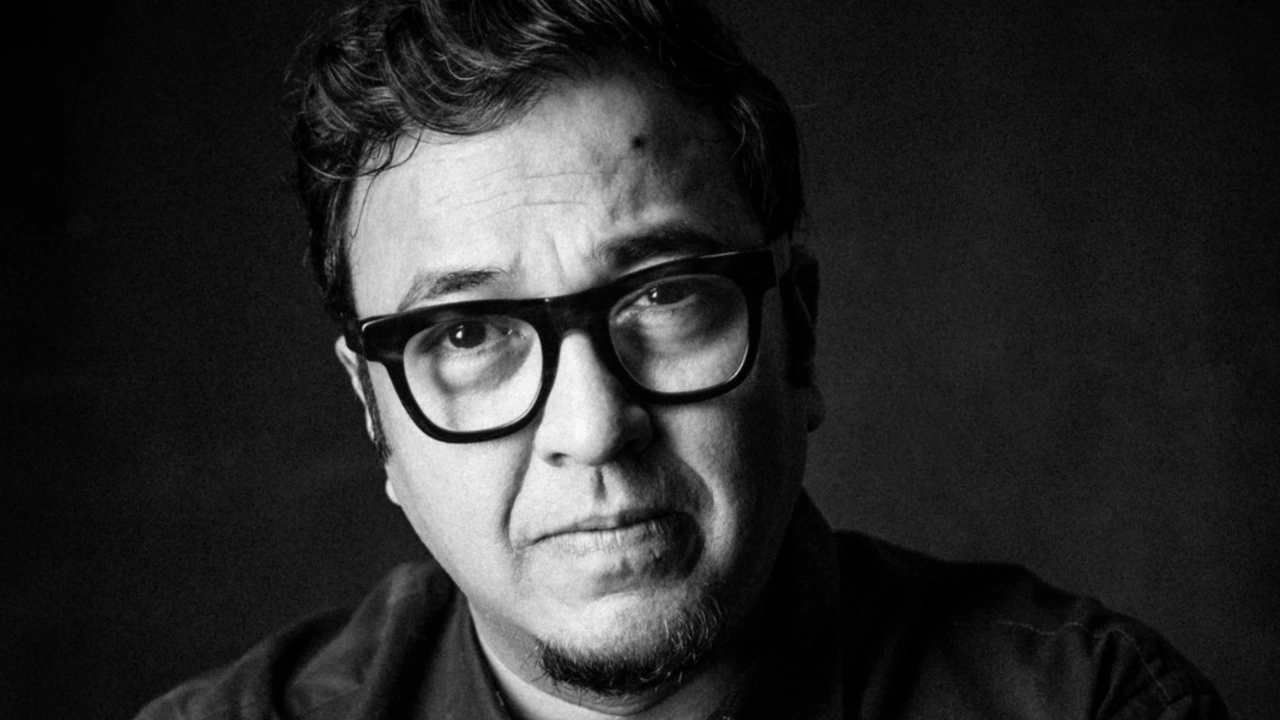
 Raj Kamble
From Bollywood to cricketers, influencers and now AI celebrities, we’ve spent four decades borrowing fame instead of creating it.
Advertising has only one emergency protocol.
No idea?
No problem.
Just add a celebrity.
We’ve been following this creative process for nearly 40 years. First came Bollywood. Then cricketers. Then influencers. Now AI celebrities are waiting in the wings. Every decade we discover a new shortcut. The only thing we haven’t rediscovered is courage.
Now, before the celebrity lobby starts sharpening their knives, let me be clear: I don’t hate celebrities. I hate lazy advertising.
Some of the greatest campaigns ever made were built around celebrities. But here’s the difference. They weren’t hired to rescue the idea. They were the idea.
That’s how it should be.
Write a brilliant script first. Then ask yourself, 'Who can take this idea to another level?'
That’s smart advertising.
Unfortunately, we’ve flipped the process.
Today the brief often begins with, “We’ve signed the celebrity. Can you write something around them?”
That’s not creativity.
That’s accommodation.
Somewhere along the way, we stopped writing campaigns and started writing around contracts.
The funny part is that consumers are no longer fooled. Nobody genuinely believes a superstar uses every shampoo, every fintech app, every SUV, every biscuit and every insurance policy they endorse. The audience knows exactly what happened. Someone signed a cheque. Yet clients continue to believe they’re borrowing trust, when in reality they’re often just renting attention.
Attention is not belief.
Fame is not persuasion.
And a famous face is not a substitute for an original thought.
The irony is that celebrities are often the easiest people on the shoot.
It’s everyone around them that’s exhausting.
The manager.
The business manager.
The stylist.
The hair stylist.
The makeup artist.
The image consultant.
The digital team.
The PR team.
The assistant.
The assistant’s assistant.
Suddenly a four-hour shoot becomes a 12-hour production. Three hours disappear into makeup, wardrobe and approvals. Another hour vanishes because someone doesn’t like the colour of the jacket. The product gets less attention than the hairstyle.
And somehow everyone has an opinion.
Except the idea.
Here’s another thing that has quietly disappeared from advertising: real people.
Even when we don’t cast celebrities, we cast celebrity-looking people.
Walk into almost any Indian commercial and everyone is impossibly attractive. Perfect skin. Perfect teeth. Perfect homes. Perfect children. Perfect lighting. We don’t cast India anymore. We cast Instagram.
The people buying the product rarely look like the people selling it.
The campaigns feel polished.
They just don’t feel true.
Then there’s our second addiction: emotion.
Somewhere, clients became convinced that emotional advertising is the only advertising that works. So every script arrives with a piano track, a grandfather, a child, a slow smile, a tear and a logo.
Humour, meanwhile, has become an endangered species.
Every few years a genuinely funny commercial breaks through. It gets shared everywhere. The brand wins. Award juries applaud it. The industry celebrates it.
And then… everyone goes back to making another emotional montage.
Advertising doesn’t copy success.
It copies safety.
Which brings me to the next celebrity.
Artificial intelligence.
Soon brands won’t need Bollywood stars or influencers. They’ll have AI celebrities. Perfect faces with perfect behaviour. They won’t age. They won’t have scandals. They won’t cancel shoots. They won’t demand vanity vans. They’ll speak every language, work 24 hours a day and never ask for another endorsement fee.
Clients will love them.
Management companies won’t.
But here’s the uncomfortable question.
If your AI celebrity disappears tomorrow, would your campaign still work?
If the answer is no, you don’t have an idea.
You have software.
The greatest irony is that India’s most memorable advertising celebrities weren’t celebrities at all.
The Complete Man.
The Amul Girl.
The ZooZoos.
They weren’t famous before advertising.
Advertising made them famous.
That used to be our superpower.
We created culture.
Today, we’re content renting it.
Maybe it’s time we stopped asking, 'Which celebrity can save this campaign?'
And started asking, 'Is this idea good enough to survive without one?'
Because celebrities can amplify a great idea.
They can never replace one.
And if they can, perhaps there wasn’t an idea there in the first place.
(The author is founder and CCO, Famous Innovations.)