
 Subscribe
09 Apr 2026 10:08 AM
‘More than cricket, sycophancy is the number one game in the country'
Cyrus Broacha, anchor, theatre personality, comedian, political satirist, columnist, podcaster and author, on the current ‘media landscape'.
Rob Johnson, managing director - audiences, England and Wales Cricket Board (ECB), chats with us about expansion plans, and how the demand for cricket remains strong in England.
Jul 22, 2026, 10:17 am

 Rob Johnson
Rob Johnson, managing director - audiences, England and Wales Cricket Board (ECB) was among the speakers at the Cannes Lions International Festival of Creativity 2026, during which we caught up with him to chat about various topics including the negative press the league received, as well as its reach across markets like India, in which JioStar has acquired the linear and digital broadcast rights.
When The Hundred was launched in 2021, it was met with considerable scepticism. Recently, Lalit Modi also raised question marks around the tournament succeeding. The 100-ball format was seen by some as an unnecessary addition to an already crowded cricket calendar.
Five seasons on, the England and Wales Cricket Board (ECB) believes the tournament has established a distinct place in the cricket ecosystem.
“While there could be negativity from the press and traditional cricket fans, one looks and sees 5,00,000 fans coming in to watch the games every season,” said Johnson.
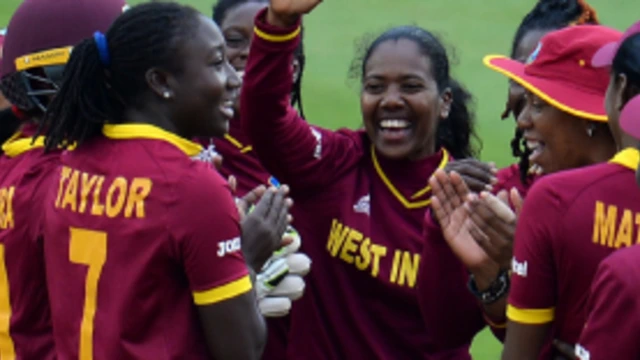
Johnson points to the presence of families, women and younger fans as evidence that The Hundred is reaching audiences who may not otherwise engage as closely with cricket. He also rejects the idea that this necessarily puts the tournament in direct competition with T20 cricket.
“We are so lucky we have different formats in cricket, and I love each one of them, whether it’s Test cricket, T20 or the ODIs,” he said. “I take my parents to Test cricket. I might take my two little girls to The Hundred, while I could go with my friends for the T20 league.”
That raises a broader question for cricket as the sport continues to expand its calendar: how much is too much? In India conversations around cricket fatigue have become increasingly common. However, according to Johnson, the situation is different in England.
“The demand for cricket in England has never been stronger,” he said, pointing to growth across both men's and women's cricket. The challenge, he believes, is to ensure that different formats offer audiences distinct reasons to engage rather than simply adding to the volume of cricket available.
The Hundred's 27-day schedule, which falls during the school summer holidays, is one part of that strategy. Its relatively short duration and accessibility are intended to make it an entry point for newer audiences.
That audience proposition has also opened up a different conversation with advertisers. Johnson says cricket's commercial relationships have historically been concentrated in categories such as financial services, with the sport also having a long association with alcohol and tobacco advertising. The Hundred, he argues, has created an opportunity to bring in brands looking to reach families and younger consumers.
Whether that proposition can translate into a globally recognised sports property, however, remains an open question. The Hundred is still relatively young, and Johnson acknowledges that building a league with international stature will take time.
“We want to be shoulder to shoulder with the big cricket tournaments and the big sports events in the world, which include the likes of Wimbledon, the NFL and the NBA,” he said.
The Hundred kicked off on 21 July.
Catch the full conversation with Johnson in the July issue of Manifest, which can be bought here.
Source: MANIFEST MEDIA