

 Subscribe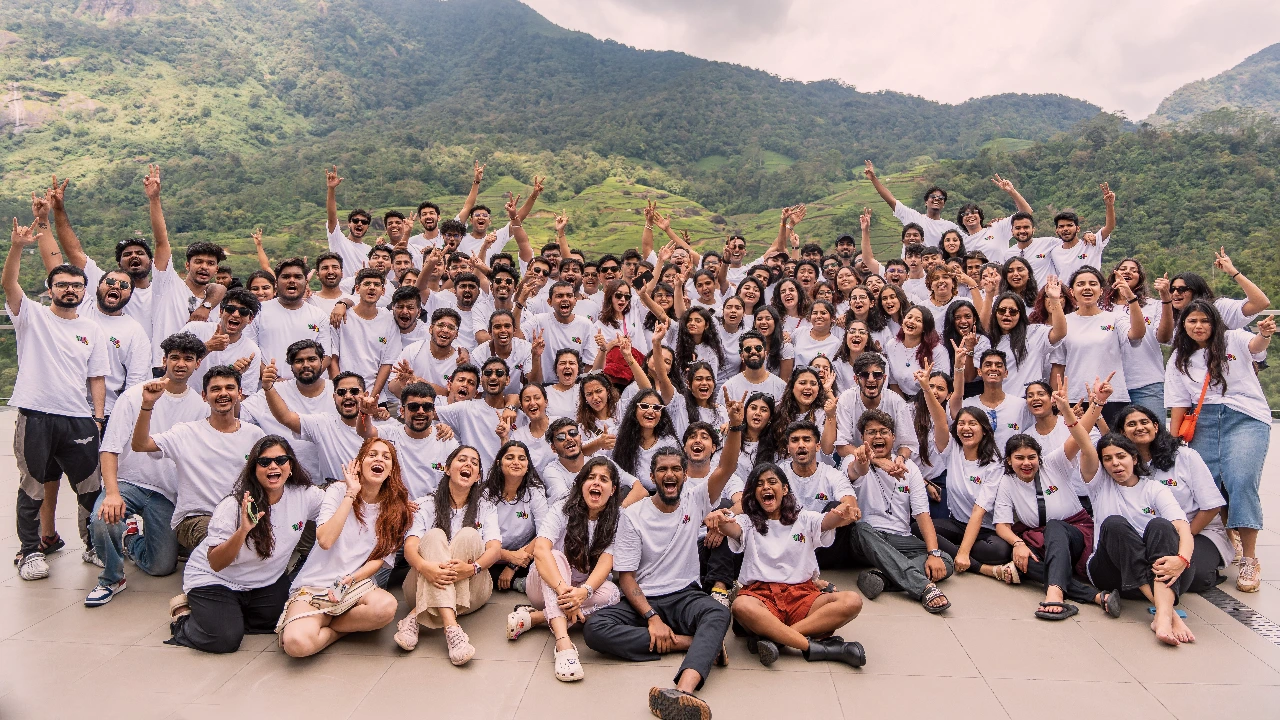
 Team WLDD
What began as a meme marketing outfit has evolved into one of India’s most difficult-to-classify creative companies. Driven by intellectual honesty, cultural instinct, and a deep understanding of internet behaviour, WLDD has built a reputation for turning brands into participants in culture rather than observers of it.
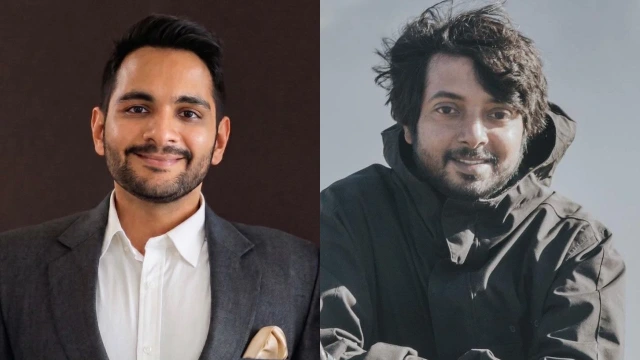
When WLDD launched in 2018, memes were still viewed with scepticism by much of the marketing industry. While many brands were debating whether the format was ‘brand-safe,’ its founder and CEO, Arihant Jain, saw an opportunity to engage audiences through the language they were already speaking online.
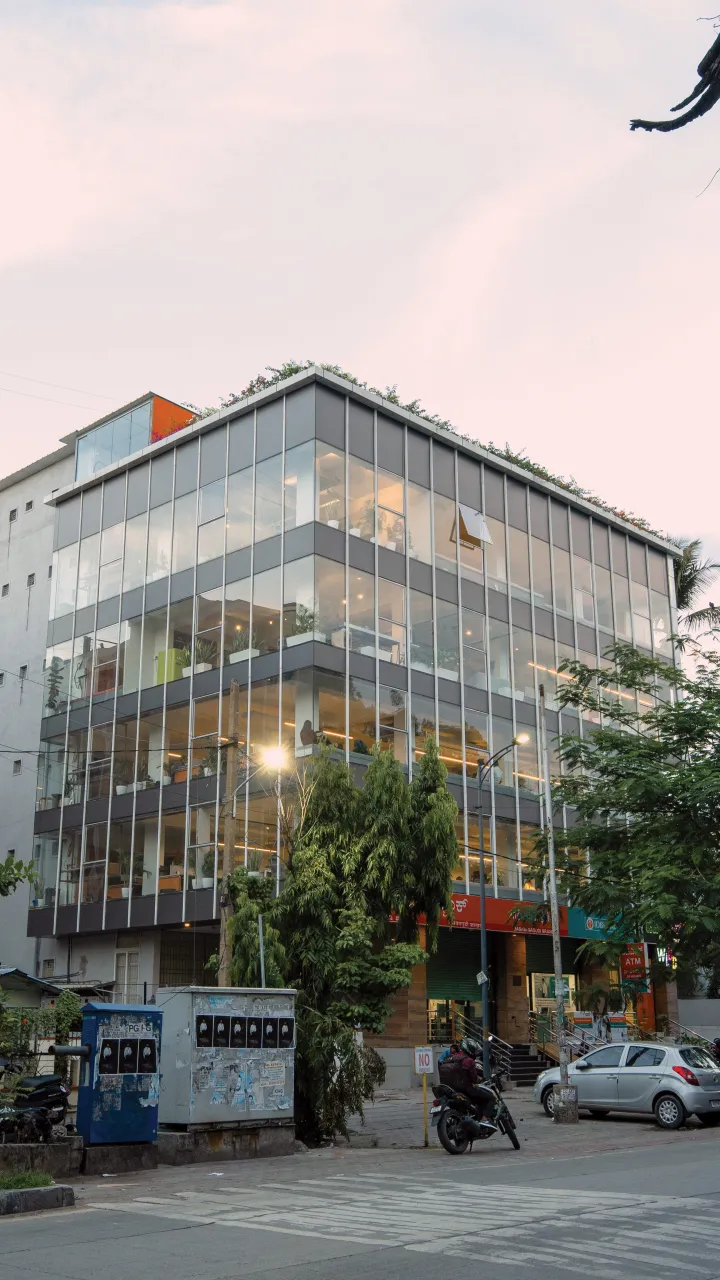
Since then, WLDD has grown far beyond its origins as a meme marketing specialist. Today, the company operates across Bengaluru, Mumbai, and Delhi with a team of around 300 people, supported by a wide network of collaborators. Yet despite its growth, the agency continues to resist easy categorisation.
For Arihant, that ambiguity is a positive sign. It reflects an organisation that has evolved alongside internet culture rather than being confined by a single discipline or service line.
At the heart of WLDD’s culture is a commitment to what Arihant describes as intellectual honesty.
“We have a strong bias against pretending,” he said. “If something isn’t working, someone says it out loud in the room, not in a corridor afterwards.”
The philosophy stems from the agency’s experience building systems, processes, and ways of working in an industry that often lacked established playbooks. Over time, WLDD developed a culture that values directness, accountability, and the willingness to challenge assumptions, including its own.
“We call it intellectual honesty, but really it’s just not tolerating nonsense, including our own,” Arihant added.
That mindset extends directly into the agency’s creative approach. As an independent company, WLDD operates without the influence of holding company mandates, global templates, or network priorities. According to Arihant, freedom allows the agency to focus entirely on what is right for the brief, the audience, and the brand.
“Every call on culture, on format, on values, on whether a brief is even worth taking is ours,” he explained.
For WLDD, creative freedom goes beyond ideation. It is the ability to challenge assumptions, redefine problems, and advise clients honestly, even when that means recommending a different path than the one originally proposed.
The agency’s perspective is also deeply shaped by its Indian roots. Arihant believes WLDD’s understanding of jugaad goes beyond the popular interpretation of resourcefulness and operates as a broader creative and execution philosophy.
India, he argues, rarely offers perfect conditions. Instead, it rewards adaptability, speed, and the ability to build meaningful outcomes from imperfect circumstances.
“We’ve built distribution systems, content formats and business models out of constraints most Western agencies would have used as an excuse to walk away,” said Arihant.
That understanding of culture and behaviour has informed some of the agency’s most notable work. For JioHotstar’s Chiraiya, WLDD built conversation almost entirely through third-party social channels rather than paid media, helping the show become the most-watched OTT title of 2026 according to Ormax while generating more than 1.1 billion views across platforms.
For ChatGPT during the IPL season, the agency created a social-first ecosystem of culture pieces, behind-the-scenes content, and fan-generated creative work that made the brand feel deeply embedded within the tournament.
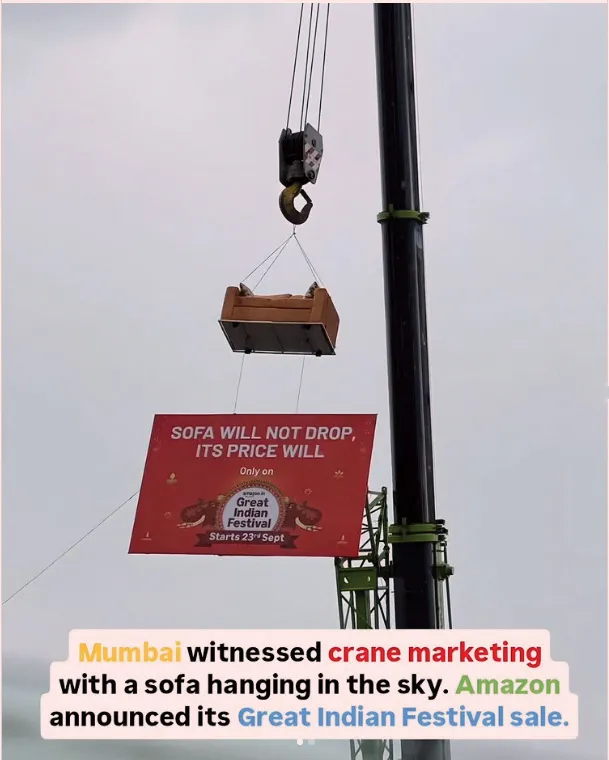
Similarly, Amazon’s The Furniture Drop transformed a festive sale into a public spectacle by suspending furniture from cranes across Mumbai, generating more than 80 million organic impressions and widespread user-generated content. Meanwhile, WLDD helped Tata Sierra’s return after 35 years become a cultural moment, generating over 315 million views, 5,000 organic UGC posts, and overwhelmingly positive sentiment across digital platforms.
Arihant believes one area where brands can improve is patience. While companies increasingly recognise the importance of culture-led marketing, many still underestimate the time required to build genuine relevance.
“I’d want more clients to bring a SIP mindset to building culture-first brands and trust the time it takes to build something real,” he expressed.
According to Arihant, some of the agency’s strongest work emerged when clients provided a clearly defined problem and then gave ideas enough room to develop naturally within the culture.
As brands continue searching for relevance in an increasingly fragmented digital world, WLDD remains focused on helping them earn attention rather than simply buy it. By combining cultural intelligence, creative experimentation, and an uncompromising commitment to honesty, the agency is proving that the most effective way to participate in culture is to genuinely understand it.
This article was part of a special focus on Indian independent creative companies circulated alongside Manifest's June issue, which can be bought here.
For a one-year subscription, use the below link.
We also have a six-month subscription. Get it here.
For any subscription-related queries email [email protected]