
 Subscribe
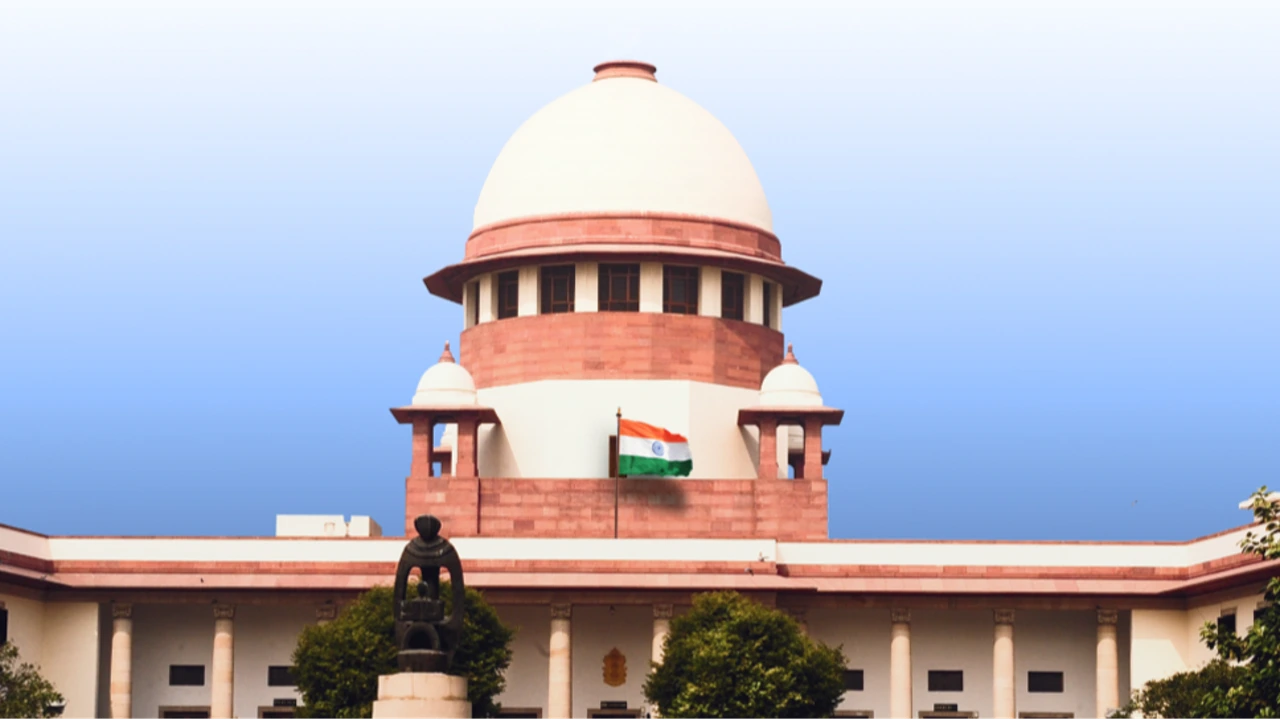
 The case is due to be heard by the Supreme Court on Tuesday, according to Reuters.
A group of 21 Indian news publishers, including media companies owned by billionaires Mukesh Ambani and Gautam Adani, has challenged the government’s digital privacy law in the Supreme Court, arguing that it could undermine investigative journalism and expose journalists’ sources, according to a Reuters report.
The lawsuit, filed on 6 October by the Digital News Publishers Association (DNPA), challenges provisions of the Digital Personal Data Protection law that are due to take effect from May 2027. The group has sought to have key provisions struck down, arguing that news publishers have not been granted specific exemptions to protect journalistic work.
The DNPA’s members include Ambani-owned Network18, Adani-owned NDTV, The Indian Express and Times Internet, part of the Times of India group, Reuters reported.
A key concern is the law’s consent requirement. The DNPA has argued that requiring journalists to notify people they are investigating and obtain their consent could allow subjects to destroy evidence or intimidate witnesses. It has also raised concerns that provisions allowing individuals to withdraw consent and demand the erasure of their data could force publishers to remove or substantially redact factual news reports.
The association has further argued that the law gives the government broad powers to demand information from organisations handling personal data. According to the filing reviewed by Reuters, these powers could expose confidential communications between journalists and their sources, including whistleblowers sharing information about corruption, corporate wrongdoing or electoral malpractice.
The challenge follows discussions between media companies and the government in August, when publishers were reportedly assured that the law would protect press freedom. However, the DNPA said the absence of a written exemption for journalists remained a concern, citing protections available in jurisdictions including the European Union, Singapore and the UK.
The DNPA’s petition follows earlier legal challenges to the law. Separate petitions by journalists and transparency activists have raised concerns about its implications for the Right to Information (RTI), investigative journalism and safeguards around access to personal data. These challenges form part of a wider legal dispute over the law’s impact on transparency and press freedom.
The case is due to be heard by the Supreme Court on Tuesday, according to Reuters. It is among the most prominent legal challenges to the privacy law to date, following earlier petitions by transparency activists, journalists and smaller news outlets.
India’s government has maintained that it respects press freedom and has described the country as having a vibrant media ecosystem. The legal challenge comes amid wider concerns about press freedom in India, whose ranking in Reporters Without Borders’ World Press Freedom Index fell to 157th out of 180 countries in 2026, from 140th in 2014.
The government has rejected the rankings.
The DNPA, the publishers involved and India’s information technology ministry did not respond to Reuters’ requests for comment, the report said.