
 Subscribe
 Bikram Basu
In a category where restrictions on alcohol advertising limit how spirits brands can communicate directly with consumers, brand-led experiences and properties have become an important way to build visibility and showcase portfolios.
For ABD Maestro, the luxury spirits company and subsidiary of Allied Blenders and Distillers, its Bar Maestro platform offered a way to put its brands in bartenders' hands, build engagement around cocktail culture, and spark brand conversations within the on-premise ecosystem.
But the scale of its first edition also points to a broader opportunity. The seven-city competition received more than 350 entries from bartenders across the country, with 160 shortlisted for the second round and 16 reaching the national finale in Mumbai. The participants ranged from bartenders at established bars to emerging talent from across the country.
Launched in June, Bar Maestro was designed as a three-stage platform that sought to give bartenders a national stage to showcase craft, creativity and regional storytelling, while putting ABD Maestro’s portfolio at the centre of the experience.
The first edition culminated in Mumbai on 27 August.
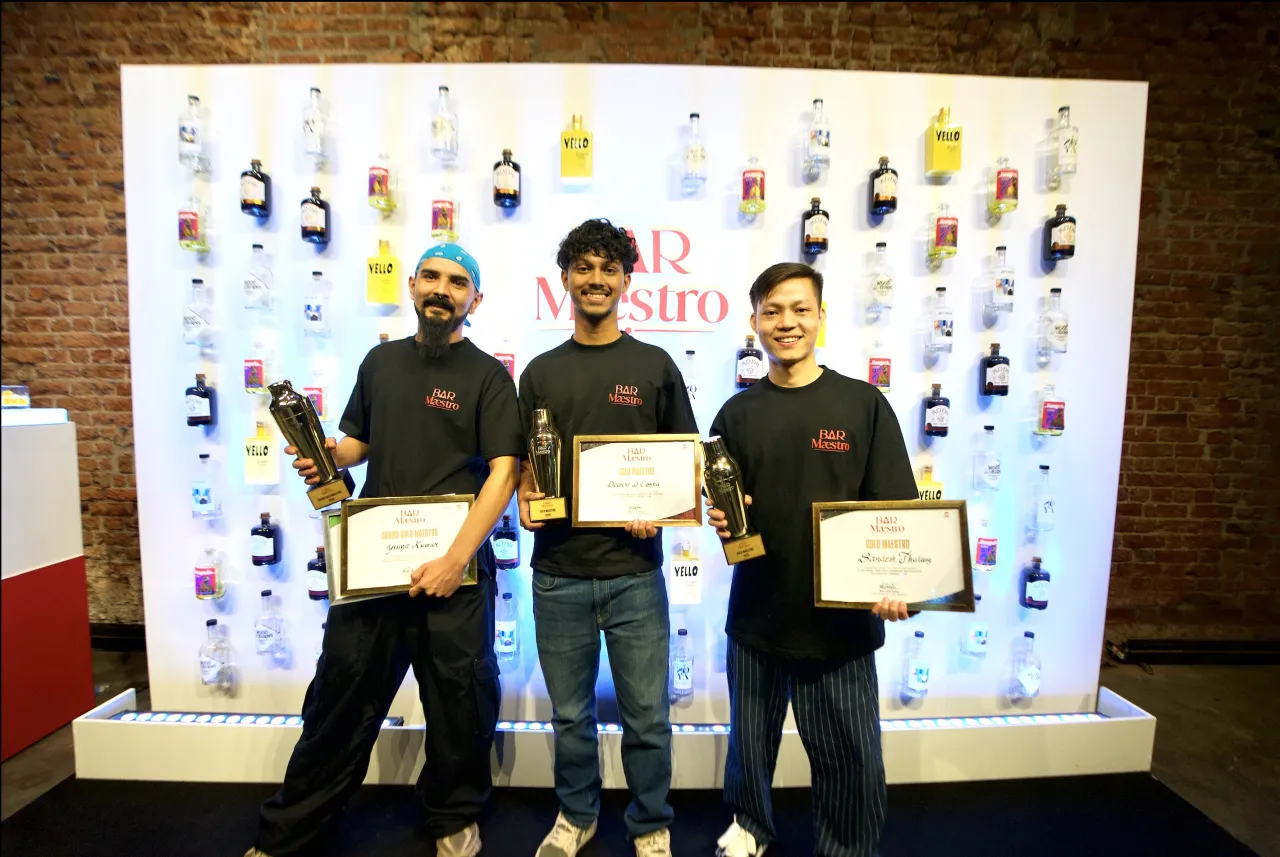
From left: Bar Maestro winners Yumit Kumar of The First Floor, Delhi; Delbert D’Costa of Mofo, Goa and Sandesh Thalang of Sidecar, Delhi.
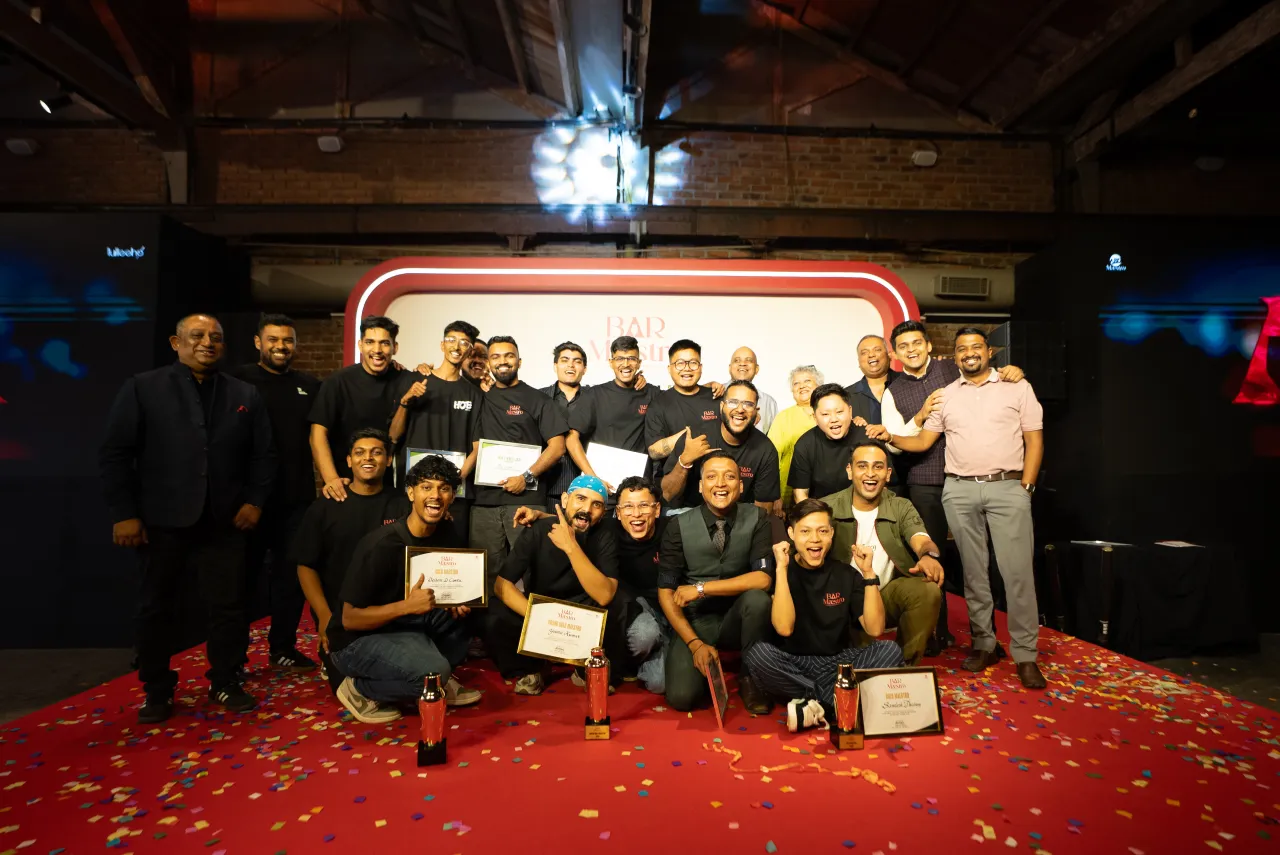
Finalist of Bar Maestro
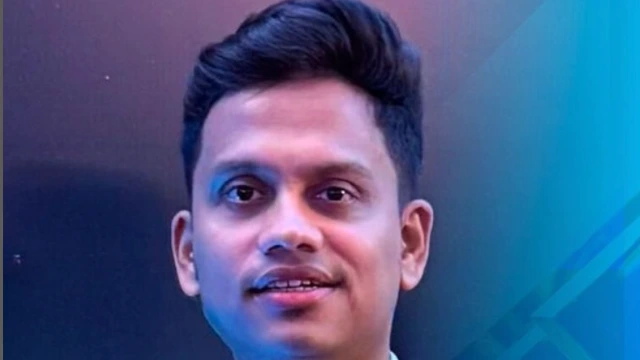
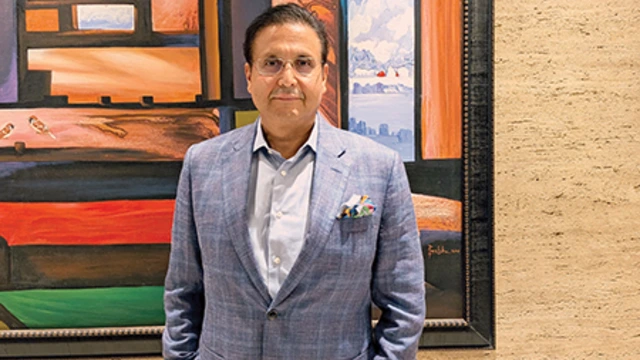
For ABD Maestro, however, the larger opportunity lies in building the ecosystem around the bar itself. Talking to Manifest at the grand finale, Bikram Basu, vice chairperson, ABD Maestro, shared the company’s strategy behind Bar Maestro, the role of bartenders in building brand advocacy, the evolution of India’s cocktail culture and the opportunities emerging in the country’s bar ecosystem.
Edited excerpts:
What is ABD Maestro ultimately trying to build through Bar Maestro, and how does it fit into the brand’s larger marketing strategy?
The wider thought behind this property was to work with the bartending community. There's so much talent in the country that we wanted to engage and give a great platform for bartenders to come through, get recognised and rewarded, because that will help the business ecosystem overall. And we are seeing that happening, and we see the change in the country.
And I don't think it can just be Bar Maestro or one or two other properties. The more people and companies that come forward to work with the bartending community, the more it will help the ecosystem grow. And, ultimately, that growth will benefit our businesses as well.
With several brands from your portfolio featured on Bar Maestro, how does the property help build brand awareness and scale these brands further?
It helps because it gets Woodburns, Zoya, and Rangeela top of mind. People also get accustomed to Arthaus. We have a whole portfolio for the bartenders to venture into, and it becomes a part of the conversation. It's part of what they're doing.
It's not about the six or ten minutes when they're competing. It's about the previous evening. It's about the previous week. It's about them having competitions. So, in a way, it just helps ingrain our products a bit better, and they're understanding our products a bit better.
Why do you think bartenders and cocktail creators have become such important cultural voices for premium spirits brands? Can they influence how consumers perceive and experience a brand beyond the bar?
It’s both ways. I think Gen Z and millennials are looking at different drinks. They’re not really hard to please; they have a far wider repertoire than previously. When they walk into a bar, they actually look at what brands are there, what goes into a drink, which is the sweeter one, which is the bolder one. So the bar has to keep up with that. They need good bartenders.
From a business point of view, the bar is also generating a much larger margin for the business.
There’s a method to the whole thinking behind it. It takes bartending out of just being ‘cute or a fad’ because bartending means serious business. It allows for innovation, it allows talent to come through, and it allows for an ecosystem which may have started from Delhi and Mumbai and then gone to Bengaluru and Pune. In the last three years, I’d say Kolkata has come in. We’ll soon have Jaipur, Guwahati, Dehradun and Indore join the conversation too.
This creates a whole culture and a whole service industry. It gives a lot more people employment. It’s not only about the bartender; it’s about the person who is serving the ingredients.
It’s also underrepresented because it’s still very small, but it will go big. People will continue to go to big clubs and bars, but one will also see a rise in the neighbourhood pub, which is already there globally.
They don’t have to be the swankiest or most expensive bars. The neighbourhood bar will also have this opportunity. And it will be women-friendly, not only as a consumer but even behind the bar. Today, if we see many more men than women as bartenders, trust me, in three to five years that will change. We’ll have at least 40% women.
Are spirits brands having to move beyond traditional product-led advertising towards experiences, communities and culture to remain relevant? Where does bartender-led storytelling fit into that evolution?
It’s about talking to the bartending community because, frankly, each of these people can become your advocates. They also have an audience and a fan following, so they can become advocates. Advocacy is not easy, and in the dark pockets where we operate, advocacy is very, very important.
Our products are good, but to give that final push, we need that advocacy. For us, consumers are faceless all over the country, but to a bartender, the consumer has a face.
Some of them mentioned, while talking to the jury, that one key job when making a cocktail is to read the room. A guy making a cocktail using a term like ‘reading the room’ is something I found pretty interesting. It means understanding which table is boisterous, who is the person you can come up to and talk to, and what would be good for this table versus what would be good for the other table. That ability to read the room is important.
With the festive season being a key consumption period, how is ABD Maestro approaching the season?
During the festive season, we look at limited-edition packs, gifting and special offers. We also participate in the celebrations and show up in the spaces and occasions where people come together to enjoy themselves.
What does success for Bar Maestro look like beyond crowning today’s winners?
In terms of business, Bar Maestro has helped us gain entry into a lot of restaurant houses where we were already having conversations. It has helped us talk to the community of bartenders and also to the owners of those bars, because ultimately, the owners make the decisions. It’s helped us build something which I think is going to grow much more from here.