
 Subscribe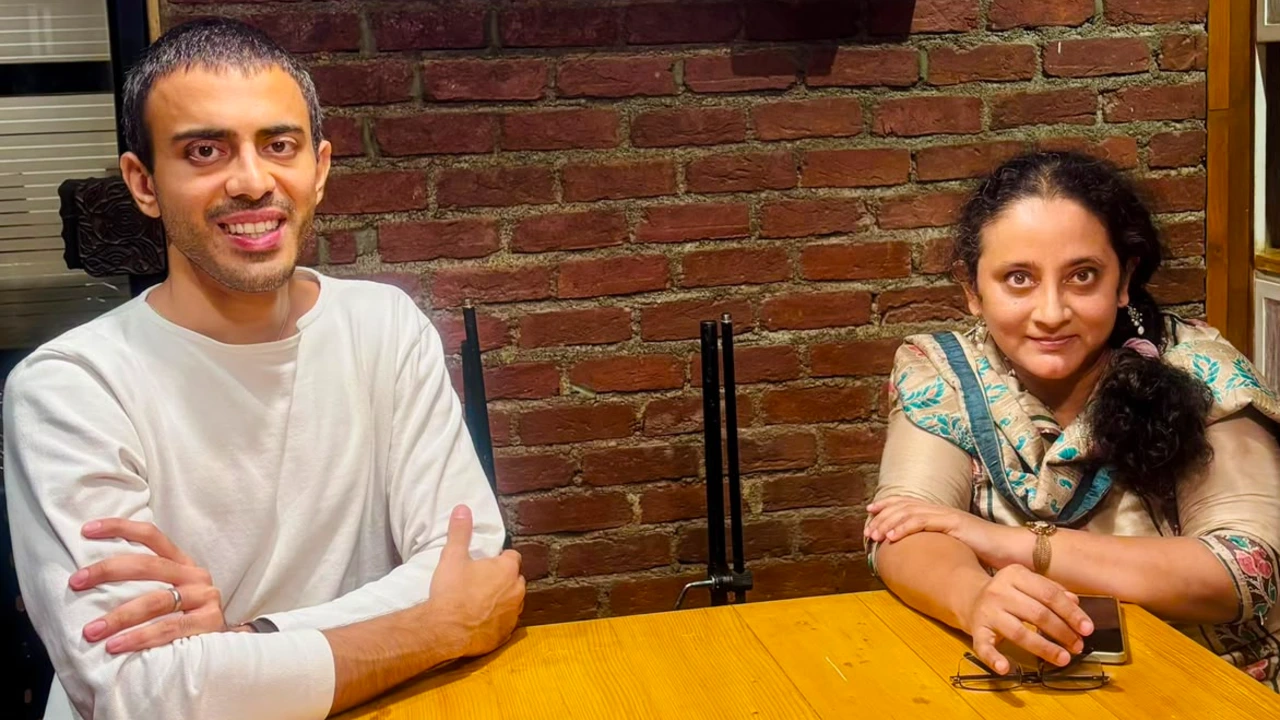
 Siddharth Purohit and Manasi Narasimhan
Siddharth Purohit, co-founder, Aazol, discusses his transition from management consulting to building a purpose-led food brand with his mother and co-founder, Apurva Purohit. The conversation traverses the brand’s origin story, the revival of regional Indian cuisines, building and marketing a D2C brand, lessons for entrepreneurs, and shines a light on why, ultimately, even the strongest social mission needs a great product to sell.
In the latest episode of Marketing Manifest Stations, host Manasi Narsimhan, head – brand and communications, Accelerate Indian Philanthropy and SCALE, chatted with Siddharth Purohit, co-founder, Aazol, a food brand sourcing traditionally made products from rural women communities across Maharashtra.
Purohit shared his journey of co-founding Aazol along with his mother and co-founder, Apurva Purohit (media veteran, who was most recently president, Jagran Prakashan), driven by their shared passion for food and social impact.
Speaking about what prompted him to leave consulting and start Aazol, Purohit said the decision stemmed from a desire to build something meaningful.
"I graduated outside the country, came back and worked as a management consultant for about seven years, and then felt the need to move away from professional life into something that I deemed more meaningful. At the same time, my mother was winding down her extensive 32-year-long corporate career, and it had been a dream for both of us to work together, especially in the social impact space.”
The duo explored many social impact businesses before coming up with the idea of Aazol, a food brand that sources traditionally made food products from rural women's communities across Maharashtra. Together, they aimed to create a business that champions the region’s traditional foods while generating livelihoods for the rural women.
“We bring employment at source, which is, I think, one of the most significant needs of our country," stated Purohit.
The inspiration for the brand came unexpectedly at the Mahalakshmi Saras exhibition, where hundreds of women's self-help groups showcase their products. What began as curiosity soon became conviction.
"We went there, tried their food, and were so blown away by its quality. We visited this exhibition for nine days out of the 14 that it was there - we were that impressed. That got us thinking: why don't we explore a public-private partnership with the state government to carry this forward? "
"The products were so excellent; however, they lacked consistent market access and proper packaging. They didn't know how to sell or market their wares, all of which I would consider our expertise," he added.
Although the proposed public-private partnership never materialised, the idea was too compelling to abandon. Purohit spent the next 18 months travelling across Maharashtra to identify and onboard women-led self-help groups, eventually launching the brand with around 30 products sourced from 20 communities.
Reflecting on the growing popularity of regional Indian foods, Purohit believes the trend is being driven by cultural pride, stronger domestic brands and rising purchasing power.
"I believe it's a three-pronged reason. One is that a lot of us are taking greater pride in knowing what our roots are. The second element is that more brands are confidently presenting ‘Made in India’ products – chocolates, coffee, cheese, as well as traditional foods. The third element is that people also have more money and the means to purchase. Also, the D2C infrastructure, including logistics companies and quick commerce, is much better. These three elements—cultural pride, the resurgence of Made in India products, and greater economic wealth across the country - are all coming together to create a virtuous cycle that allows all of us to thrive."
Regarding their marketing strategy, Purohit said the company has relied primarily on Meta and Google advertising.
He also stressed that founders must eventually take ownership of performance marketing rather than depending indefinitely on agencies.
"Initially we were very agency-led. Agencies help because they know how to get the initial quick bucks and increase ROAS (Return on Ad Spend) quickly. At the same time, what one should be doing is learning as much from these agencies. Once you hit a certain threshold, it's important to wrest back control of your platforms from these agencies and then start making it focused, targeted, and highly efficient. The learnings gained from the agencies, coupled with the knowledge about your brand and customers, is a very potent combination."
While digital drove growth, it was on-ground sampling that validated the business in its early years.
"Honestly, I don't think Aazol would have survived two years if it wasn't for direct markets or on-ground events. When we were able to present our products, sample them and see the live reaction of people, it was a tremendous affirmation that we were on the right path. Then there was word-of-mouth. These people became customers; they told others about it, and it became an important initial base to build from."
Despite the brand’s compelling social impact story, Purohit made it clear that purpose alone cannot sustain a consumer brand.
Concluding with advice for entrepreneurs building marketing-led brands, Purohit emphasised the importance of creating a distinctive identity, investing in compelling packaging and taking control of brand-building early.
Watch the entire conversation here:
Tune into the conversation on Spotify: