

 Subscribe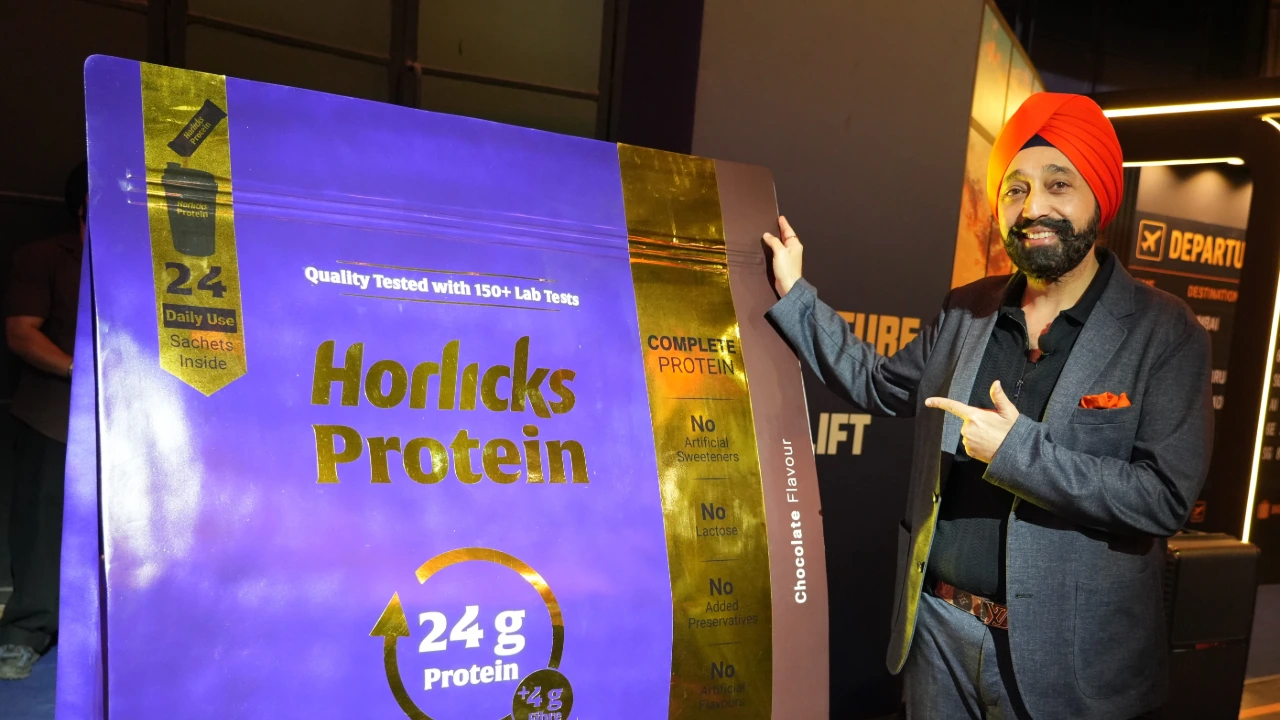
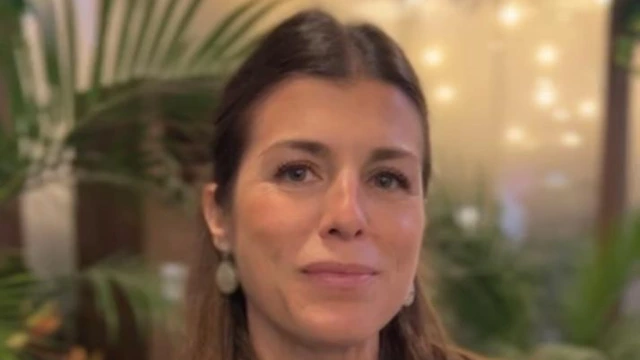
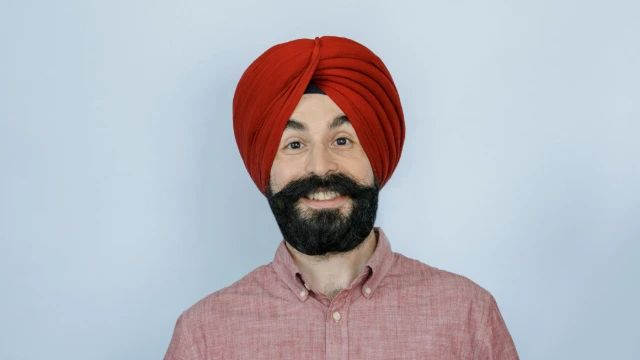
 Rajneet Kohli
Hindustan Unilever (HUL) has stepped up its presence in the protein category with the launch of Horlicks Protein powder.
As the brand looks to expand beyond its traditional health-drinks positioning and tap into the growing demand for everyday nutrition, Horlicks has positioned the product as an everyday source of high-quality protein, rather than one targeted only at gym-goers and sports enthusiasts.
We caught up with Rajneet Kohli, executive director - foods, Hindustan Unilever, to discuss the rationale behind the launch, the opportunity in the protein category and the strategy to drive wider adoption.
Edited excerpts:
What was the consumer insight that led Horlicks to enter the protein space, and what gap in the existing market are you looking to address?
Horlicks has been there for 153 years. It's a young brand and not an old one because it pivots every decade. It’s known for lifestyle nutrition, and that's one strategic pivot. Rather than just being in the healthy drinks space, we want to get into lifestyle nutrition, which is for every stage - whether it's for toddlers or kids, or for later stages in life with Horlicks Diabetes Plus, Horlicks Mother’s Plus.
Adult Horlicks was a space that we could clearly see. It’s coming from the fact that people know health is a currency, and they are looking for nutrition at that stage.
It was a natural extension for us to get into the protein powder space because we are a science-based brand with a super R&D setup, and have the backing of HUL, which brings in the trust. We brought out a very high-quality, yeast-based, fermented protein with nine essential amino acids. It's got prebiotic fibre, because that's what is more important. It's not just the quantity of protein; it's the quality as well, because if one has good gut health, then it takes care of the protein and absorbs it better.
The third factor is about ensuring that it's practical for everyday use. The protein powder is not only aimed at gym-goers or people into sports or athletics. This is for everyone, including them as well. The insight was that life is a gym, and your real day is a real workout. So, getting through a day is when you need protein the most. That’s the reason we got into this space with the right combination and right format.
There has been a significant influx of products positioning themselves around protein - from beverages and nutrition products to snacks and dairy. How does Horlicks Protein differentiate itself in an increasingly crowded market?
Firstly, all other companies are great, and it's good that they're all being evangelists for protein because the penetration of protein in India is still 3%. Only 3% of households are actually consuming protein, which is very low.
There are four barriers to this. The first one is the perception of people not needing it. People think that because they don't go to the gym, or go very irregularly, or have non-vegetarian food, dal or paneer - their protein needs are being managed. The mindset and awareness part is a big barrier.
Second is the taste. People who are consuming it sometimes find it chalky or bulky and end up not continuing with it. The third barrier is digestion, where people think it causes things like bloating because they are not gut-friendly. The fourth barrier is trust.
That is where Horlicks comes in, and we have built our product around this. We are going to build awareness that is required for everybody on an everyday basis. That's the big drive that we're going to grow for. That's a USP. The second is high-quality protein with prebiotic fibre, which means gut-friendly. Third is taste because, at the end of the day, you have to have a taste as well. And coming from the house of HUL and Horlicks, it builds trust. Even the price point of the product is affordable. With our R&D research, we found that it is less than INR 85 per serve and only has 139 calories.
Who is the core consumer you are targeting with Horlicks Protein? Is the ambition to attract existing Horlicks consumers, younger consumers, or entirely new households?
It is not just about the people who are already consuming it, but also expand the category. We will use different channels like content creators and nutritionists to talk about the science of this, because it’s not the quantity of protein but the quality. What's going on behind it is something that we need to tell people and coach people as well. We will use influencers and go through a real set of people who are using it, and the required channels, whether it is Meta, Instagram or YouTube. It's more targeted at making people aware that it is there for everyday nutrition and is for everyone.
What will the go-to-market strategy look like across general trade, modern trade and e-commerce?
Currently, when we look at consumers in India, as HUL, we look at the pyramid of India. There are the power spenders, as we call them, which are like the per capita of France.
We have products at every range of price points. For Horlicks Protein currently, for the power spenders, they normally go through e-comm and q-comm channels first. And there are specialist channels like chemists. We are ensuring that whether it's performance marketing or influencer marketing, or online digital channels. we reach the consumers. As and when things will progress, we will use the actual strength of all kinds of channels.
How do you see this product expanding or modernising the brand’s relevance?
The brand's got 153 years of legacy; there has to be something that the brand must be pivoting every couple of decades.
So it's a very natural extension to be in protein in a different format. What the consumer needs is what we are here to satisfy. Today, consumer needs are in different formats. So that's the work that Horlicks will do, and it will contemporise the current brand as well. Since we're known for nutrition, it was a very natural extension to happen.
Will you be launching any new products in this space or introducing a new category?
At this stage, getting Horlicks Protein right is JBTD - the biggest job to be done, as we call it at HUL. We have it in different formats and packs — it's a pack of 28, and there are other packs and different formats. We will keep growing based on the requirements that come from consumers. But at this stage, just focus on this.
We have done some expansion in other categories, though. For instance, in Kissan, we've expanded into chutneys; in tea, we've expanded into instant tea. So, in every category, we're looking at getting into extensions of the brand. And again, being true to the macro factor in the strategy that we have of winning in New India, that's where we're working.
What are the key metrics you will look at to determine the success of the product?
The only big metric is penetration. It's not about competitive share. It's such a small market at this stage. If we are able to get this mainstream, we're able to expand penetration, and we've done that in many categories in the past. For instance, with Kissan Ketchup, we taught India, a non-ketchup eating country, to eat ketchup. Second is the frequency with which people keep coming to it.
Having worked across some very different consumer businesses, what do you think is the single biggest mistake brands make when trying to stay relevant to today's Indian consumer?
There are three key factors to it. Firstly, brand relevance. When people forget the core- what's the purpose of the brand and what it stood for. If one forgets that and are just into innovation for the sake of innovation, it doesn't matter. Then that's where things go wrong because it takes years and years of trust and work that builds up to bring the brand out.
Second, in food and beverage, taste and nutrition are supreme. So it has to be tasty, and it has to be nutritious as well. It has to be a balance of that to provide to the consumer. And clearly, a high-quality product. Because if it's not high quality, you can do the best of the marketing, the product will not stand. Third is to keep building trust. Trust has to be earned every day, especially in the food and beverages industry. Consumers will pardon bad communication or bad advertising. They'll never pardon a bad thing or product.