
 Subscribe
 Shivashish Tarkas
South India has increasingly become an important market for influencer marketing, offering brands access to diverse and serious audiences, powerful regional creators and significant opportunities for consumer engagement. From FMCG, beauty, technology, fashion and even the new-age D2C sector, brands are today actively investing in regional campaigns to strengthen their presence and drive sales.
While we are seeing this demand and the growing interest, one fundamental problem continues to affect the way brands approach the South Indian market: the tendency to treat South India as just another region to execute campaigns in, rather than a market that requires its own strategy, expertise and long-term commitment.
This way of looking at execution is affecting the brand's strategy a lot. The campaigns may get executed, influencers may post the content, and reports may be submitted, but does that automatically mean the market has been built, the audience has been influenced, or the brand has established a meaningful connection with consumers? Not necessarily. And this is where the hidden cost begins.
South India is a market to build, and not just a campaign to execute. There is a common perception among brands and agencies that South India is a difficult market to penetrate. While this is true, to an extent, the approach also matters. Consumer preferences, language, cultural references, purchasing behaviour and audience expectations can differ considerably across Tamil Nadu, Kerala, Karnataka, Andhra Pradesh and Telangana. A difficult market is not necessarily an inaccessible one.
It is a market that requires patience, consistency and a deeper understanding of its consumers.
When a brand enters a new regional market, audience acceptance may not happen overnight. Depending on the product, category, pricing and existing brand awareness, the initial response may be limited or even negative. With consistent communication, relevant creators, culturally appropriate messaging and sustained engagement, that perception can gradually change. The problem arises when brands expect immediate results without being willing to invest the time required to establish themselves.
Brands cannot expect a market to accept it overnight when there has not been enough investment of time in understanding the market itself. Building regional relevance is a process. It requires learning, adaptation and a willingness to stay invested beyond individual campaign cycles.
The problem is not just the market. It is the partnership
One of the biggest challenges is the absence of a genuine regional influencer marketing partner who understands the market beyond its creator database. There is a significant difference between identifying influencers in South India and understanding how influencer marketing should work in South India.
The former involves finding creators, negotiating rates, coordinating deliverables and getting campaigns live. The latter involves understanding the audience, identifying the right creator communities, developing culturally relevant communication, anticipating consumer responses and building a strategy that can evolve over time.
Unfortunately, many brands and national agencies approach regional execution by looking for an agency that can simply get the work done.
A post on LinkedIn asking for an agency in the South, a message in a WhatsApp group requesting influencer contacts, or a recommendation from an industry acquaintance may help identify potential partners. But none of these, by themselves, establish whether an agency has the expertise to build a market.
The question should not merely be, "Can this agency execute our South India campaign?"
It should be, "Can this agency help us understand, enter, and sustainably grow in this market?"
That distinction can determine whether a brand creates lasting regional relevance or simply completes another campaign.
A campaign executed is not a market established
A brand may engage a national agency that already manages its pan-India mandate. That agency, in turn, may outsource the regional influencer component to a local partner or coordinate directly with creators. There is nothing inherently wrong with this arrangement. Outsourcing can be effective when responsibilities are clear, and the regional partner has the necessary expertise.
The problem is assuming that an existing agency relationship, combined with access to local influencers, is sufficient to guarantee regional success. Influencer marketing is not simply a distribution exercise. It involves understanding why a particular creator would influence a particular audience, how a product should be communicated, what cultural context matters and how repeated exposure can shape consumer perception.
A campaign can meet every execution deadline and still fail to establish meaningful brand recall. It can generate views without building trust. It can deliver engagement without translating that engagement into consideration or purchase intent.
Without a clearly defined regional strategy, campaigns risk becoming disconnected activities rather than part of a sustained brand-building exercise.
This is particularly important for brands that are well established in North, East or West India, or internationally, but are still developing their presence in specific South Indian markets. Their existing reputation does not automatically translate into regional acceptance.
Being a national brand does not mean you are already a locally relevant brand.
Regional expertise cannot be replaced by a creator list
Another misconception is that an agency becomes a South Indian influencer marketing specialist simply by executing campaigns with creators from the region.
Market expertise requires more than a list of influencers and a record of completed deliverables. It requires an understanding of how the regional ecosystem operates, how creators communicate with their audiences, how brand messaging should be adapted and how campaign performance should be interpreted within the local context.
Tamil Nadu cannot automatically be approached in the same way as Kerala. Karnataka cannot be treated as interchangeable with Andhra Pradesh or Telangana. Even within a single state, audiences can differ by language, geography, cultural context and category.
A partner who understands these distinctions can help a brand make informed decisions. A partner who does not may simply replicate a national campaign with regional creators and assume the job is complete.
Brands and the larger agencies holding campaign mandates must therefore evaluate regional partners on demonstrated experience, the quality of their previous work, their understanding of local audiences and their ability to explain the strategy behind their recommendations.
Word of mouth can be a starting point, but it should never replace due diligence.
South India deserves a strategy of its own
The answer is not to isolate South India from a brand's national strategy. It is to recognise that a national strategy must accommodate regional realities. Brands need partners who can combine local market knowledge with commercial understanding, creative thinking and long-term planning. They need agencies willing to challenge assumptions, explain why a particular approach may not work and recommend strategies based on evidence rather than convenience.
Most importantly, they need to recognise that regional influencer marketing is not merely a task to be outsourced. It is an investment in consumer understanding and brand building. South India does not necessarily need more campaigns. It needs campaigns that are better conceived, more culturally relevant and connected to a larger commercial objective.
The real question for brands is no longer whether they should invest in South India. It is whether they are investing in the right way.
Because the hidden cost of getting South India influencer marketing wrong is not just the money spent on a campaign that fails. It is the opportunity to build a market that was willing to accept your brand, had the potential to grow with it, and was never given the right reason to do so.
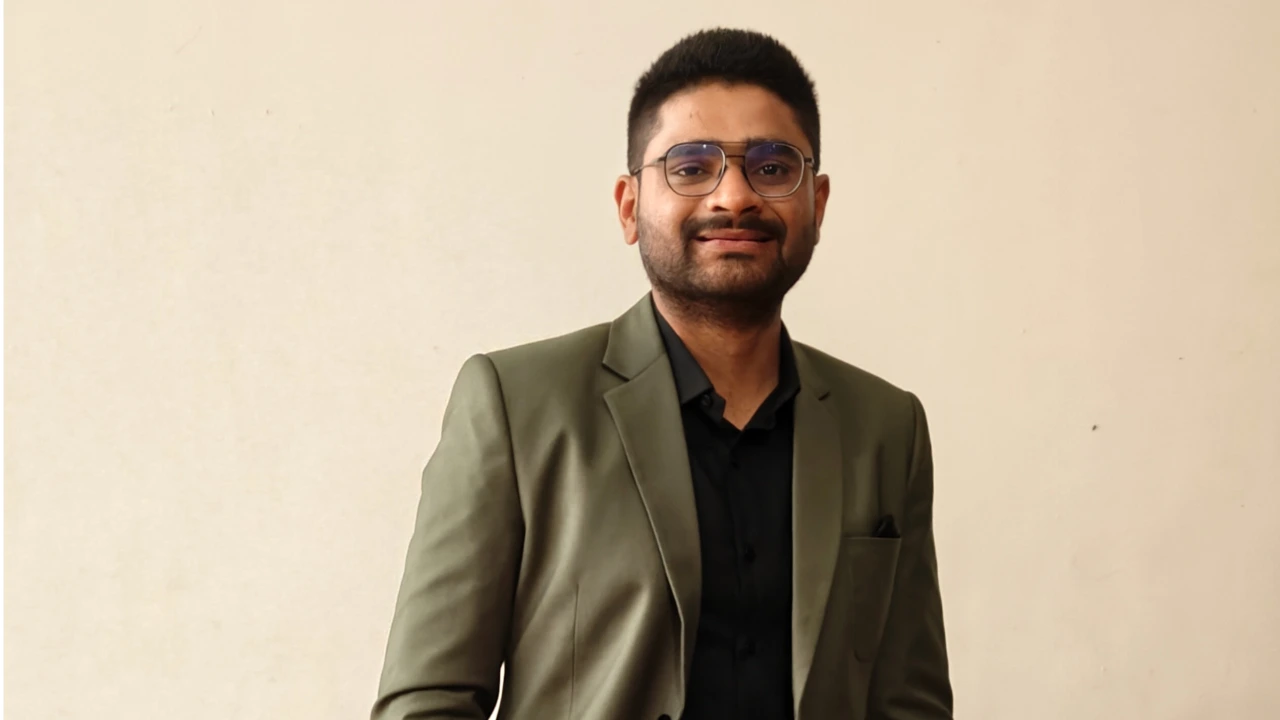
The author is founder and CEO, The InterMentalist.