
 Subscribe
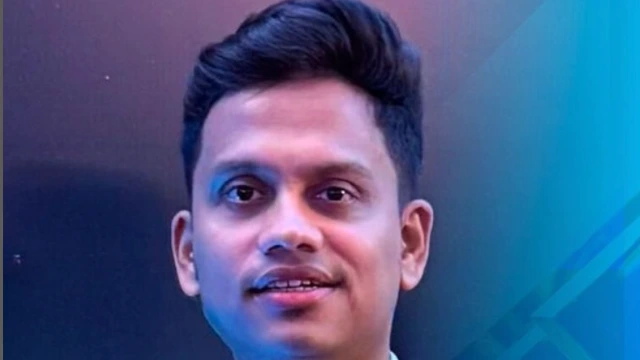
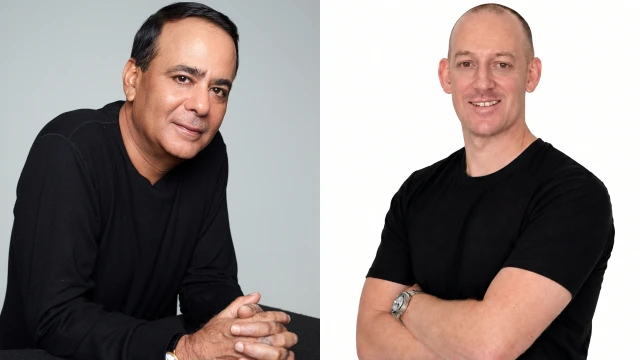
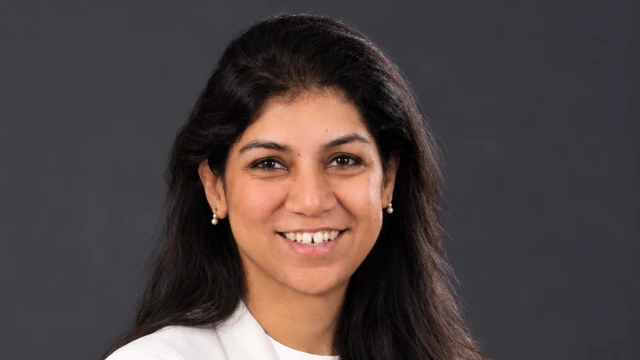
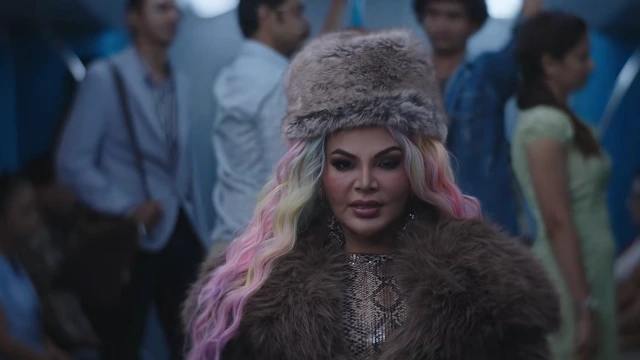
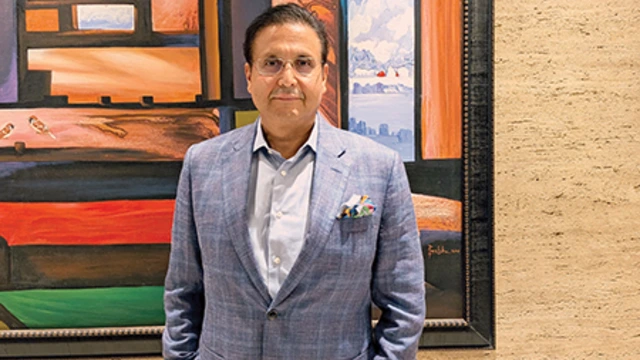
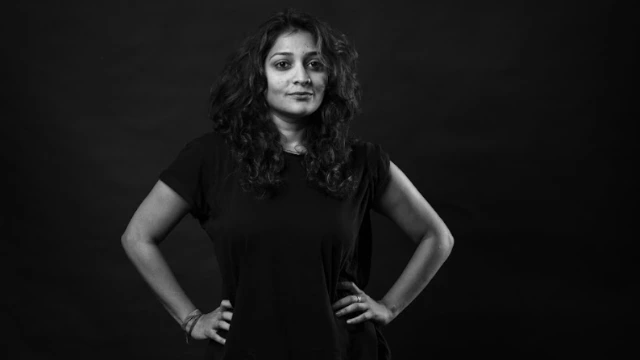
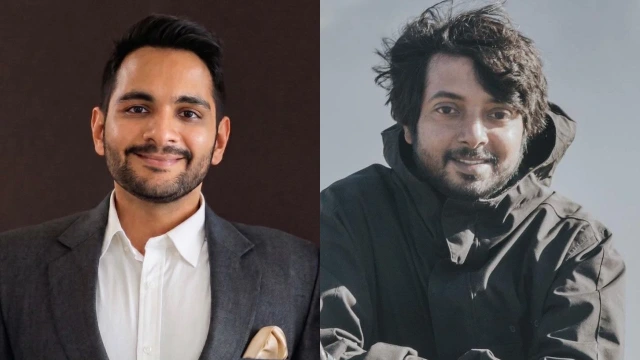
 From left: Deepshikha Bhardwaj, Jaikishin Chhaproo, Seema Walia, Arjun Bhatia and Ankit Gupta.
At the ad:tech 2026 summit held in New Delhi on 18 March, a panel comprising Jaikishin Chhaproo, head of media and PR, ITC; Seema Walia, national agency head, ShareChat and Moj; Arjun Bhatia, chief marketing officer and senior vice president, Matrimony.com; and Ankit Gupta, India apps and web lead, sellside partnerships, Google, unpacked how the emerging format of micro-dramas is balancing narrative depth with platform realities.
The session was moderated by Deepshikha Bhardwaj, national media strategy lead, Schbang, and centred on ‘micro-drama, macro impact’, a theme that explored how brands and agencies are rethinking storytelling for a mobile-first, attention-fragmented audience.
Starting off, Walia highlighted how the shift in audience behaviour has laid the foundation for the rise of micro-dramas.
“We had already seen audiences move from scheduled viewing to mobile-first consumption,” she said. “People were already scrolling passively. What micro-dramas have done is convert that passive scrolling into active engagement.”
According to Walia, the format works because it mirrors classic storytelling but adapts it to shorter attention spans.
“These stories start with an emotional hook, move into conflict and end on an unresolved cliffhanger,” Walia explained. “That cliffhanger is what brings people back, and it’s also the most valuable moment for advertisers.”
She also pointed to relatability as a key driver of popularity. “When you watch a micro-drama, it feels closer to your reality,” Walia said. “The characters, the families, the settings, they feel like your own world. That’s what makes it more engaging than traditional formats.”
Gupta added a structural perspective to this shift. “It’s a mobile-first, vertical format designed for high-frequency consumption,” he said. “It caters to users who want quick, high-engagement content, and it delivers a strong dopamine hit in a very short span.”
Gupta emphasised that localisation plays a critical role. “India is not one market, it’s multiple markets,” he said. “Local content that resonates with specific communities is what’s driving this growth.”
Brand integration in micro dramas
As the conversation moved to brand integration, Bhatia explained how Matrimony.com approaches the format.
“We don’t believe in force-fitting the product into the story,” he shared. “The integration has to be contextual and natural, otherwise it doesn’t work.”
Bhatia pointed to two key approaches: contextual placement and brand-led storytelling.
“The first is where the product becomes part of the narrative itself,” he said. “The story feels incomplete without it.”
The second is building original IPs.
“We’ve created micro-dramas where the story revolves around relationships and near misses, and how our platform eventually brings people together,” Bhatia added. “We were surprised to see that even without paid media, some of these stories crossed a million views.”
Bhatia also noted how other brands are leveraging the format.
“There are examples where brands have built entire narratives around occasions like weddings,” he said. “It becomes both storytelling and product showcase.”
Chhaproo added that while formats may be evolving, advertising fundamentals remain intact.
“The opportunities are still similar: sponsorships, integrations, placements,” he said. “But what becomes critical is how you do it without overwhelming the user.”
Chhaproo, however, cautioned against overexposure. He added, “You don’t want to push frequency beyond a point where it leads to fatigue. If users start feeling bombarded, they will disengage not just from the content, but from the brand itself.”
Monetisation models for micro dramas
On monetisation, Gupta outlined two dominant models emerging in the space. “The first is rewarded advertising,” he said. “Instead of interrupting the experience, you give users a choice: watch an ad to unlock the next episode.”
Gupta described this as a more user-friendly approach.
“It becomes a gateway to the next piece of content,” he said. “Not an interruption, but an enabler.”
The second model is native integration.
“How do you embed the brand within the story in a seamless way?” Gupta said. “That’s where native placements come in.”
Gupta also pointed to the role of technology in scaling this. He added, “We are exploring how this can be done programmatically. For instance, placing brand elements within scenes dynamically based on context.”
Walia reinforced the importance of user experience in monetisation.
“You cannot bombard the user,” Walia said. “If you break the engagement, the user will simply not come back.”
She explained how platforms are pacing ad exposure.
“We don’t show ads until the user has watched a few episodes and is invested in the story,” Walia expressed. “It’s about building that habit first.”
Walia also highlighted how brands are leveraging emotional peaks. She shared, “At moments of high suspense, user engagement is at its peak. That’s when brands can step in effectively.”
The economics of micro drama production
Bhatia brought in a practical lens, comparing micro-dramas with traditional content formats. He said, “If you look at the cost of producing a high-quality TVC, it can easily go up to INR 50 lakh or more. Micro-dramas, on the other hand, are far more cost-efficient.”
This opens up room for experimentation, pointed out Bhatia. He explained, “If brands allocate even 5–10% of their budget to this format, they can test multiple ideas. It’s a safe environment to experiment.”
Bhatia also highlighted the role of AI in reducing production costs. He added, “A lot of the production today is modular. AI is being used for scripting, editing, and even generating certain visuals.”
Bhatia went on to share that this flexibility allows brands to repurpose content. “If something works in one region, we can adapt it for another using AI-led dubbing and modifications. That saves both time and cost,” he voiced.
Gupta echoed this, noting AI’s growing influence. He shared, “AI is significantly reducing production costs while maintaining quality. It’s also helping us better understand audiences and optimise content.”
Defining success for micro dramas
When it comes to measurement, Chhaproo acknowledged that the industry is still evolving. He said, “Right now, we look at reach, frequency and engagement. But the metrics are still developing for this format.”
Chhaproo pointed to the need for more performance-driven indicators. “If we can link content exposure to actual outcomes like purchases, that becomes far more meaningful,” he explained.
At the same time, Chhaproo emphasised that the format itself is here to stay.
“The audience is already used to consuming short-form content,” he said. “The format is not going anywhere; the question is how we make it more measurable and scalable.”
Bhatia added that brands can hedge their bets. He expressed, “We often create performance cutdowns from these stories. So even if the content doesn’t fully work, we still derive value from it.”
Brand safety in micro dramas
As with any emerging format, brand safety remains a key concern.
Walia addressed this directly.
“Micro-drama is not an either-or choice,” she said. “It’s about understanding the platform and aligning with it.”
Walia stressed the need for balance. She shared, “If you over-sanitise the content, it loses its authenticity. But if you don’t govern it enough, it can become unsuitable for brands.”
Walia's approach is rooted in alignment. She added, “You need to understand your brand, understand the platform and then find the right intersection.”
Gupta added that compared to user-generated content, micro-dramas offer more control.
“This is not completely unregulated content,” he said. “There are guidelines, structures and processes in place.”
Wrapping up the session, Gupta also pointed to AI as an enabler. He concluded, “With AI, you can screen content and ensure it aligns with brand guidelines. That adds another layer of safety.”