

 Subscribe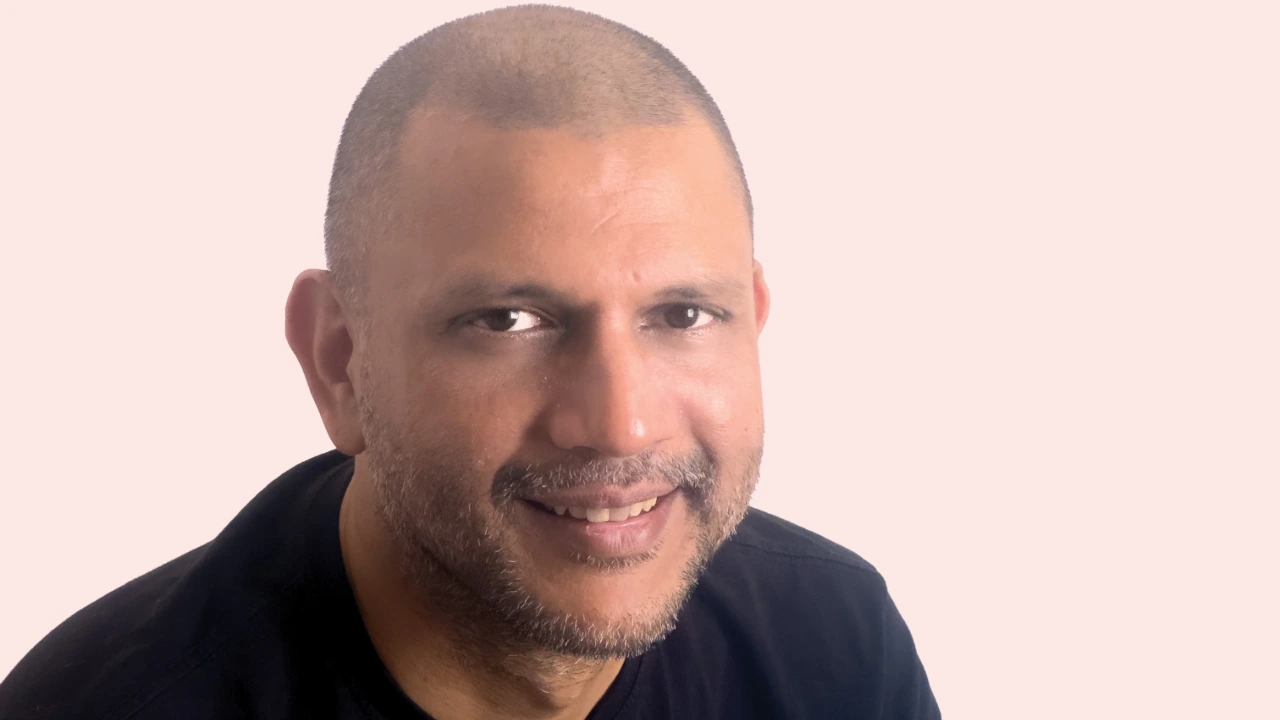
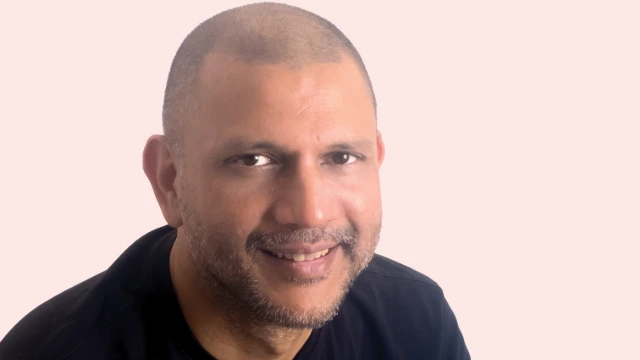
 Juju Basu
For someone who spent 16 years across Grey, Saatchi and Contract before moving in-house, and later setting up Sweat Media, the advertising industry has changed almost as much as his career has. Juju Basu's journey took him from traditional agencies to building a creative agency within Star, directing, and eventually creating an independent model built around a roster of freelancers.
His move to Star, around 14 years ago, was driven by a desire to get away from 'regular advertising'. What attracted him was the opportunity to work on sport at scale, with a team that was building something new. He was given the responsibility of setting up a creative agency within Star, eventually leading a team of around 45 people.
The model allowed the team to experiment constantly. Star’s involvement in the launch of the Pro Kabaddi League and the Indian Super League meant the creative team was involved in everything from campaigns to the colour of kabaddi mats, player styling and even sound design in stadia. “It was a once-in-a-lifetime opportunity to work on a sporting league from the ground up,” he recalls.
The defining chapter, however, came with Mauka Mauka. Working on a network brief for the India-Pakistan match at the 2015 Cricket World Cup, the team looked at the history of India’s dominance over Pakistan in World Cups rather than pursuing another broad peace-oriented campaign. The result was a character-led film built around that scoreline.
For him, the success of Mauka Mauka was also a lesson in sports marketing. “We figured out that we can’t treat sports like other categories,” he said.
While new audiences can be brought into a sport, the core fan base cannot be ignored. “The main ravers need to have a good time,” he said, comparing sports fandom to a rave where suddenly changing the music to suit newcomers could empty the venue.
That understanding of fandom also informs his view of in-house creative teams. He believes the model works particularly well when there is a natural passion for the category, pointing to brands such as Red Bull, Swiggy and Royal Enfield. But he questions whether the same passion can always be created around more conventional product categories.
His own career eventually moved away from the large agency ecosystem. Sweat Media was built around a small core and a roster of 12-15 freelancers, allowing the company to assemble teams depending on the brief.
The shift reflects a broader change in the industry, he believes. “People used to be worried about jobs and whether they would exist. Now the worry is whether the agency will exist.”
For Sweat Media, success over the next few years is less about scale and more about creating work that people talk about. A recent Sony campaign is a step in that direction, but the ambition is broader. He sees enormous potential in football, particularly in a country with passionate fans, creative talent and increasing investment.
“We want to move the needle in the sports environment in some way,” he said.
The full conversation with Basu is available in the September issue of Manifest, which can be bought here.