
 Subscribe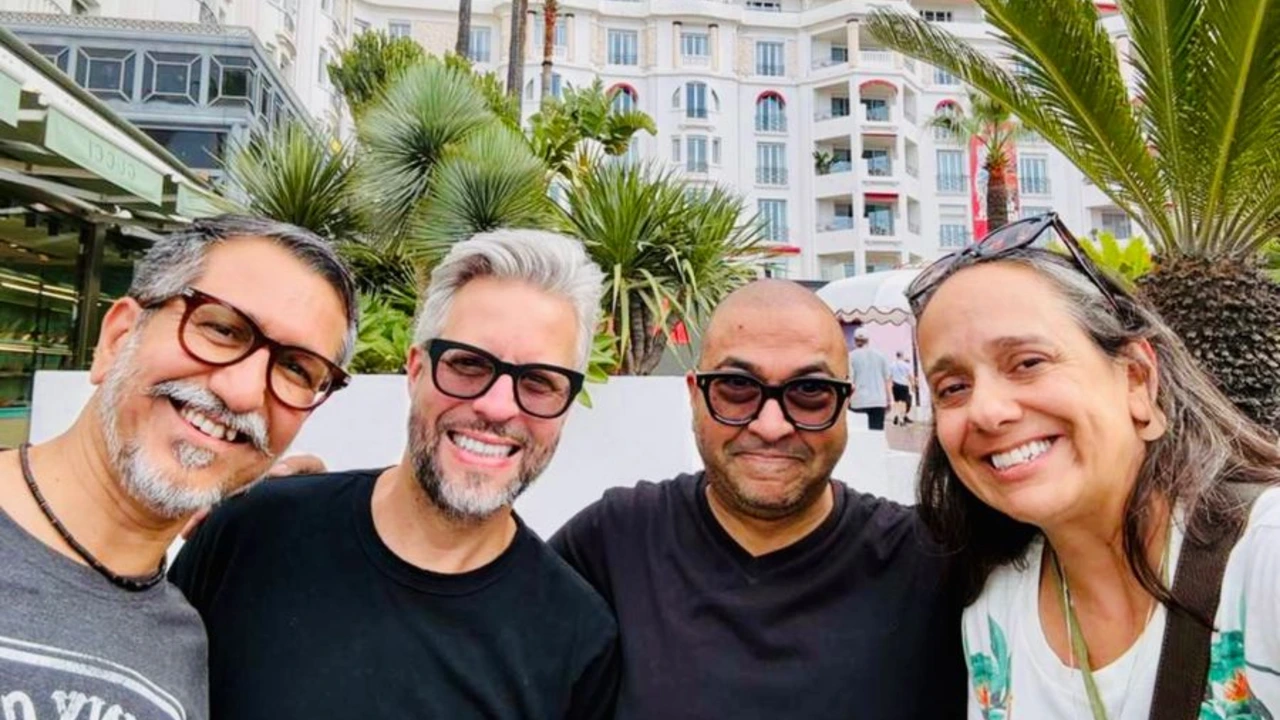
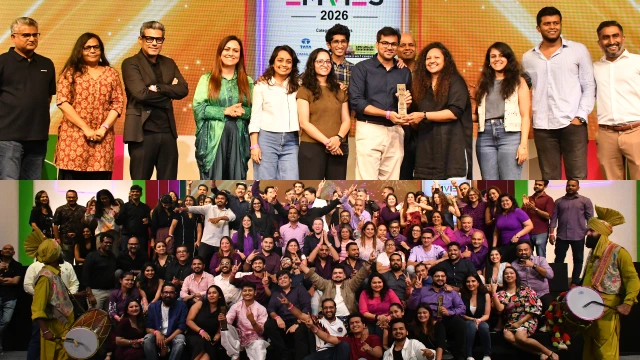
 Left to right: Abhijit Avasthi, Anselmo Ramos, Raj Kamble and Camila.
Cannes is a strange place.
At 8 am, you’re eating a croissant overlooking the Mediterranean. By 9 am, you’re discussing the future of artificial intelligence with people who have built some of the world’s most influential brands. By noon, you’re standing in line for a talk next to a 25-year-old creator who could probably build an entire agency from his laptop before lunch.
The sea is blue. The rosé is cold. The yachts are ridiculous.
The conversations are even more ridiculous.
This morning started with coffee and conversation with Anselmo Ramos and Camila. Later I bumped into Eugene Chong. A familiar face from Singapore. Another from London. Somebody I knew from New York. Somebody from São Paulo. Somebody from Mumbai.
That’s the magic of Cannes.
For one week every year, the advertising industry creates its own little Davos.
Only with better beaches.
And this year there is only one topic anyone wants to discuss.
AI.
Not creativity.
Not culture.
Not brands.
Not people.
AI.
Will it take our jobs?
Will it replace agencies?
Will it replace writers, designers, strategists, filmmakers and creative directors?
The question appeared in almost every panel. It floated through every beach club conversation. It followed every coffee meeting.
And after a full day of listening, I realised something.
Almost everyone is talking about intelligence.
Almost nobody is talking about taste.
That may be the biggest mistake we are making.
For decades, our industry rewarded craft.
The better you were at writing, designing, editing, directing, illustrating, animating or coding, the more valuable you became.
Today, AI is rapidly democratising all of it.
The cost of execution is collapsing.
The barriers to creation are disappearing.
Intelligence is becoming abundant.
This should excite us.
Instead, it seems to terrify us.
But perhaps we’re worrying about the wrong thing.
Because intelligence was never the rarest ingredient in creativity.
Taste was.
AI is probably the greatest machine ever invented for consensus.
It learns from history.
It studies patterns.
It understands what worked.
It predicts what people are likely to prefer.
In many ways, AI is a machine trained on the average.
And average has never created culture.
Imagine a dress.
Research says 70% of people dislike it.
AI will tell you not to make it.
The algorithm will recommend safer alternatives.
The data will suggest something more popular.
And yet history is filled with people who ignored exactly that advice.
Every creative revolution started as a minority opinion.
Every breakthrough idea looked strange before it looked inevitable.
The average didn’t want Impressionism.
The average didn’t want punk.
The average didn’t want streetwear.
The average didn’t want countless products, films, brands and ideas that later defined entire generations.
The average never invents the future.
The average simply votes for it once somebody else creates it.
That’s why I don’t believe AI is the greatest threat to creativity.
I think consensus is.
The real danger isn’t that machines become creative.
The real danger is that humans become predictable.
That we stop trusting instinct.
That we confuse data with judgment.
That we outsource taste.
That we start believing the most popular answer is automatically the most interesting one.
Taste has never been democratic.
Taste has always been deeply personal.
You can’t explain why one joke makes you laugh and another doesn’t.
You can’t explain why one photograph stays with you for twenty years.
You can’t explain why one piece of work moves you while another leaves you cold.
Taste isn’t logic.
Taste is instinct.
And instinct is stubbornly human.
Tonight, sitting in the Palais watching the awards, something else struck me.
India didn’t walk onto the stage for a Gold.
Someone whispered that entries were down.
Someone else whispered that questionable entries were down even more.
Another person suggested the industry was changing.
Maybe.
What I do know is this: the biggest companies on the Croisette today aren’t advertising companies anymore.
Many of the largest queues are outside AI companies.
Many of the loudest conversations are about technology.
The centre of gravity is shifting.
And yet the winning work still has one thing in common.
Not better prompts.
Not bigger datasets.
Not faster processors.
A point of view.
Because AI can tell us what people liked yesterday.
Creativity is about imagining what they might love tomorrow.
As I walked back along the Croisette tonight, past the yachts, the beach parties and the endless debates about the future, I couldn’t stop thinking about one thing.
The question isn’t what happens when AI becomes smarter.
The question is what happens when humans stop having opinions.
AI can learn from everything that has already happened.
But the future has always belonged to the person willing to believe in something that doesn’t yet exist.
And that’s not intelligence.
That’s taste.
The author is founder and chief creative officer, Famous Innovations.