
 Subscribe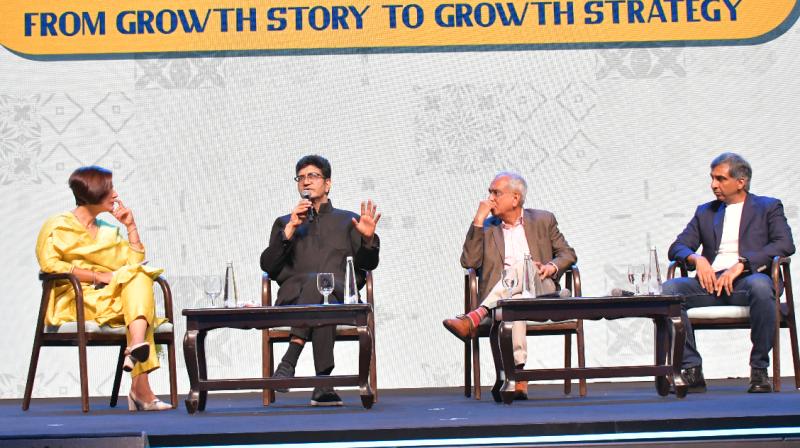
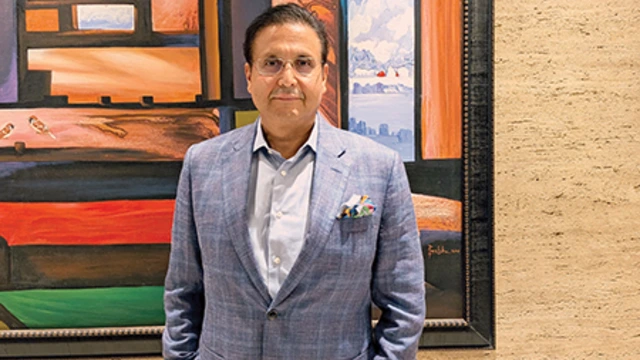
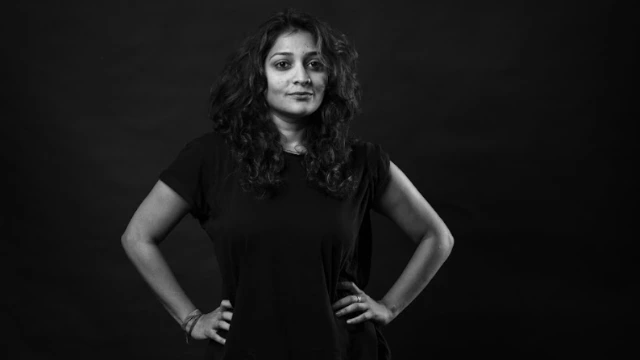
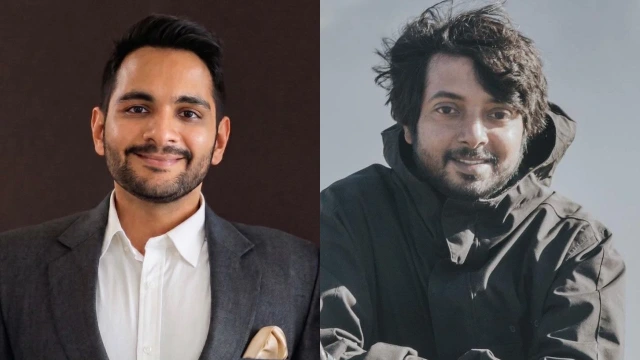
 From left: Padmaja Joshi, Prasoon Joshi, Rajiv Kumar, and Nikhil Sharma
The opening day of Goafest 2026 began with a macro-level conversation on India’s evolving global identity, as policymakers, marketers, and advertising leaders came together for an inaugural session titled ‘Resetting Brand India: From Growth Story to Growth Strategy’.
The discussion featured Rajiv Kumar, chairperson, Paheli India Foundation and former vice chairperson, NITI Aayog; Padma Shri Prasoon Joshi, chairperson, Omnicom Advertising, India, and chairperson, Prasar Bharti; and Nikhil Sharma, managing director, Perfetti Van Melle, India. It was moderated by Padmaja Joshi, managing editor, NDTV.
Opening the session, Padmaja Joshi asked the panel what defines ‘Brand Bharat’ and what the idea personally represents to them.
Prasoon Joshi was quick to caution against reducing India to a mere marketing construct. “First of all, we cannot reduce such a great civilisation to just a brand. Brand India is bigger than just a marketing term; it reflects India’s civilisation, culture and identity,” he said.
Speaking about the current moment India finds itself in, Joshi noted that while technological progress and connectivity have accelerated possibilities, the aspiration for India to become a globally respected power is not new. “We are living in the era of AI.
The speed and the momentum one can give is much more - we are all much more connected. But let’s not be under some illusion that we are the only generation of people who are thinking that Brand India should become a great power or one that’s respected in the world. Today, what we should talk about is what we can do about it.”
Joshi argued that India’s transformation is not just visible through infrastructure and policy reforms such as UPI, Aadhaar, GST or Jan Dhan that can be captured tangibly, but also through an invisible cultural shift taking place across the country. He pointed to the growing confidence among creators from smaller towns who are embracing their identities, languages and lived experiences without hesitation.
“Earlier folks from small towns who spoke in the local language or the native tongue were looked down upon as ‘vernies’ or HMT (Hindi medium types), and they were intimidated by English-speaking people. They lacked confidence; there was a colonial hangover. Today, the biggest change I see is that creators from smaller towns are not scared to share real content that portrays their true identities or what they are, and we as a nation are also welcoming of such ideas,” he said.
On what lies ahead for Brand Bharat, Kumar described India as a global brand rooted in optimism. “We are the only country in the world to have completed its political, social and economic transitions simultaneously,” he claimed.
Kumar suggested that the next phase of India’s growth story lies in strengthening regional identities while remaining united under a national framework. “Now is the time when this branding can be deepened by building strong regional brands within Brand India,” he added.
The discussion veered towards the country’s manufacturing ambitions and the long-standing challenge of increasing manufacturing’s contribution to GDP, which continues to hover around 18%. Addressing whether India needs to rethink its policy framework, Kumar strongly advocated for a private sector-led growth model.
“My firm belief is that India will be driven forward with the private sector leading it; that’s our biggest talent. If innovation has to happen in manufacturing, it will happen with the private entrepreneurs who have essentially been the trailblazers of India. If and when we decide that those are the people whom we should support and encourage - rather than control by putting them in a regulatory box - that’s when we will close this gap,” he stressed.
Speaking against excessive state intervention and the big mindset change needed for India today, he noted, “The government should give up its controlling role and rather play the role of promoters. The key is that at every level of society, the government and the private sector have to work together with the clear notion that the private sector will lead the way with the government playing a supportive role.”
Offering a voice of caution from the FMCG sector, Sharma warned against complacency in both business and governance. “One of the things we do very often in our sector as well as in the government is that we rest on our laurels a little too long, and then we lose the plot going forward,” he said.
While acknowledging that India has made progress, Sharma argued that incremental improvements alone would not be enough to create the “big leap forward” required for the next phase of growth. He highlighted the imbalance between India’s strong volume growth and relatively weak value growth, stressing the need for more innovation and premium-quality Indian products.
“Innovation suffers when businesses focus only on low-cost products,” he said, noting that affordability concerns continue to dominate Indian consumer behaviour. “We need to think much bigger, without being bogged down by profitability concerns.”