
 Subscribe

 Giva's Raksha Bandhan campaign ft. Kriti Sanon
Every festive season, Indian advertising sets out to make us feel something. To find a fresh cultural insight in a sea of sanitised, interchangeable narratives.
But as brands tread beyond the familiar playbook of polished, heartwarming and largely ‘safe’ narratives by pushing for inclusivity or questioning outdated rituals they find themselves at the centre of varying degrees of online scrutiny, backlash, and boycott calls.
Over the years, festive campaigns are increasingly becoming flashpoints for debates around religion, culture, representation, gender and tradition. From Tanishq’s interfaith Ekatvam campaign and Fabindia’s Jashn-e-Riwaaz to Surf Excel, Mohey Manyavar, Zomato, Dabur and, most recently, Giva’s Raksha Bandhan campaign, the pattern is familiar; often resulting in the ad being pulled.
But does the loudest reaction represent the true picture? Shradha Agarwal, co-founder and global CEO, Grapes Worldwide, believes brands need to make that distinction before reaching for the delete button. “Online backlash can be loud without necessarily reflecting what most consumers think. Social media can make a reaction look much bigger than it really is,” she said.
In a war room, the first step is to ‘separate noise from a substantive issue.’ However, that distinction is becoming harder to make.
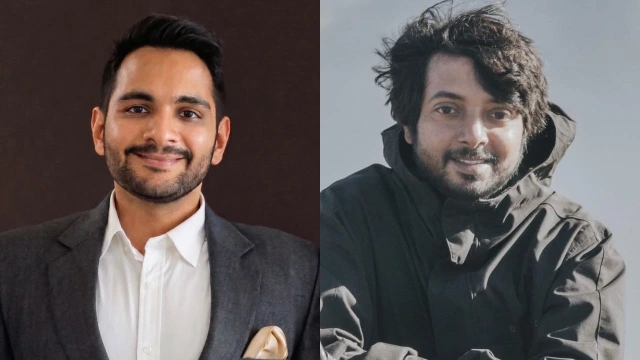
Siddharth Banerjee, seasoned marketer, reasoned that brands need stronger systems in place with data to assess the social media uproar. And when an idea does cross a line, his advice is unequivocal: “If you have made a wrong call, apologise unconditionally and as soon as possible. If you have an idea which is rooted in true consumer insight, is sensitive to consumer context and your teams are aligned with you, stand firm,” he asserted.
When crisis hits, reacting to sheer decibel levels is a fatal trap, brand strategists believe, with creativity being the bigger casualty.
Hayden Scott, creative head, India, Virtue Asia, says fear of backlash can kill an idea before it even reaches the client. “The danger is when teams try to eliminate every possible source of discomfort and end up sanitising the work until it becomes generic.” Self-censorship can be more powerful than client rejection, he pointed out.
Arun Iyer, founder and creative partner, Spring Marketing Capital, echoed the sentiment. The real danger, he argued, is not backlash itself, but losing the courage to have a point of view.
Ramesh Narayan, founder, Canco Advertising, on the other hand, believes many of the controversies stem from avoidable missteps. Concurring with the opinion, Binaifer Dulani, founding partner and creative, Talented, makes a reflective counterpoint on the unwarranted weight placed on festive ads: “Perhaps audiences increasingly want festivals to simply be festivals: spaces to celebrate rituals and tradition with craft, without carrying an additional agenda.”
Regardless, when outrage escalates into intimidation, it crosses a legal threshold with the stakes extending beyond individual campaigns. Pritha Jha, partner, Pioneer Legal, warns that repeatedly pulling work under pressure can create a chilling effect. “By pulling down the ad, you’ve essentially given power into the hands of people attempting to intimidate. Those actions will continue to be repeated because they’ve seen results.”
So where should brands draw the line between accountability and capitulation, and can Indian advertising preserve its creative edge without treating every backlash as either noise or gospel?
This feature was first published in the October issue of Manifest. To read the full story click here.