
 Subscribe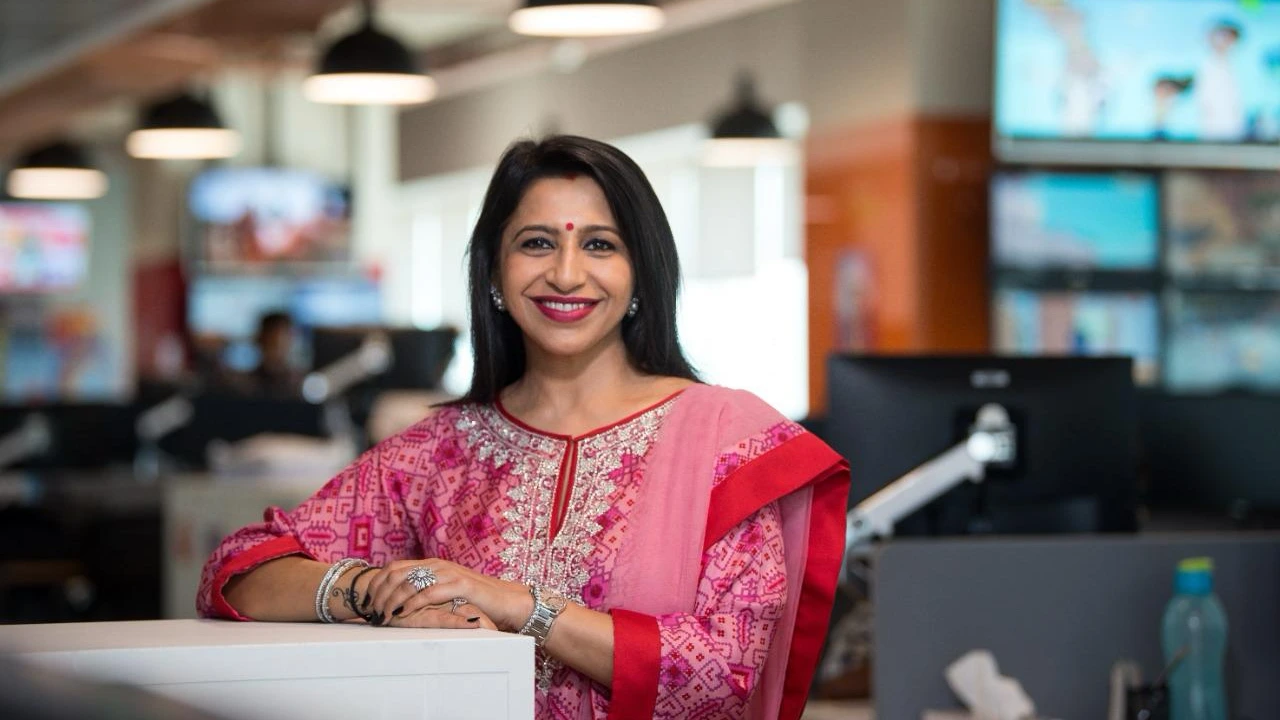
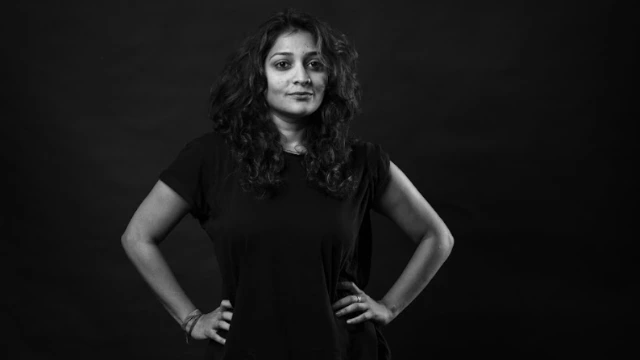
 Megha Tata
Advertising has long played a role in shaping perceptions of gender, often drawing on familiar ideas of what men and women should look like, aspire to and how they should behave. While these narratives have evolved with changing social realities, gender stereotypes continue to influence the way stories are created, characters are portrayed, and roles are assigned on screen.
The conversation around these changing narratives has been a key focus of the International Advertising Association (IAA) – India Chapter’s Voice of Change initiative, which brings together voices from across advertising, media and entertainment to push for more progressive and inclusive representation.
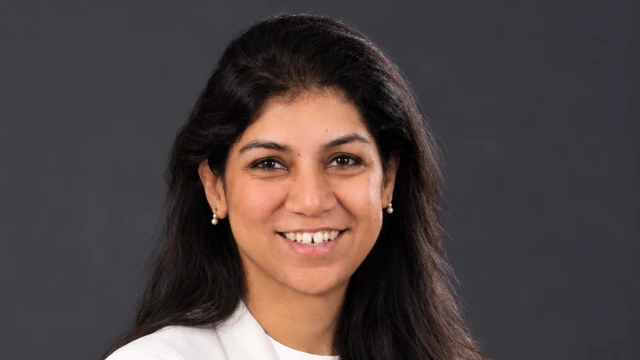
Among those closely associated with this movement is Megha Tata, a veteran media and advertising professional whose extensive experience across the industry has given her a front-row view of how the portrayal of women has evolved and where the gaps continue to remain. Being a co-chair of the committee, Tata has been instrumental in driving the conversation around gender representation and diversity across the advertising and media industry.
We chatted with her to talk about the shift that the industry has seen over the years, their recent Voice-o-Meter initiative and more.
Edited excerpts:
You have spent over three decades in media and have seen the industry evolve across television, entertainment and advertising. How has the role and representation of women in advertising changed over that time and what has remained stubbornly unchanged?
Being in the industry for over three decades, I have seen a lot of shifts in the way women are represented in advertising. In the earlier days, we saw a lot of stereotypical advertising, which limited the representation of the roles women were shown in.
Definitely, there has been a change through various interventions, with a lot of industry bodies and individuals taking steps to make advertising more inclusive.
We have seen more women taking on roles that were supposedly traditional male domains, whether in the financial sector or the automobile sector. We have seen women driving cars and women in financial decision-making spaces. But you also continue to see women doing the cooking and cleaning roles as well.
What probably needs to change more is seeing men doing those roles as well. It’s not just about women taking on so-called men’s roles, but also about men taking on so-called women’s roles. That is where you will see a societal shift in the mindset of people, to see that it’s a ‘Share the Load’ kind of world we live in.
You have led several Voice of Change conversations on gender-conscious creativity. What are the biases about women in advertising that you feel the industry still hasn't fully confronted?
When we go out into the industry and talk to people, everyone we have spoken to acknowledges that this is a problem that needs to be fixed. But people get a little complacent about it. It’s almost like, why fix something that isn’t broken? Things are moving, so why do we need to change? That is the shift in mindset we would like to see more of, from creative heads and also people with decision-making ability. They need to make it a natural part of their creative process. It should not be done as tokenism, but because it is the right thing to do.
The shift is taking place. I’d say business and creative heads need to take this up. It’s only when you commit yourself to something in life that you actually go out and try to make it happen. That is the kind of commitment we would seek from all the decision-makers, both in advertising as well as among marketers. It should come more from marketers because they are the ones who are spending the money. They need to become conscious and committed to making this happen.
It is a fundamental change. Another thing that can be done is attaching some KRAs to the creative heads, evaluating their performance based on how much gender-inclusive content or how many gender-inclusive creatives they have created. Maybe that will, in some way, force them to do something which is right for the overall communication industry.
The Voice-O-Meter (weekly scoring on Manifest) is looking at advertising through the lens of gender representation. What are the specific markers you look for when deciding whether a campaign is genuinely progressive rather than simply appearing progressive on the surface?
When I am looking at identifying a gender-inclusive ad, I am looking at it more from a normalisation point of view - how both men and women are equally represented in different roles. It’s not about screen time, but the roles they are being represented in.
It’s not like the ad should shout out that I am showing a woman driving a car or a man washing clothes, or I am showing a woman in a sports setup. It is not about trying to make a point, but about normalising the fact that both men and women can take on any roles.
Men can cook, and women can drive cars. Men can wash clothes and women can take financial decisions. So, making it more about normalising their roles in any form of creative communication is the lens I look at when I am evaluating a gender-inclusive ad.
In fact, in the recent week, none made the cut, but all did, which was wonderful, because all of these ads had men and women equally represented. That is what we are looking to normalise in society that all roles are for all. You don’t have to highlight a particular gender for a particular role.
What would ‘getting gender representation right’ actually look like in advertising? What would you want to see become the norm rather than the exception?
It should become more about normalisation of representation than just having a handful of brands talking about it. That will come into effect when both marketers and advertising agencies believe that this is something we have got to do.
While IAA Voice of Change continues to do as much as we can at a grassroots level, as well as in building awareness, I think it is important for everybody in the ecosystem to come on board and be that voice of change.
The combination of all this will make our industry more conscious about thinking inclusively when they are putting any form of creative together. We need to continue having this conversation. We need to have all and more brands come on board, including platforms, publications, or anyone in the overall ecosystem, to speak more about it and build more awareness.
At the end of the day, all of us believe in it. Nobody is fighting it or saying that this is a stupid idea. Everybody believes it is the right thing to do. But what we need to do is make this a normalisation of their thinking process.