
 Subscribe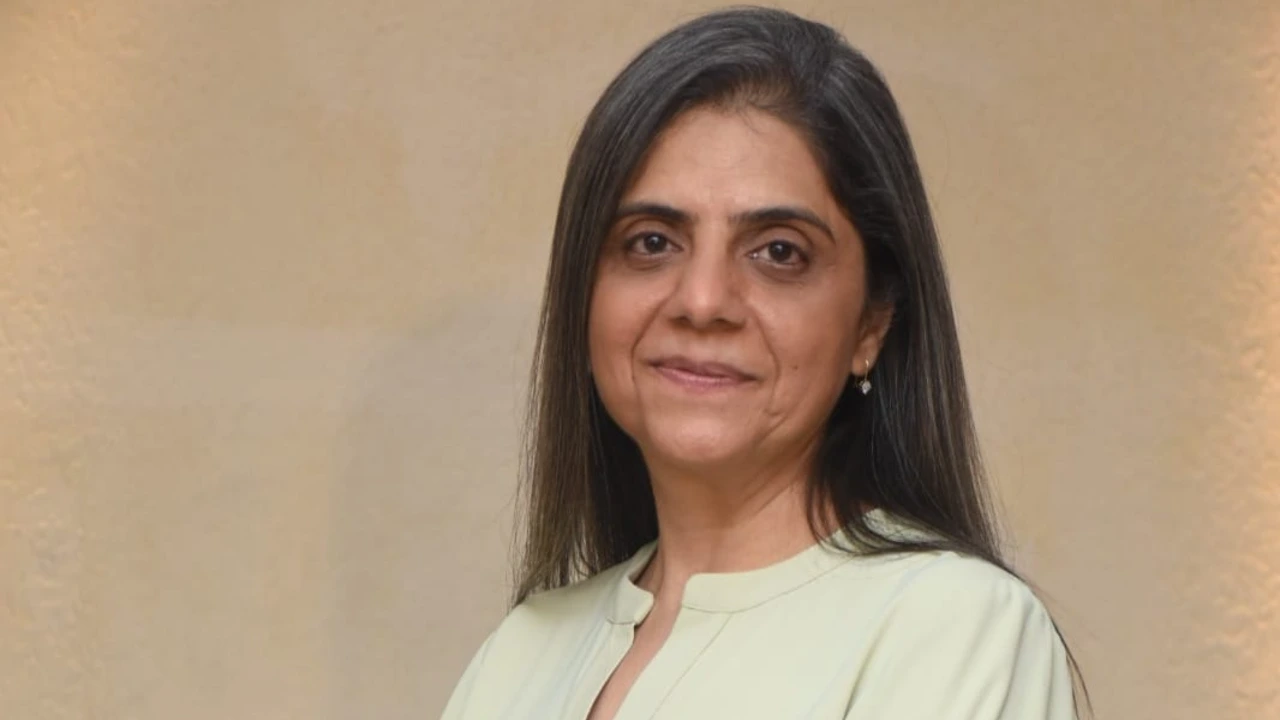
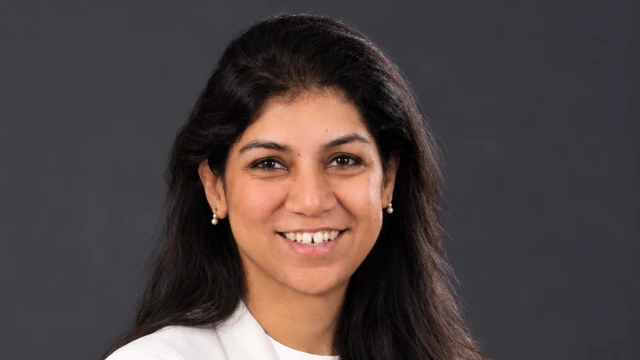
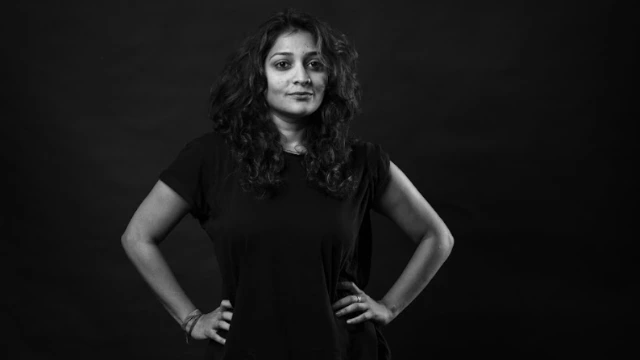
 Nina Elavia Jaipuria
For years, advertising has drawn on familiar ideas of masculinity and femininity to tell stories, often assigning men and women distinct roles, behaviours and aspirations. Women, in particular, have frequently been portrayed as caregivers, homemakers and mothers, or through narrow ideals of beauty and aspiration, even as their roles in the real world have continued to evolve. While the representation of women has undoubtedly evolved, questions around stereotypes, agency, diversity and whose stories get to be told remain.
One body that is looking to speed up the pace of change is the India Chapter of the International Advertising Association as it aims to encourage more progressive and inclusive representation of women in advertising through initiatives such as Voice of Change.
A key voice in this conversation has been Nina Elavia Jaipuria, whose association with the body has been central to the evolution of Voice of Change. As chairperson of the committee, Jaipuria has played an important role in driving the initiative and expanding the conversation around gender representation beyond advertising to the wider media and entertainment landscape.
We caught up with her to discuss the evolving portrayal of women in the industry, the stereotypes that continue to persist beneath more progressive narratives, and more.
Edited excerpts:
From your experience across content and entertainment, how has the portrayal of women in advertising changed? Are we genuinely moving beyond stereotypes, or are some stereotypes simply being repackaged?
I think the portrayal of women in Indian advertising has undoubtedly changed in the right direction, but the change is not uniform. While advertising continues to portray women as homemakers, mothers and caregivers, or women largely defined through beauty, today we also see women portrayed as decision-makers, professionals, entrepreneurs, athletes and individuals with aspirations of their own. Even though we are beginning to see more diversity in age, body type, occupation and life choices, fair skin tone continues to be the preferred standard.
But I don't think we can say that stereotypes have disappeared. We seem to have simply upgraded the packaging. They have become more sophisticated. For me, the real test is not simply how many women we see on screen, but what they are doing, what choices they are making, whose voice they have, and whether men are also being shown sharing traditionally female roles.
Moving forward, we will not only have to portray women differently, but actually challenge the assumptions society makes about women in order to break the bias.
Through Voice of Change, you have been looking closely at how women are represented in advertising. What are the most persistent stereotypes you still see, even in campaigns that are positioned as progressive?
In my view, the most persistent stereotype is the portrayal of a woman as a ‘superwoman’ - the woman who is expected to have a successful career, run the home, raise children, look good and do it all effortlessly. We’ve moved on from the perfect homemaker; but we’ve just made her more sophisticated.
Another persistent stereotype is that women are still disproportionately shown as caregivers, doing domestic chores, in the kitchen or around the house. Even when the advertising is progressive, the emotional responsibility for children, family and relationships often continues to sit with women. They are still the default caregivers. And not to mention fair, slim and good-looking!
We still need greater diversity in age, body type, occupation, ability and life choices. To get rid of these persistent stereotypes, we will have to challenge societal norms and start showing real women.
The latest IAA-UNICEF Midline study shows measurable progress in gender representation since 2021. Where do you think the industry has made the most meaningful progress, and where is the gap still stubbornly large?
The Midline research findings point to meaningful progress in the way women and men are represented in Indian advertising. When we compare the 2021 and 2026 studies, we see that gender gaps have narrowed across almost every area we looked at. We are seeing more men being portrayed as fathers, helping bridge the parenting gap. At the same time, fewer women are being shown in sexually revealing clothing, partial nudity or sexually objectified situations. There has also been a clear shift away from depicting women primarily through domestic roles. Fewer women are shown as married, shopping, cleaning, preparing meals, caregiving, making household decisions or simply being confined to bedroom settings. Instead, more women are being portrayed as working and having paid occupations, reflecting a more rounded picture of women and their ambitions beyond the home.
There are other encouraging signs too. Men and women are now equally likely to be shown outdoors and making personal decisions about their future. Both are also appearing less often in stereotypical or trope-driven portrayals. While the direction is encouraging, we are not there yet. Women continue to be significantly shown in caregiving and domestic roles, while men are still more likely to be represented in paid occupations and workplace settings.
The story is one of progress, but not yet parity. The needle is moving, and that matters. The opportunity now is to make these more balanced representations not occasional or tokenistic, but a natural and consistent part of how we portray women and men.
That is what the IAA Voice of Change seeks to build on, to continue to bring the diverse stakeholders across advertising and marketing together to keep the conversation going, challenge stereotypes and, slowly but surely, move the industry closer to genuine gender equality.
If you could give brands and agencies one piece of advice on creating more authentic representations of women, what would it be?
Make inclusion the norm, not the exception. Normalise it. Inclusive thinking should be instinctive and reflect everyday life. Don’t bring diverse women into advertising only when the brief is about diversity or inclusion. Let them naturally be an integral part of everyday stories, of family, ambition, work, relationships, products and life. Inclusion should feel consistent, authentic, and unremarkable, rather than something we do to tick a box.
True progress is when representation is no longer a special initiative. But it simply becomes the way we tell stories, and these stories will help shape a more progressive society.