
 Subscribe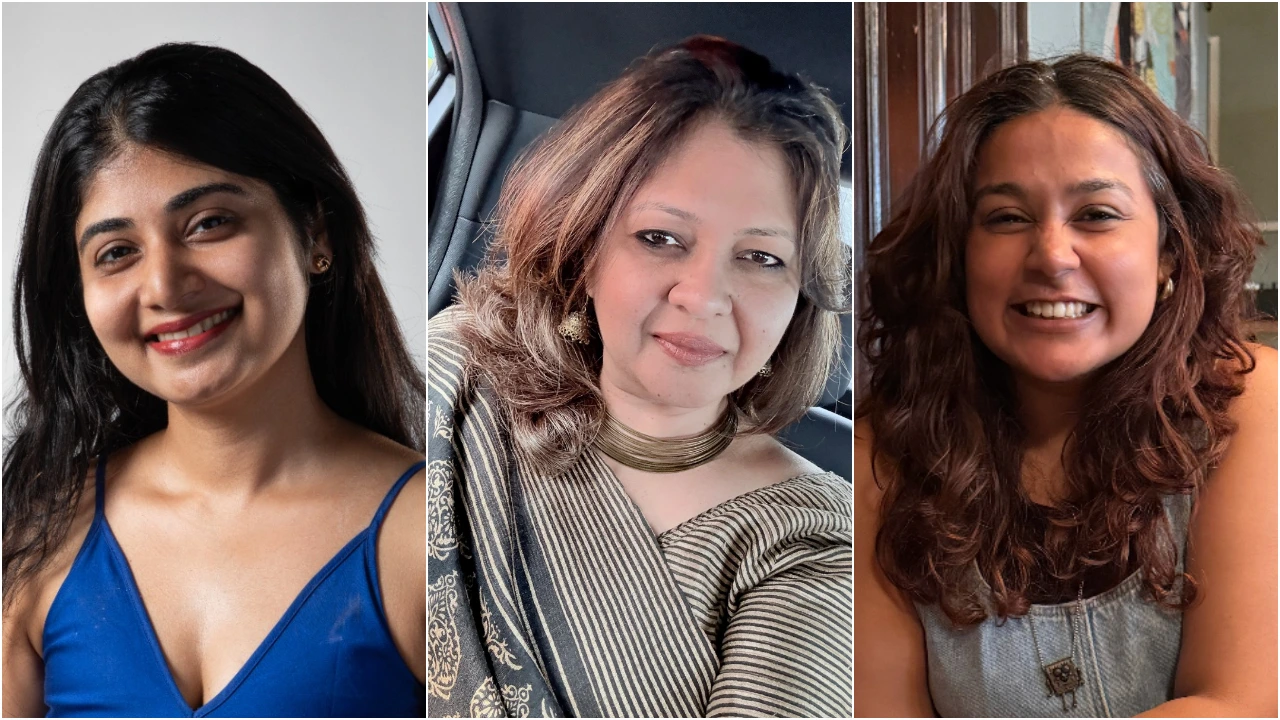
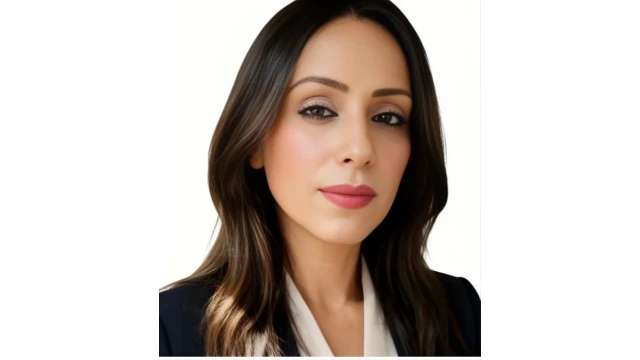
 From left: Binaifer Dulani, Nisha Singhani and Manoti Jain
According to the IAA India Chapter and UNICEF’s ‘India Advertising Midline’ study, Indian advertising has made measurable progress in how it portrays women and men since 2021.
The study, conducted by research organisation Geena Davis Institute (GDI), which researches and works on gender representation in media, analysed gender portrayals across the 1,000 most-viewed multilingual Indian advertisements on television and digital platforms, benchmarked against the 2021 baseline.
The report found that gender gaps have narrowed across several indicators, including increased representation of women in professional roles, fewer sexualised portrayals and more balanced depictions of domestic responsibilities. However, gaps remain, particularly in leadership portrayals, workplace representation and the inclusion of diverse identities, highlighting areas where continued efforts are needed to create more equitable representation.
So, where and how has the needle shifted?
Nisha Singhania, co-founder and managing partner, Infectious Advertising, stated, “The biggest change is that women are no longer just being represented; they’re increasingly being shown as decision-makers, leaders, entrepreneurs and individuals with ambitions of their own, not just supporting someone else’s story.”
Manoti Jain, founding partner and chief operating officer, Kulfi Collective, noted that the bigger shift isn’t about representation, but about who gets to shape it.
“We still have a lot of work ahead of us. And while the conversation around gender is obviously much broader than women, the way women are portrayed is a useful lens into where advertising still falls short. The bigger shift isn’t just representation, but who gets to shape it. Advertising once had an outsized role in defining cultural signals. Today, the internet has decentralised that power. With access reaching deeper into India, culture is increasingly being shaped by people, communities and creators themselves, with advertising often catching up. That changes the equation for representation. Women are no longer only being represented; increasingly, they are representing themselves,” she said.
She added that audiences are not choosing one version of womanhood over another – they have stopped expecting there to be just one.
Binaifer Dulani, founding partner and creative, Talented, claimed that the needle is definitely shifting, but advertising isn’t the starting point.
“Women themselves have changed significantly in their position in society, and advertising is catching up. The most interesting shift is around agency and desire. Dating apps have normalised women talking about what they want, being desired, and even talking about self-pleasure. The boom in sex tech has pushed female pleasure into mainstream culture in a way that was largely absent before,” she explained.
Dulani said that the change isn’t limited to newer categories.
“One can see the change even in mass categories. The stereotypes haven’t disappeared, but the roles are getting less rigid. Men are in kitchens. Men are caregivers. It may still be secondary, but it’s increasingly visible. Because the power structures have changed.”
What needs to evolve
Singhania listed some of the common stereotypes that continue to show up repeatedly in advertising:
The invisible mental load: Even in progressive advertising, women are still the default planners and problem-solvers, managing the home, the family and everyone else’s needs.
The ‘superwoman’ stereotype: We’ve replaced one stereotype with another. Today, she’s expected to effortlessly balance a successful career, motherhood and relationships, and still have it all together.
Purpose over practice: Brands often celebrate women around Women’s Day, but the rest of the year’s communication slips back into old patterns.
Beauty as social currency: While we’ve moved beyond fairness narratives, many campaigns still suggest that appearance is closely tied to confidence, success or acceptance.
Singhania stated that the opportunity now is to stop making gender the story, and instead show women as real, complex people without needing to make a statement about it.
Jain stated that the next shift needed is about celebrating women’s individuality.
“Advertising is permitting women to make choices. Individuality is not asking them to justify those choices. When was the last time we saw a mother in advertising take off on a girls’ trip simply because she wanted to? Not because she was burnt out. Not because she’d earned it. Just because she wanted to have fun. And I think this extends beyond women. As our understanding of gender itself becomes more expansive, advertising has an opportunity to move away from fixed ideas of how any gender should behave, desire, dress, love or live. For me, that’s where the creative opportunity is: there is an infinite spectrum of identities and lived experiences that advertising has barely explored. Culture is already showing us that world. We just need to observe it better,” she said.
Dulani summed it up: “Advertisers have woken up to the reality that women cannot simply be treated as a monolith – and that’s the biggest shift.”