
 Subscribe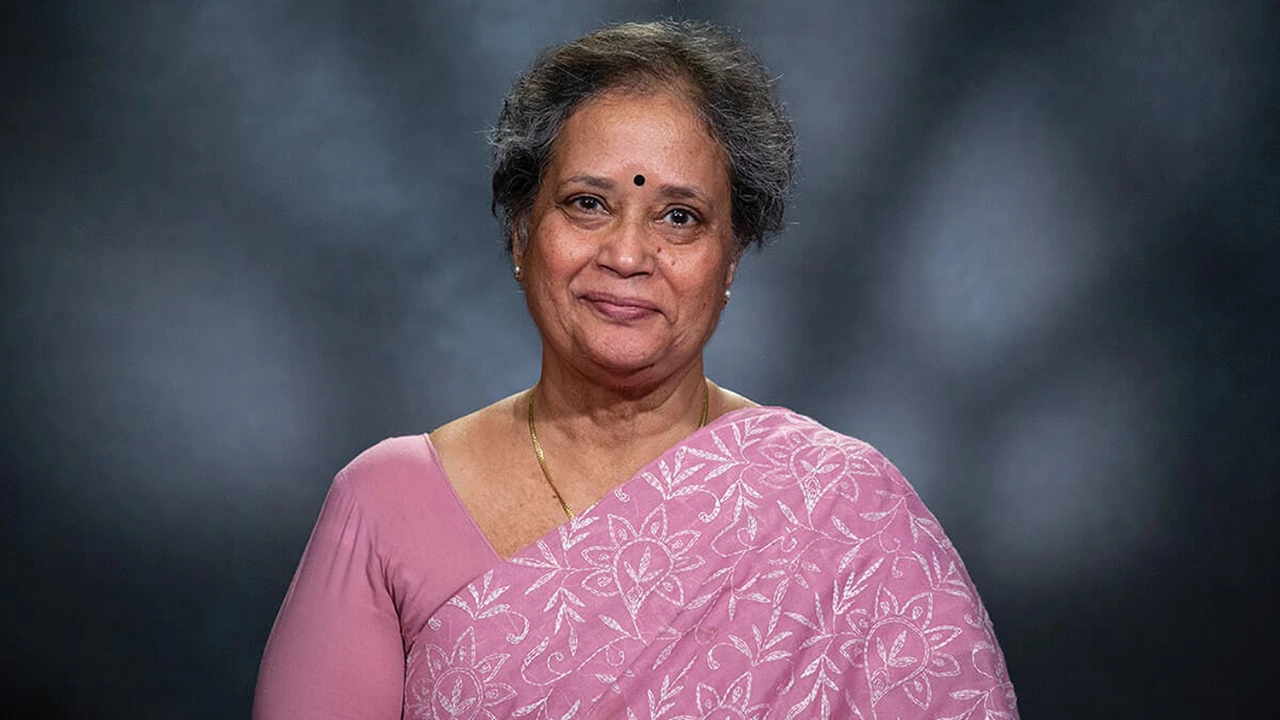
 Dr AL Sharada
Laadli was born out of a deep concern about the falling sex ratios. The question that kept coming back to us was simple but unsettling: why are girls not welcome in Indian families? As we explored this further, it became clear that there is a widespread undervaluation of women and girls. This is both reflected in and reinforced by media and communication around us. If we wanted to address these deeply rooted biases and forms of misogyny, we knew we had to engage with the spaces that shape public thinking, including media, advertising, films and other content platforms. That understanding became the foundation of the Laadli Media Advocacy Initiatives.
One of the most encouraging parts of this work has been the people we have met along the way. Media professionals open to rethinking their work, educators who welcome these conversations into their classrooms, and media students who are willing to ask critical questions.
The Laadli Awards have played an important role in this journey. More than recognition, they signal that thoughtful and sensitive storytelling matters. Over the years, the Awards have helped bring visibility to work that may otherwise have gone unnoticed, stories that challenge stereotypes, question norms, and present women and gender with greater honesty. They have also created a space where media professionals can reflect on their own work, learn from others, and feel encouraged to do better. In many ways, the Awards have helped shift the conversation from simply pointing out what is wrong to actively celebrating what is being done right.
I remember speaking with media students who said they had never really looked at media through a gender lens before. That moment, when someone begins to question what they see, is important. It may feel small, but it is where change begins. When young professionals start thinking this way early on, it naturally reflects in the work they go on to do.
At the same time, it would be inaccurate to say that things have completely changed. There are more stories today that show greater awareness and balance. While we are seeing many positive portrayals of both men and women, there is also a noticeable return of hyper masculinity in some big box office successes, films that audiences are clearly embracing. This makes it important to keep bringing the conversation back to sensitivity, responsibility, and equality. We still come across content that relies on stereotypes, sometimes passed off as humour or tradition. So, while there is progress, there is also a tendency to slip back, and that keeps us alert.
It is also important to note that the responsibility for gender equality is now being taken up more widely. Groups such as the Women in Cinema Collective, Indian Creative Women and others have started raising these concerns within their own industries. This shift is significant. It shows that the focus is not just on what we see on screen, but also on what happens behind the scenes. If workplaces are not fair and inclusive, it is difficult for the content they produce to reflect equality. Supporting such efforts and working together will be crucial going forward.
Another area where our understanding has deepened is in looking at gender along with other realities like class, caste and region. Through our fellowships and masterclasses, we have tried to bring these layers into the conversation. These platforms encourage participants to engage with complexity and look at issues from different perspectives, so that the stories being told are more grounded and representative.
Our work with advertising has also been an important part of this journey. Analysing ads through a gender lens has helped us engage with creators in a constructive and non-judgemental way. The idea has been to open up dialogue rather than shut it down, allowing creators to reflect on their work without feeling defensive. This has led to greater openness and, in many cases, more thoughtful communication.
Taking a moment like this to reflect is important. It helps us recognise what has been possible so far, while also reminding us of what still needs attention. The media landscape is changing rapidly, especially with the rise of digital platforms and AI-driven content creation. This means our work must continue to evolve.
What gives me confidence is that Mission Laadli has never been a solitary effort. It has always been built through partnerships, sometimes formal, often organic. Each collaboration and each conversation has added depth to this journey. I am deeply grateful to Anuja and Team UNFPA, a partner who has supported Laadli right from its infancy.
At its heart, Mission Laadli is a commitment to fairness, dignity, and responsible storytelling. Reaffirming that purpose simply means continuing this work with clarity and intent.
Because the stories we tell, and the ones we choose to question, will shape the world we live in.
The author is the former director of Population First and currently a trustee on its board. She has been associated with the organisation since its inception and has played a key role in shaping its vision, direction and initiatives.