
 Subscribe
 Rishi Raj
For decades, luxury in Indian real estate has been communicated through a familiar vocabulary: grand entrances, imported marble, expansive clubhouses, exclusive amenities and increasingly extravagant launch campaigns. The underlying assumption has been that the more a development offers, and the louder a brand communicates it, the more luxurious it is perceived to be.
But I believe this equation is changing.
Today's discerning homebuyer is increasingly looking beyond the visible manifestations of luxury. Having travelled extensively, experienced global lifestyles and developed a more nuanced understanding of quality, buyers are asking a fundamentally different question: not merely what does this development offer, but how will it improve the way I live?
This shift has profound implications, not just for how premium real estate is marketed, but for how it is conceived, designed, delivered and managed.
From the luxury of possession to the luxury of experience
Luxury has traditionally been associated with ownership and exclusivity. A prestigious address, a larger home or access to amenities unavailable to others were important markers of success.
While these attributes remain relevant, the definition of luxury is becoming more personal, experiential and, in many ways, quieter.
True luxury is having the freedom to live life on your own terms. It is the privacy to withdraw when you wish, the opportunity to connect when you choose, and the comfort of knowing that the environment around you has been thoughtfully designed to anticipate your needs.
It is a child being able to cycle safely without navigating vehicular traffic. It is an elderly parent enjoying an evening walk without worrying about accessibility. It is a professional finding a quiet space to work, while the rest of the family enjoys the vibrancy of community life.
These experiences may not always lend themselves to spectacular advertising campaigns. Yet they are precisely what make a residential development exceptional: the silent infrastructure of housing—the physical, digital, operational and community systems that quietly shape everyday living.
Thoughtful pedestrian circulation, acoustic privacy, natural light, reliable services, well-planned operational infrastructure and efficient facility management may not command the attention that a grand clubhouse does. But their contribution to quality of life is often far more enduring.
The real measure of luxury is not how impressive a development looks on the day of its launch, but how effortlessly it enables life, day after day.
After all, buildings are constructed. Communities evolve.
And the most successful developments are those that create the conditions for this evolution to happen naturally.
Perhaps the most important distinction between selling a luxury home and delivering a luxury living experience lies in what happens after possession.
As an industry, we invest enormous energy in conceptualising, designing, marketing and selling developments. Construction milestones and possession dates understandably receive significant attention.
But from the customer’s perspective, possession is not the culmination of the journey. It is the beginning of the life they have imagined.
This is when the promises made during the sales process begin to be tested.
Developers must therefore begin thinking about the post-handover experience much earlier in the development lifecycle. Operational excellence cannot be an afterthought; it must be embedded in the original design and planning philosophy.
If we are serious about creating premium developments, our responsibility cannot end with handing over the keys. The true test of the promise begins when residents start living it.
Why luxury brands must learn to speak less
This brings me back to the paradox of luxury marketing.
In a marketplace where almost every development claims to offer an extraordinary lifestyle, superlative language has become commonplace. Bigger, grander, more exclusive and more luxurious are expressions that increasingly struggle to create meaningful differentiation.
The challenge is not necessarily that brands are communicating too much. It is that they are often communicating the wrong things.
A long list of amenities tells a customer what a development contains. It does not necessarily explain how those amenities will enrich their lives.
A beautifully rendered landscape communicates visual appeal. It does not reveal whether the space will encourage residents to step outdoors, remain active or connect with one another.
And a promise of world-class living means little unless it is supported by thoughtful design, dependable operations and consistent delivery.
This is why I believe the future of luxury marketing lies in authenticity and substance rather than amplification.
Premium brands must become better at communicating the thinking behind what they create, the choices they make and, equally importantly, the choices they consciously avoid.
Sometimes, luxury lies in restraint. In prioritising open space over additional construction, privacy over density, functionality over spectacle, and enduring quality over features designed primarily to impress.
This does not diminish the importance of storytelling. On the contrary, it makes storytelling more meaningful.
The strongest brand narratives are those rooted in a clear philosophy and supported by experiences that customers can genuinely recognise.
And unlike most forms of marketing, the credibility of these narratives compounds over time.
Ultimately, the most powerful brand ambassador is the resident
Real estate is unusual in one important respect. The relationship between a customer and the product can last for decades.
A home is not consumed and replaced after a short period. It becomes the setting for some of life’s most meaningful moments.
This gives developers an extraordinary opportunity, and an equally significant responsibility.
When residents experience thoughtful design, dependable services, a sense of community and an environment that continues to enrich their lives, they become the most credible advocates for the brand.
Their experiences carry an authenticity that no advertising campaign can replicate.
As India’s premium residential market evolves, the most enduring brands will not necessarily be those making the loudest promises. They will be those that demonstrate, consistently and over time, that their promises have meaning.
Because ultimately, luxury is not just about what we build. It is about the quality of life we enable, the communities we nurture and the experiences that endure long after the keys have been handed over.
And when a brand gets that right, it does not need to speak louder.
The lives unfolding within its developments tell the story far more powerfully.
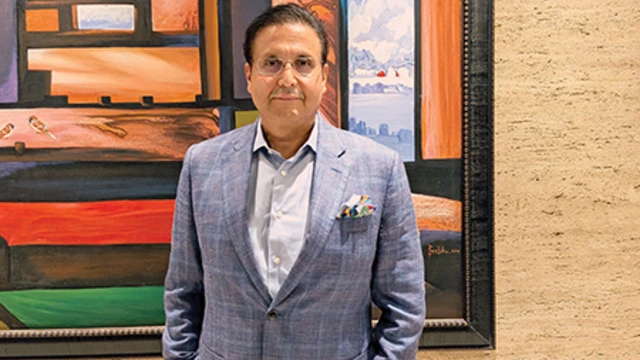
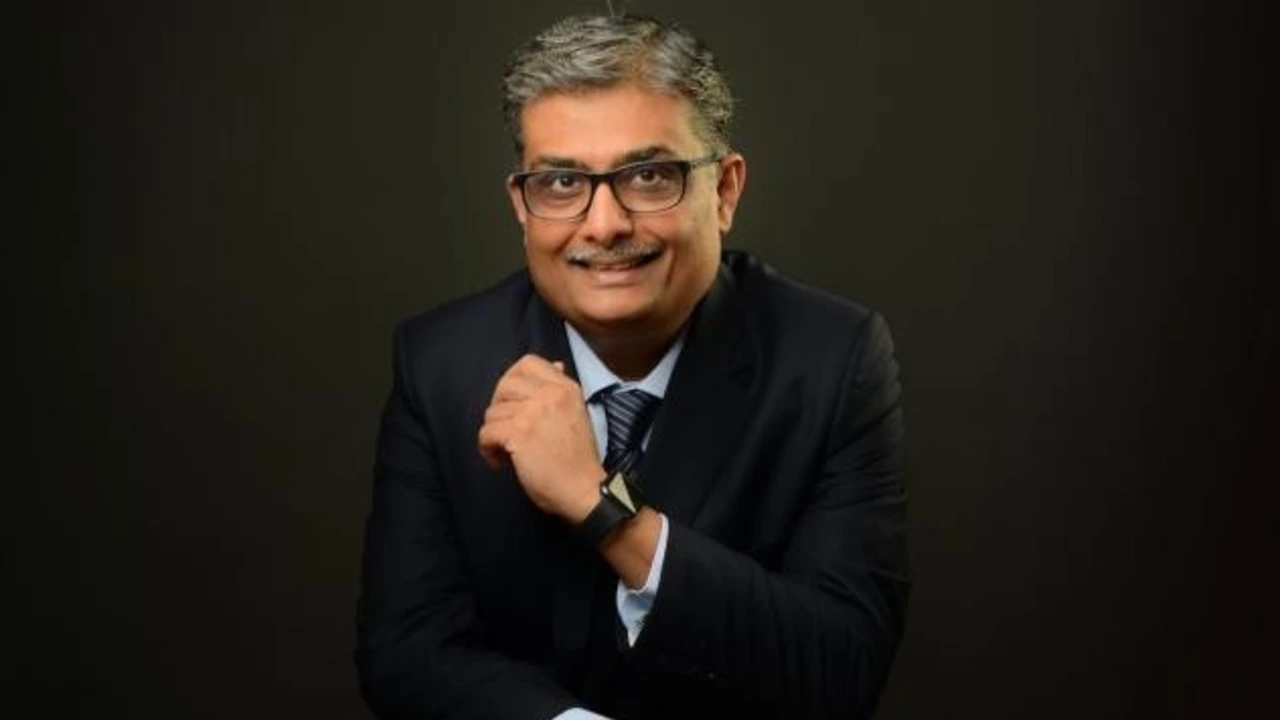
The author is chief executive officer, Conscient Infrastructure