
 Subscribe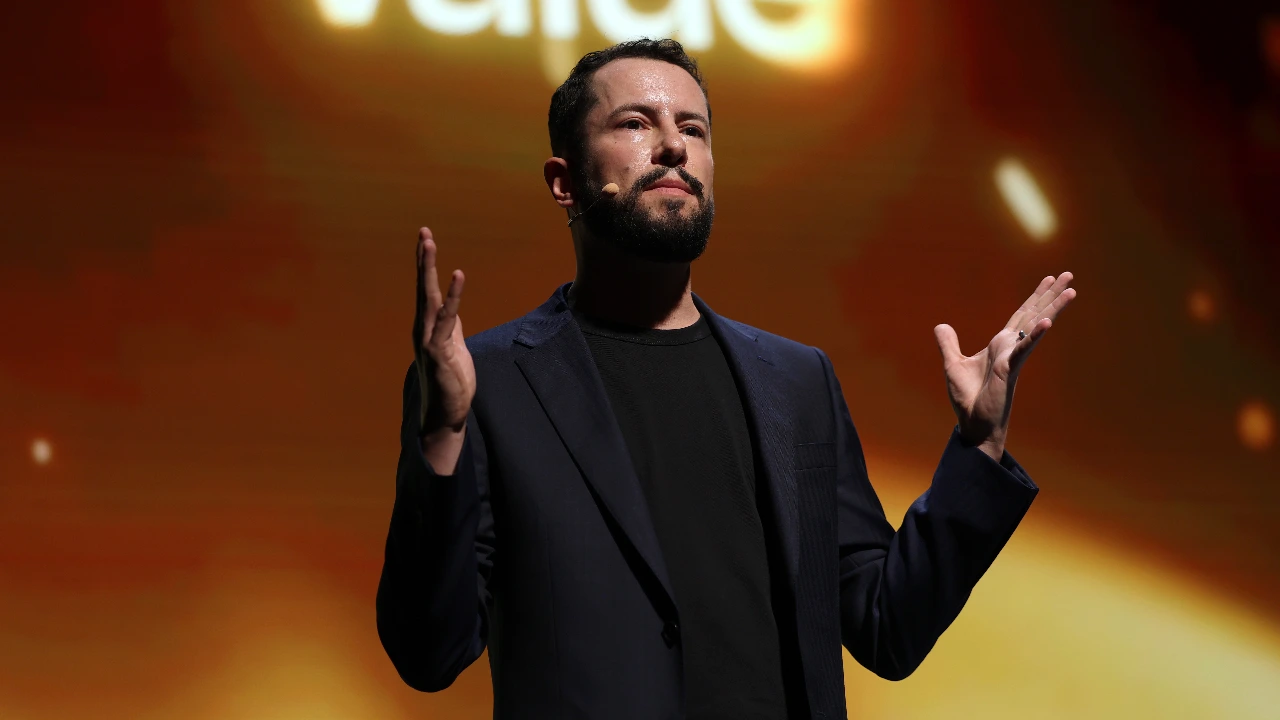
 Leandro Barreto
The third day of the Cannes Lions International Festival of Creativity 2026 kicked off with a talk by Leandro Barreto, CMO, Unilever, in which he explored how brands can build lasting cultural relevance and craft narratives that people choose to carry forward long after a campaign ends.
He opened by talking about the timeless role of storytelling in marketing.
“A marketer's job is to create something worth repeating. Long before platforms or algorithms, we gathered around the fire and told stories that lasted. They were the ones who travelled, from one person to another, from one voice to many. Thousands of years later, this has not changed. Meaning still moves through what people choose to pass on. However, everything else has changed. We have tools to create more stories than ever - infinite content, endless creation and instant distribution,” he stated.
According to Barreto, the true measure of a brand lies not in how much content it produces, but in whether its stories continue to be shared when the brand itself is absent.
He explained, “Somewhere along the way, value has been replaced by volume. As an industry, we've confused motion with meaning. We've become incredibly efficient in creating things that people ignore. As marketers, we have forgotten to ask one of the most fundamental questions of all - what is actually worth passing on? The real test of a brand is whether people keep telling its stories when it is not in the room. And most brands fail that test, most of what they create will never travel; not because the needle is not moving, but because it was not meaningful enough to be shared.”
Illustrating how Unilever has embedded this philosophy into its marketing strategy, Barreto highlighted a series of case studies from brands including Dove, Vaseline, and Hellmann's.
“At Unilever, we decided to stop asking what our brands want to say, and started asking what others want to say about our brands. That changed everything,” he said.
Barreto argued that people have always trusted recommendations from those around them more than messages from brands themselves.
“People listen to the recommendations of their communities. They trust what other people are doing. Long before platforms, influencers, and algorithms, we gathered around the fire. When a friend tells you about something they have bought, you listen differently than when a brand tells you to buy it. This is not a trend. This is how it has always been. So, it's not about going social-first, it's about going reality-first,” he noted.
He mentioned that for brands to be successful, they need three things: clear meaning, commitment to co-creation, and a system designed to back it up.
Citing Dove's Real Beauty campaign, Barreto reflected on what it takes for a brand to remain relevant over time.
He noted, “I have been working on Dove for 16 years. The Real Beauty was created in 2004. Since then, the world kept changing around it. Social media exploded, beauty standards shifted, culture moved, and every time people expected Dove to move with it - not because we told them, but because they cared. The meaning of real beauty was so clear that people thought it belonged to them, too. Clarity travels, confusion doesn't. Consistency is not repetition. It's a stewardship. When meaning travels, it finds people who need it the most.”
He then pointed to Dove's involvement in the Crown Act movement as an example of how a clear brand purpose can evolve into meaningful action. The initiative was launched to combat race-based hair discrimination, an issue that affects Black women and girls in schools and workplaces in the United States of America.
“Black women in America were discriminated against for wearing their natural hair. Little girls were kicked out of schools, and young professionals were told they were not polished enough to be hired. They didn't need a campaign. " We joined them to fight for the Crown Act and make it illegal to discriminate against people for their natural hair," he shared.
The decision, he added, reflected a broader choice brands often face. “Either play it safe or trust that people would carry the fire if you were brave enough to light it. When meaning is strong enough, people don't just support it, they carry it.”
Barreto then turned to Vaseline, a brand that, despite its century-long heritage, found new relevance by listening to its community.
“For 100 years, we thought we knew exactly what Vaseline was—a skincare brand that was simple, functional and reliable. Then we started listening, really listening,” he said.
From marathon runners protecting their skin before races to parents applying it to their children's faces every morning and healthcare workers recommending it for a variety of everyday needs, they noticed that the brand was being used by consumers in several different ways.
“Our first instinct was to stop it, stay in our lane and protect the brand. But that instinct was wrong. These creators weren't diluting the brand; they were expanding it into places we had never imagined. We gave more power to our communities and let them help shape the future of the brand. That campaign taught us that you should let people shape your brand,” he said.
Reflecting on what the industry is getting wrong, Barreto said, “We treat creators like a channel. We reduce them to distribution and media inventory, which they are not. They are the people who decide whether your brand will be alive, beyond your forms. They don't carry things because you pay them. They carry them because it means something to them, and they care.”
Barreto cited Hellmann's as another example of a brand that has earned cultural relevance by embracing how consumers interact with it. He referenced the viral moment when NFL quarterback Will Levis posted videos of himself adding mayonnaise to his coffee, prompting widespread reactions online.
“Hellman’s is a brand that knows exactly who it is. It goes where its people are and ignites thunder. When Will Levis started adding Hellmann's to his coffee on social media, the internet lost its mind. They were asking what this is. But we asked ourselves, what is he telling us about who we are? We signed him and formed a partnership with him to make Hellmann's scented cologne. Summing up the session, Barreto said the future of brand-building lies in shifting the focus from what brands want to say to what people want to carry forward,” he asserted.
For Barreto, the episode underscored a broader lesson about modern brand-building.
“We need to learn the difference between granting a voice and earning one. Three brands, three categories and one shift—from asking what we want to say to asking what others want to carry. This is not a philosophy, it's our operating model,” he said.
On a concluding note, Barreto stressed the importance of balance between poetry and planning. He urged the marketers to focus less on campaigns and more on creating ideas that endure.
“To get it right, we need to do two things: poetry and planning. Poetry is consumer intimacy, cultural relevance, and creative courage. Planning is assistance, the tools, and the technology that make a story. For instance, a scale without poetry is nothing. When I think about the brands we are building, I don't think about campaigns anymore. I think about what survives. Creators are torch bearers because the moment nobody cares, you aren’t fighting anymore. The brand might still be visible. You can still buy medium, and forge every platform, but something deeper has already disappeared which is people have stopped caring. And once that happens, no algorithm can save you,” he said.