

 Subscribe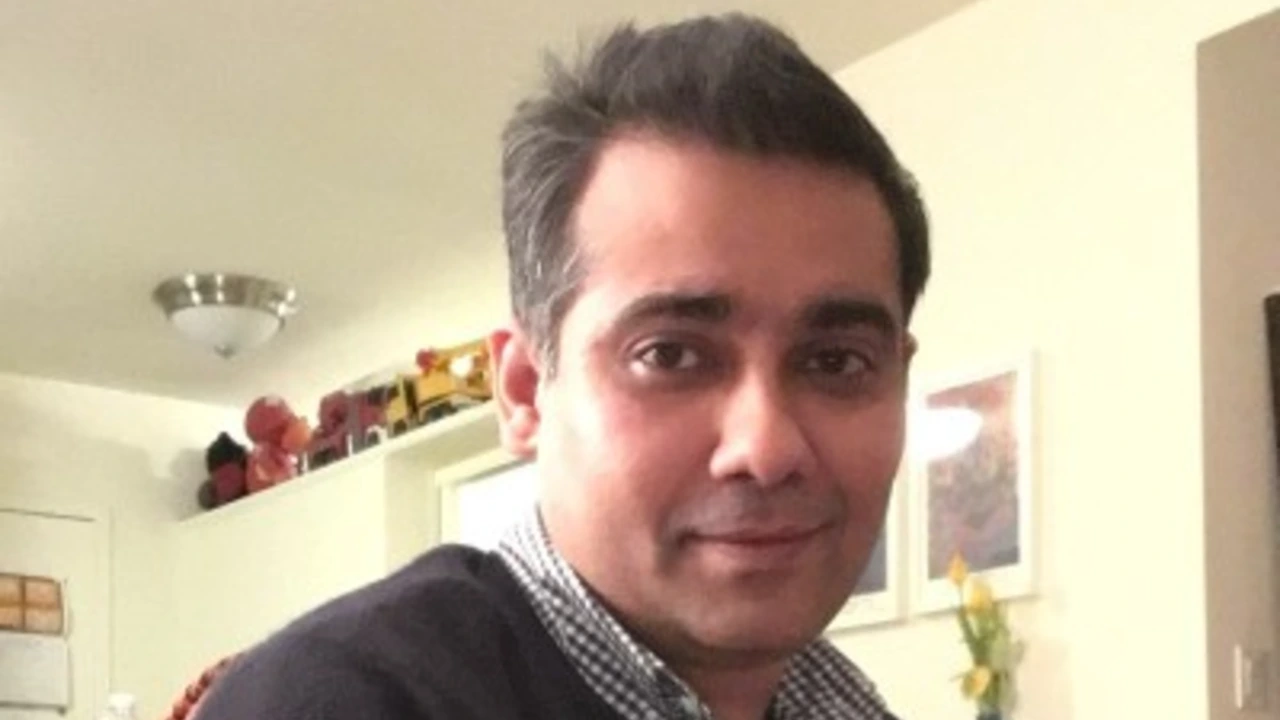
 Divya Pratap Mehta
We are living in interesting times. AI is indeed disrupting how some of marketing execution was shaped for many years.
While we read about brands like Bata outsourcing their creatives at scale with AI, one also wonders about the possible consumer response, views and human connection with the brands. And the trust and relationship with these brands and how will AI interventions shape it in the future?
Will these brands be seen as efficient or miserly? Plastic or authentic? Will they be seen as another brick in the wall or original? Will people trust their vital information with a bot on a call? How will agents earn consumer trust?
These are the many questions am sure we all are living with. Possibly also the ones deploying AI at scale.
AI-driven campaigns from the past have mostly seen a mixed response.
While some campaigns which used AI to create unique customer experiences enabled by the new technology - like the Cadbury Shah Rukh Khan 'My Ad' and Heinz AI Ketchup - created consumer delight, others like the McDonald’s Netherlands Christmas ad received a decisive negative response, due to which the company had to remove the ad and block comments. The Coca-Cola Christmas ads mostly received negative and polarised comments and an overall low score on ad liking. The Mango Teen Sunset Dream campaign received a negative response and also raised questions about the brand's human and social responsibility.
Cadbury and Heinz made AI part of an idea people could use or enjoy. Mango and McDonald’s triggered concerns about replacing people or losing human connection. Coca-Cola shows why you should test the actual audience before treating online criticism as a commercial verdict.
And while we all might have our take on the subject, I thought of exploring it from a scenario perspective and how brands should try to manoeuvre those scenarios.
The first thing, as marketing people, we need to keep in mind is that we are living in a highly polarised society, further pushed and polarised by AI, social media, opinions and algorithms.
So for every truth, there is a counter-truth and for every trend, there is a counter-trend.
On top of that, we are living in highly volatile times and in a society that is highly fragmented. Such a scenario usually leads to humans giving in to their tribal instincts. The only difference is that these could be mind-tribes and not necessarily tribes in the classical sense, protecting their beliefs while manoeuvring in this fragmented world.Therefore, especially mass brands will have to tread very carefully, adapting to change while protecting their core and manoeuvring multiple consumer clusters.
Trust is a code best built over time and therefore, at this moment, it rests heavily on human interaction. Our brain processes information and actions to build emotional safety and trust over a period of time. Subconsciously asking questions like: Do you mean well? Can you deliver? Will you behave consistently? Are you being honest? It’s a direct nervous system response and coding built over time which further strengthens the trust bond.
Having said that, we have seen technology actually being more efficient and transparent, as in the case of certain government processes, which has made an ordinary citizen's life more convenient and efficient, protecting them from corruption in many countries. The only difference, as a caveat, is that we still instilled trust in the institution and the people behind the technology and not in artificial clones of humans.
Trust, therefore, for me, is one of the most interesting areas to watch and how brands deploying AI at scale will earn it or lose it.Given the euphoria yet uncertainty, the FOMO yet mindfulness, the backlash yet adoption, I can see turbulent times ahead which will take their own time for the ripples to settle.
Add to it warnings by tech billionaires themselves. The investment vs. revenue and use-case gap. AI development could itself go through turbulent times, guided more by regulation and data security.
In my opinion, brands will still need human connection as the fundamental to establish or nurture trust, and brands that come across as authentic, original and consumer-focused will be the winners of the future.
On top of that, corporations will have to tread very carefully because the humans whom they want to replace are also their consumers at scale.
A responsible brand in such dynamic times should therefore try to play a balancing act and, most importantly, safeguard its trust and core as times unfold more clearly.
For brands wanting to safeguard their brand value, especially legacy brands that have created that value across decades, they need to focus on their core and balance between embracing change while retaining certain values that made them earn consumer trust.
For new-age disruptor brands, while the canvas is still wide, they could go all out on an all-AI strategy, which at this moment is still a high-risk, high-gain possibility. And only time will tell how such strategies unfold into success stories and failures.
Therefore, if one is looking at a medium-risk or lower-risk solution, brands will have to balance between more operational content and processes being automated while using humans as the primary vehicles to establish a relationship, build trust and build an emotional connection. From a neuroscience perspective, as we become more virtual, the need for human connection and creation will deepen even more.
Brands which do more holistic thinking, think of their customer journeys more sharply, and are mindful of where to deploy AI and where to leverage human talent will most possibly emerge sharper and stronger.
There is an even greater need for full-funnel thinking and to define marketing interventions in a manner where consumers don’t recognise where AI ends and humans start.
The ones who can do this seamlessly will be the darlings of both consumers and investors.
So as we see these dynamic times unfolding, at this moment for brands managing their value and trust, a balancing act might be their best strategy forward.
The author is the founder of Intertwined Brand Solutions.