
 Subscribe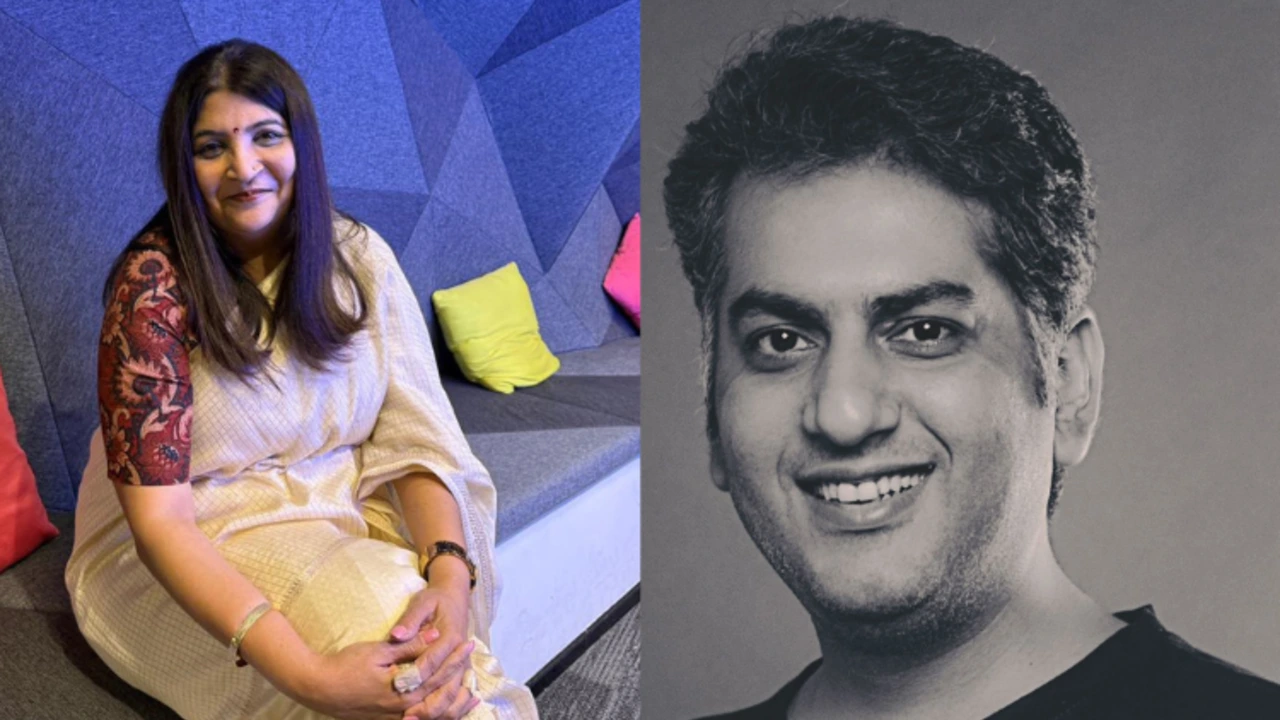
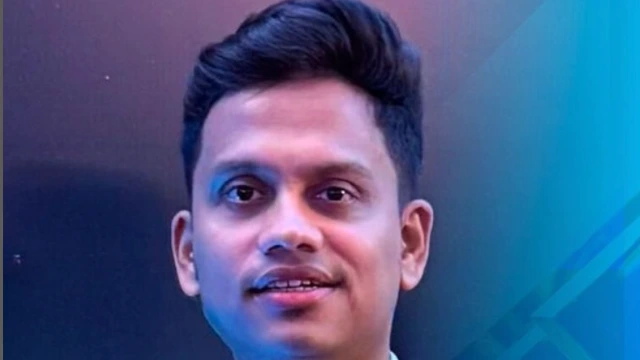
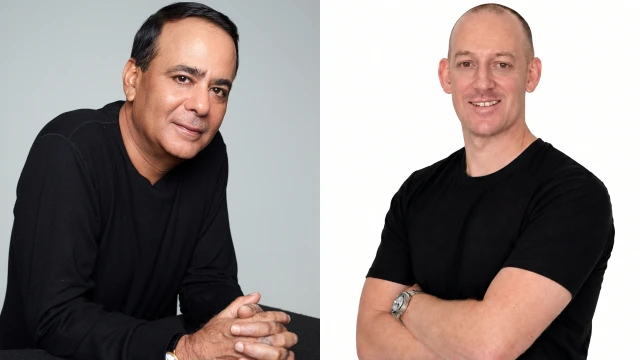
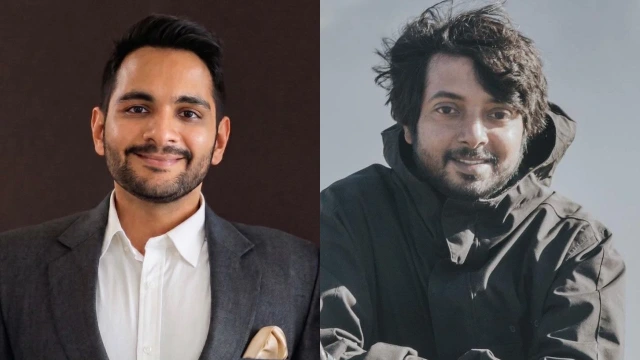
 Apoorva Bapna (left) and Raunaq Sikka
Artificial Intelligence is no longer knocking at advertising's door. It's already reshaping strategy, ideation, production, and media planning. As the industry races to integrate AI into its workflows, a larger question is emerging: are professionals simply learning new tools, or fundamentally rethinking how creativity is developed in an AI-powered era?
Against this backdrop, WPP Production has launched Hive, an AI-first talent programme. Through this, the network aims to equip young professionals with the skills, mindset, and governance frameworks needed to navigate a rapidly evolving industry. More than a technical training initiative, Hive aims to create a new generation of advertisers who view AI as a strategic collaborator from the briefing stage itself.
The eight-week programme combines real client challenges, legal and ethical AI education, and exposure to WPP Open, the company's AI ecosystem.
To learn more about Hive and the future of AI-first creativity, we spoke with Apoorva Bapna, leading transformation, WPP Production, and Raunaq Sikka, national creative director, WPP Production.
Edited excerpts:
Why did WPP Production decide this was the right time to launch Hive?
Bapna: Most agencies still view AI as an additive process. Hive shifts that mindset. Instead of asking where AI can be added as an efficiency tool, we want people to think AI-first from the moment they receive a problem. The goal is to build a young talent pool that approaches briefs, workflows, and business challenges through an AI-first lens. That benefits both agencies and brands by creating a future-ready talent pipeline.
Hive aims to create AI-first thinkers rather than simply train people on AI tools. What does true AI fluency look like?
Sikka: AI adoption so far has largely been superficial. Typically, a creative idea is developed first, and AI is brought in later. We believe the thinking process starts much earlier. AI should be part of the process from the briefing stage itself. It helps us think with AI as a partner rather than a tool. The work and clients we're dealing with today require much more than using AI at the end of the process. It's something one can strategise with, brainstorm with, and solve problems alongside.
Bapna: Most agencies today are still focused primarily on prompting. That's where AI adoption has largely stopped. Prompting is the entry point, but we're talking about something much broader. Hive is built around three fluencies: workflow transformation, business outcomes, and AI capability.
Traditional agencies have worked in a certain way for decades. How do they adapt to this new model?
Sikka: Traditionally, a brief moved from strategy to creative and then production. With AI, much of that happens in parallel. Clients expect speed and scale, but speed combined with precision is what really matters. We want people to understand that AI isn't just something used to write scripts or automate tasks. It can play a much bigger role throughout the process.
As AI-generated content scales, is there a risk that quality suffers?
Sikka: The demand for content has increased dramatically because media consumption has changed. Earlier, a brand might have needed 60 pieces of content. Today, they may need 600. AI production helps us meet those demands efficiently, particularly when adapting content across multiple channels. But human intervention remains critical for planning, strategy, quality, and craft. If one ignores those elements, they are simply creating content for the sake of content.
Bapna: Cultural intelligence remains crucial. AI can generate excellent outputs, but if they're not culturally nuanced, they won't resonate. Editorial judgment is equally important. AI can give a technically correct answer, but does it emotionally align with the brand? That's where human expertise comes in. Efficiency and creativity need to work together. AI delivers efficiency, but creativity remains fundamentally human.
How do you address concerns around originality, governance, and data security?
Sikka: Cultural intelligence and human judgment remain essential safeguards. AI doesn't inherently understand the nuances of local culture and context.
Bapna: Hive begins with a legal and governance module. Participants learn the do's and don'ts from day one. Within WPP, we also have WPP Open, a secure, brand-safe ecosystem that integrates approved AI tools. It allows us to protect both client data and intellectual property while still leveraging AI capabilities.
What would you say to young professionals entering the industry today regarding the adoption of AI?
Bapna: More than a skill shift, AI is a mindset shift. Once the mindset to adopt it is there, the skill sets will follow. Organisations also have a responsibility to create structured learning environments that help people adapt. One of the biggest fears people have is job displacement. What organisations can do is provide systems that help people remain relevant in this new environment.
Sikka: The young people I've spoken to aren't necessarily worried about being replaced. They're worried about becoming irrelevant. That's where Hive comes in. It helps them understand their future role. AI doesn't replace them; it expands their capabilities. Earlier, one was limited by the skills available within a team. Today, AI gives access to a much broader creative arsenal. The fluency and literacy around AI are what matter. Right now, very few institutions are teaching that in a structured way.
India is becoming a significant AI market. What gaps still need to be addressed?
Sikka: Structured AI education is the biggest gap. Many students know how to use tools like ChatGPT or Claude, but very few understand how to use them strategically and effectively. That's why we're investing in education.
Bapna: India is in a fantastic position. We have exceptional creative talent, enormous digital consumption, and incredible cultural diversity. India is uniquely positioned to build talent that serves not only Indian clients but global clients as well. Combined with AI, those strengths become even more powerful.
What makes Hive different from other AI learning initiatives in the market, and what are your long-term plans for the programme?
Bapna: Hive gives participants access to trainers, AI tools, and real client projects at no cost. More importantly, they're not just learning concepts; they're applying them to real business challenges. This first cohort is entirely in-person, but we see it as a pilot. Over time, we'd like to evolve Hive into a hybrid model that can reach talent across cities such as Bengaluru and Delhi. We're also exploring an internal version of the curriculum as interest within WPP continues to grow. Over the next 12-18 months, our goal is to create an organisation-wide AI learning ecosystem.