

 Subscribe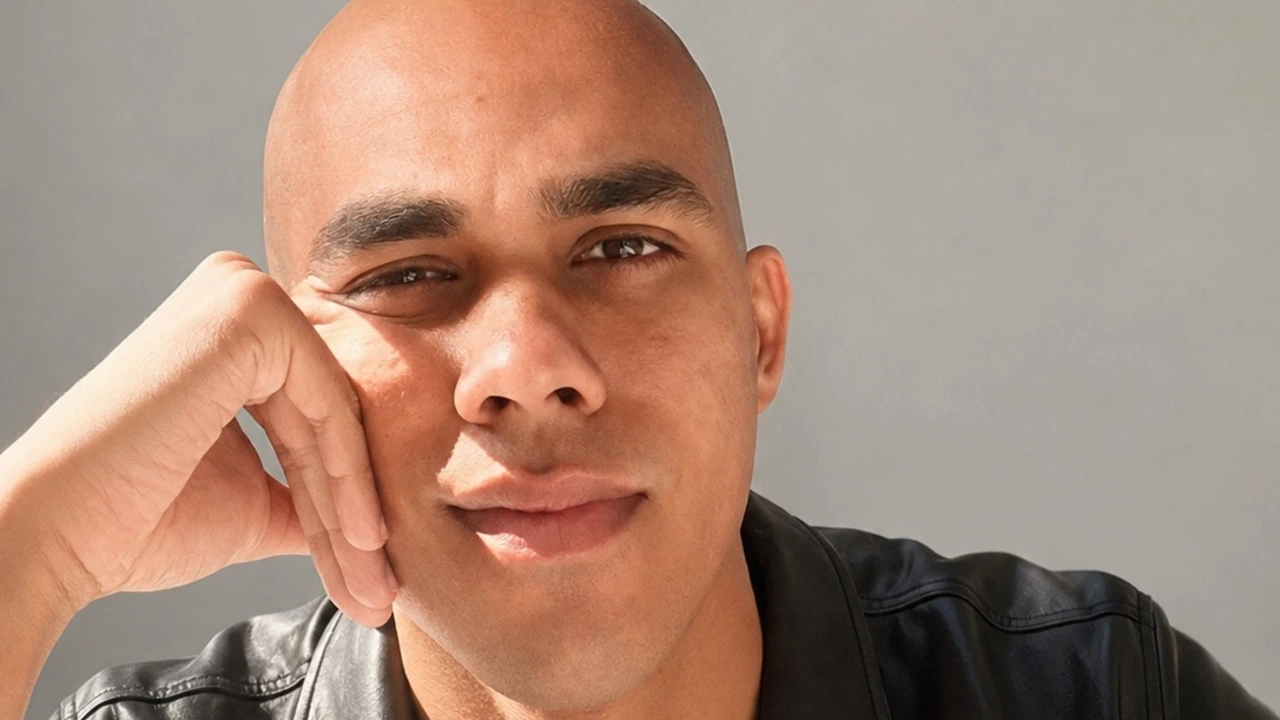
 Hayden Scott
There's a thing all the cool kids love to say: "Advertising is where memes come to die."
It's a good line. But it also contains an uncomfortable truth about our industry.
The internet moves at a speed that most agencies and organisations aren't designed for. A cultural moment can appear in the morning, become a meme by lunch and disappear by dinner. But the average campaign can take weeks to move from an initial thought to something a consumer actually sees.
The gap really, really matters.
If you think back, traditional approval cycles were built around the campaign as a relatively fixed object. Brief, ideas, internal review, client presentation, feedback, rework, approval, production. And then the eventual launch.
That model made sense when campaigns lived primarily in planned media environments and had a defined shelf life. Culture, however, operates differently. A creator can change the conversation overnight. A meme can mutate through thousands of versions before a brand team has even finished debating whether it is 'on brand.' A conversation can move from Instagram to WhatsApp to YouTube to the street, picking up new meanings along the way.
The interesting question, then, isn't simply how agencies can make ideas faster. It's whether the way we approve ideas is still fit for the environment we're making them for.
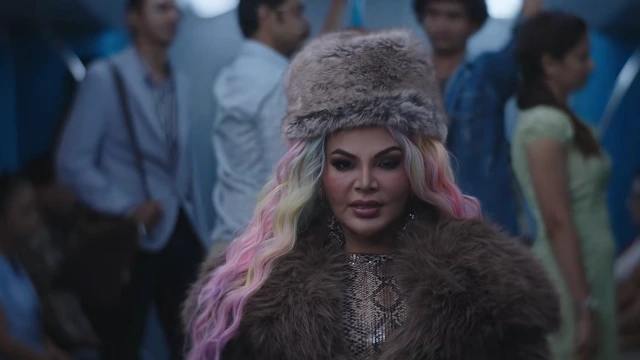
The KitKat Heist piece of work is a useful example. When a truck carrying thousands of KitKats disappeared in transit (for real!), the brand turned an unexpected logistics problem into a live cultural story, eventually inviting people to help track the missing chocolate.
What matters here isn't the cleverness of the execution. It's the fact that the idea had to remain open long enough to discover what it could become.
A conventional campaign process tends to ask: Do we approve this idea?
A culture-led process needs to ask: What could this idea become once people get hold of it?
That's a very different approval question.
It means clients and agencies need to stop thinking of approval as the moment of truth when an idea becomes finished. In many cases, it should be the moment when everyone agrees on the territory the team is allowed to explore.
The distinction is important because the people closest to culture are often the people furthest from the approval chain. The social team sees the meme. The creator sees the format. The community manager sees the conversation. The creative team sees the opportunity. By the time the idea reaches the seventh person in a presentation deck, the moment may have moved on.
This doesn't mean removing approvals. Brands have real legal, reputational and commercial risks to manage. It means deciding which decisions genuinely need to travel up the organisation and which can be made by the people closest to the work.
A few probable solutions come to mind. Clients and agencies could establish clear guardrails around brand, legal and reputational risk, then give smaller teams greater authority inside them. They could create rapid-response approval groups for cultural moments. They could build cultural listening into the creative process, so teams aren't discovering what's happening only when a brief lands.
Let’s talk about the brief then.
A good brief should define the problem, ambition and boundaries. It shouldn't prescribe every expression of the idea months before anyone knows how people will respond to it.
This places a greater burden on creatives too. Speed isn't a substitute for judgement. When there is less time to deliberate, teams need a stronger instinct for relevance, brand fit and restraint. The ability to say "this is our moment" is only useful if you also know when the answer is "leave it alone."
It also asks something of clients: trust.
Approving a finished idea offers a reassuring sense of control. Approving a framework and allowing the idea to evolve in response to culture requires a different relationship between client and agency.
The approval process used to protect the idea from uncertainty.
Increasingly, it needs to protect the brand while giving the idea room to respond to what is happening around it.
Culture will rarely wait for the next meeting.
The best creative organisations will know what needs a meeting, what needs a decision, and what simply needs to move.
The author is creative head (India), Virtue Asia.