
 Subscribe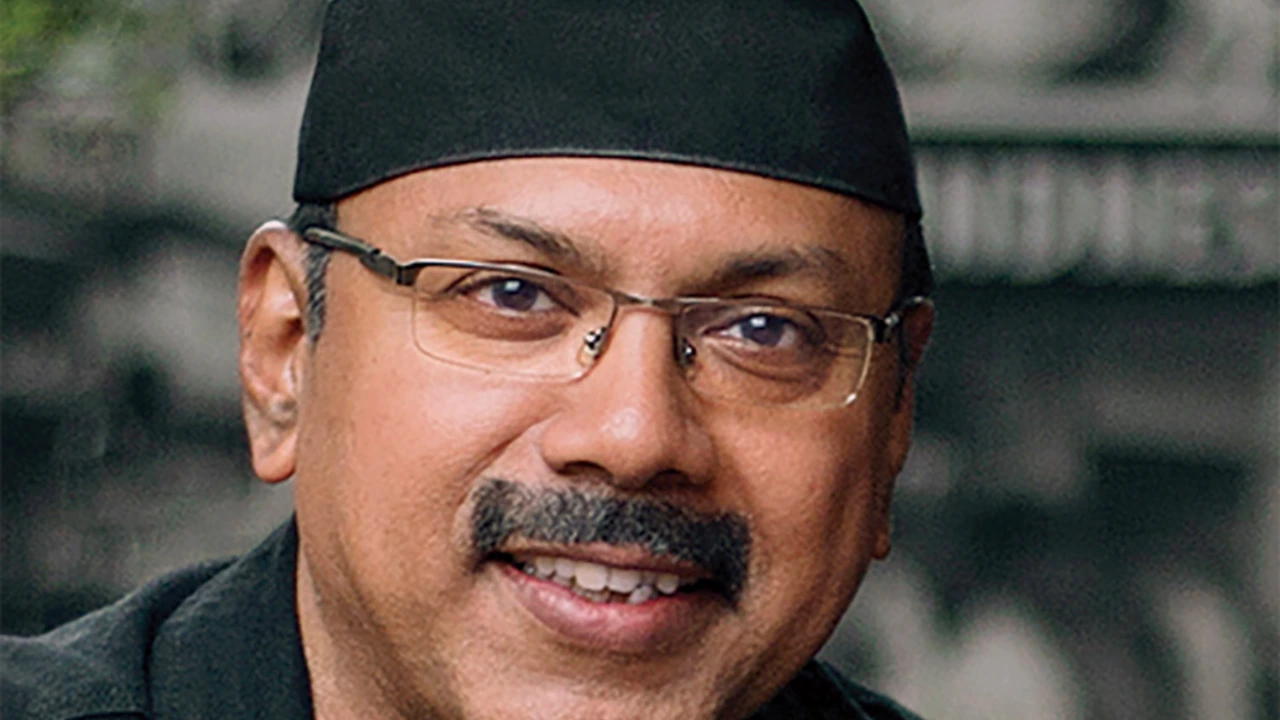
 Josy Paul
Every edition of detergent brand Ariel’s globally awarded and ongoing #ShareTheLoad ad campaign for India, which launched in 2015, was born of listening. With listening, came an internal awakening. The advertising followed and evolved into a continuing crusade, refreshed with new insights in each edition. The campaign continues to resonate because its creators have stayed the course, tuning into harsh realities of gender imbalance in households that the world needed to wake up to.
It was a young strategic planner who picked up some data from a news report while the team mulled over how Ariel could create a conversation around laundry. The report stated that while women spent over five hours doing household chores, the corresponding share of men was 18 minutes. It was a shocking data point that was quite believable because it was all around. It didn’t feel fair. Yet, no one was speaking about it. The team at BBDO India sensed that they were onto something.
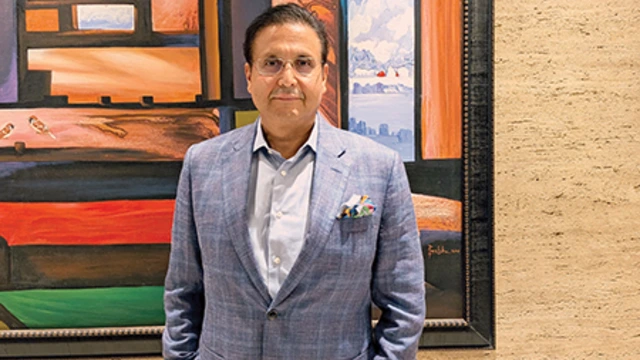
The agency’s chairperson and CCO Josy Paul asked a question that became the launch campaign and ignited a conversation across the world: “Is laundry only a woman’s job?”
Equality at home
“Nothing really starts from nothing,” underlines Paul, reminding us that both client and agency partner had been curious about a new style of work focused on conversations going beyond advertising. The approach had been tested successfully with campaigns like ‘Women Against Lazy Stubble’ for Gillette (circa 2010) and ‘Touch The Pickle’ for Whisper (2014).
“We realised that the new world was about conversations. Brands need to ignite, join or build a conversation,” he adds, crediting client P&G for sharing that vision and seeing the potential in urging men to #ShareTheLoad. To the client’s credit, it wasn’t the only creative approach presented by the agency.
“Everyone was talking about inequality outside the home. We ourselves presented other ideas. One of them was about the cost attached to homemakers, for instance. It was the genius of Sharat (Sharat Verma, then Associate Brand Director, Fabric Care, P&G India) that isolated this idea, saw its potential, and believed that the brand could stand for something bigger -- equality at home. Questioning if laundry is only a woman’s job became a cultural provocation. And #ShareTheLoad answered that question,” explains Paul.
He recalls, “As a marketer or advertiser, to see an idea spark a positive conversation is the greatest joy. Because of the consumer response and positive stories from around the world, we realised that we couldn’t let it go. It wasn’t a campaign anymore. It became a movement. People were moving the conversation forward. Our job was to lead it with them because they wanted the campaign to continue.”
The teams went back to listening, again, to what the CCO terms ‘confessions’ that churn our insights.
Dads share the load
The response did not just encourage the teams, it propelled them to build on the #ShareTheLoad platform that was evidently striking a chord not just in India but across the globe. Back home, it lifted the brand’s awareness and sales, reiterating that relevant purpose championed with authenticity can indeed be good for business. In Ariel’s case, the cause has been driven home in numerous ways since launch, delving into different facets of domestic inequality and its manifestations.
Arguably the most powerful film of the series was the one in 2016, going by how it broke the internet stirring intense emotions. Armed with the insight that two in three children in India felt that household chores was a mother’s job, the film featured a working woman bearing the brunt of also running her home all by herself. Her pained father apologises to her for setting a bad example. He commits to sharing the load, even if it’s late in the day, with his wife.
Paul reveals that he stopped a pre-production meeting for some other films (which were also good ideas), when the idea for #DadsShareTheLoad hit.
“It came from my personal story. My father never apologised for everything that happened. I wondered, what if a dad says sorry? What if we could rescript society? What if we could rescript homes? What if patriarchy gets vulnerable?” pondered the creative head.
The client asked for a day. Paul asked his creative colleague Hemant Shringy to write that letter from the dad to the daughter. He wrote it in 15 minutes and they read it out to Sharat Verma at the client’s end. Shimit Amin directed the film. The then Facebook COO Sheryl Sandberg was among the many voices who amplified it online. A senior P&G executive who was about to resign, is said to have stayed back with the company after seeing this advert.
From fathers to sons
“The first ad was a provocation. The second was a breakthrough. If the first spoke about a condition, the second was about our conditioning. We felt that maybe there are layers of conditioning we can dig out as emotional archaeologists. There were a lot of hidden truths that the world wasn’t talking about,” notes Paul.
The next big question that arose from listening, led to the next campaign. The hard truth was questioned once more: ‘Are we teaching our sons what we are teaching our daughters?’ It was time for sons to share the load.
“When you do the third one, it seals the deal that it’s no longer an ad campaign. It was a movement. People started telling us about their stories — and the comments section is where we get some of those stories. The rest are from ‘confessions’,” reveals the adman.
One such confession-story from a colleague in the agency’s admin team led to the next campaign. She said, “I sleep less than my husband.” It would have been hard to sleep peacefully without addressing that uncomfortable truth.
“We checked on others. That was the truth for a lot of people,” confesses Paul.
Real angst, reflected
The campaign then took an admitted slant to reflect the mood of women who had been through the Covid pandemic. In their listening, the teams sensed a little aggression — the women felt that they were doing more work than ever before.
“Women were generally angry. Till then we had a balanced campaign, but at that point, for the first time, we felt we needed a little aggression. The film we made was an outburst — a reflection of the time when women felt radical impatience,” reminisces Paul.
The campaign captured another telling facet of domestic inequality, featuring a husband who used to share the load in a hostel with his mates, but has relegated household chores to the wife post marriage. She had every reason to be enraged and that came through strongly in the film.
“The world was going through change. And because we shifted the tone, it got a lot of traction,” he adds. The validation of that campaign too was profound on social media.
Seeing the signs
A film about an old couple’s ‘Silent Separation’ tugged at the heartstrings once more. Like #DadsShareTheLoad, this was perhaps rendered more emotional because of the element of regret born of delayed realisation and attendant regret.
“Post the pandemic, we started having conversations with psychologists, marriage therapists and the like. These were very different from the typical focused group discussions with consumers. They told us about this ‘Silent Separation’,” notes Paul. It was another opportunity for the brand to play a healing role and one that aids course correction.
‘How strong is your home team?’ was yet another edition of #ShareTheLoad. When men learn to share the domestic load, women can pursue their careers without compromise. An obvious truth, not often discussed by brands, was evocatively expressed to make a compelling point.
Along the path, the teams have continuously tried to listen in to human voices and sentiments about equality at home, especially with household chores. Among such efforts was a focused group discussion featuring over a 100 domestic helpers, who were engaged in conversation about what they witnessed in the homes they worked in.
Several truths came tumbling out. As they reflected on what they saw, some of them also sensed that it was no different from what was happening in their own homes and lives. Some ended up crying, recalls Paul.
Perhaps an awakening for men in their homes too, to #ShareTheLoad.
This story is part of Laadli’s impact report @21, shared for online publication exclusively with Manifest.
Download the full report here.